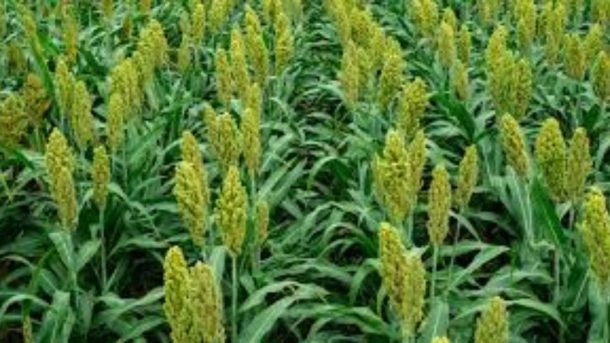
Sorghum crop is a member of the grass family that grows well in tropical and subtropical regions of the world. The sorghum plant is recognizable by its distinctive brown flower head. Sorghum is a tall plant and reaching heights up to 12 feet. Sorghum plant can be annual or perennial depending up on the variety.
ScientificFarmingWeb
What is the seed rate required to grow sorghum and how seed treatment is done?
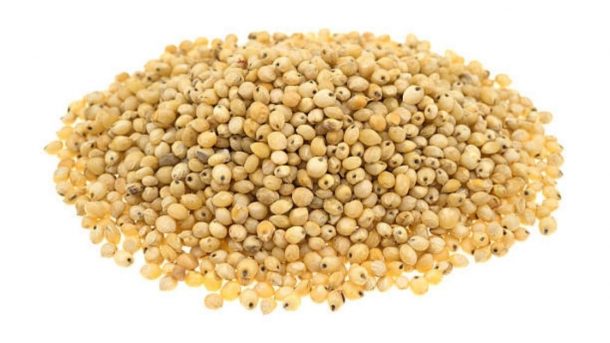
The required plant population can be obtained by using a seed rate of 8 -12 kg/ha. The seeds are sown about 3 to 4 cm deep on the furrows. The optimum seed rate for grain sorghum is 10 pounds of seed per acre assuming a seed size of 14,000 seeds per pound and 70% emergence. The seed size varies from about 13,000 to 16,000 seeds/pound depending on the hybrid. The seeding rate on a pound per acre basis must be decreased for smaller seed and increased for larger seed. The goal is to achieve about 1,00,000 plants per acre.
The seeds of sorghum are treated with the 300-mesh sulfur powder about 4 gm of sulfur per kg of seeds for controlling the smut disease. The sorghum seeds are soaked in 30% salt solution. Ergot affected sorghum seeds which floats are removed to avoid the incidence of ergot disease.
How spacing is maintained while growing sorghum?
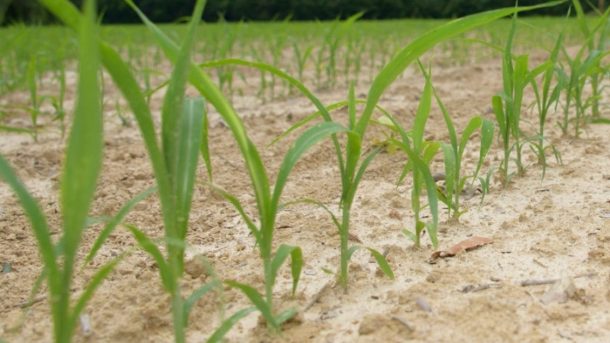
Sorghum can be planted on beds or flat ground. Sorghum row spacing ranges from about 6 to 40 inches apart or in twin rows in a variety of configurations. For higher yields will result from plantings in 20- or 30-inch rows compared to 40-inch rows or in twin rows compared to 40-inch rows or in twin rows spaced 12 to 14 inches apart on 38-to-40-inch beds. A spacing of 40 to 45 cm between the rows and 15 to 20 cm between the plants is quite satisfactory.
Which soil is suitable for sorghum cultivation?
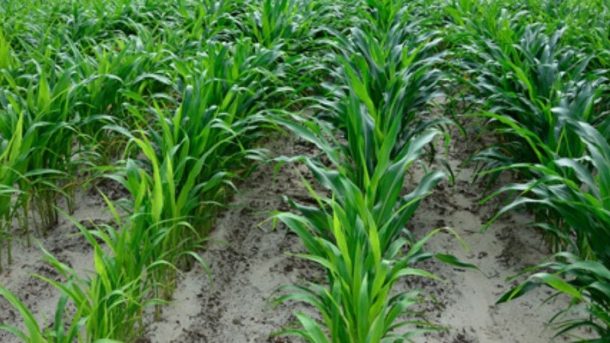
Sorghum is grown on low potential, shallow soils with high clay content, which usually are not suitable for the production of maize. Sorghum grows poorly on sandy soils, except where a heavily textured sub soil is present. Sorghum is more tolerant of alkaline salts than other grain crops and can be successfully cultivated on soil with a pH level between 5.5 to 8.5. It can tolerate short periods of water logging compared with maize. Soils with a clay percentage of between 10 % and 30% are optimal for sorghum farming.
How post harvest management is done in organic sorghum farming?
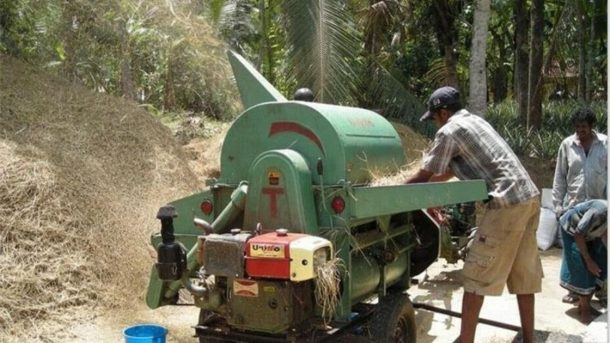
The cleaned grains must be dried in sun for about a week to bring the moisture content down to 13 to 15% for safe storage. Winnowing is done for separating the grains from husk. Threshing is done with the help of thresher or by beating the ear heads with a stick or by trampling bullocks. Then impurities should be removed.
When and how to harvest Sorghum?
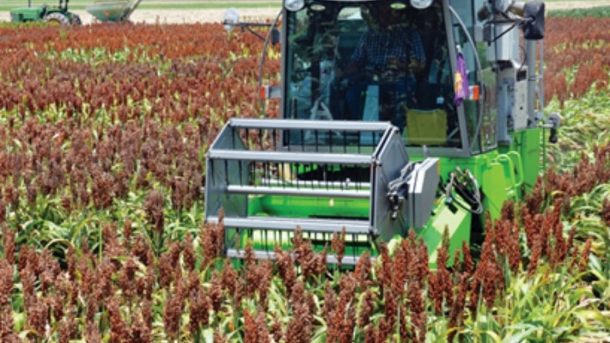
The best time for harvest is when grains become hard and contain less than 25 % moisture. Once the crop gets mature, harvest it immediately. For harvesting sickles are used. The plants are cut from near the ground level. After then stalks are tied into bundles of convenient sizes and stacked on the threshing floor. After 2 to 3 days remove ear heads from plants. In some cases, only ear heads are removed from the standing crop and collected on the threshing floor. After then they should be dried in sun for 3 to 4 days.
What is the seed rate and how sowing is done in organic sorghum farming?
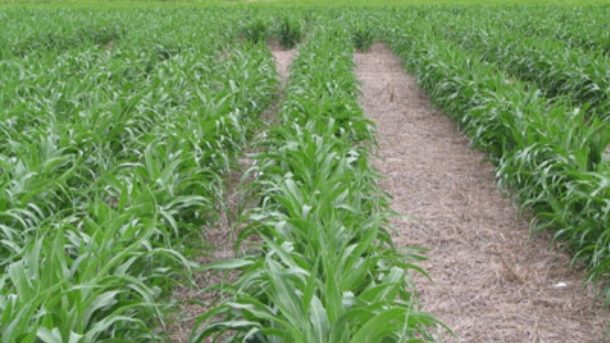
A seed rate of 5 to 6 kg seed per acre is sufficient to ensure a good stand of the crop. Sowing should be carried out by drilling by a row-to-row distance of 25 cm. Seed broadcasting should be avoided. The seed should be sowed at 3 to 4 cm depth. The seeds are sown in rows 45 cm apart with a plant-to-plant distance of 12 cm and at a depth of 3 to 4 cm. Sowing the seeds either by broadcasting pr in rows behind the plough.
How soil preparation is done for organic sorghum farming?
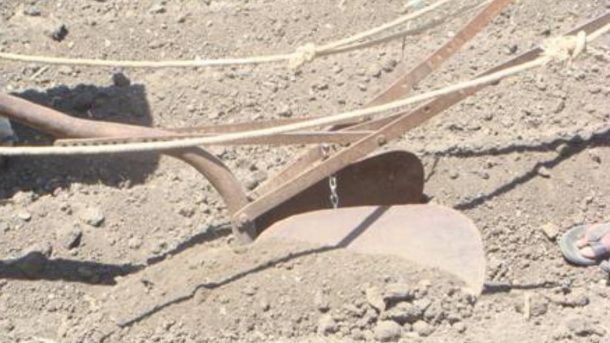
The various soil types namely vertisols, entisols, inceptisols or alfisols are suitable for growing sorghum. Vertisols with better cation exchange capacity, higher nutrient status and water retention support the good crop. The crop is grown successfully on soil with pH ranging from 5.5 to 8.5. It tolerates salinity and alkalinity. Under good climatic conditions, Sorghum does best on deep fertile soils. It is adapted to poor soils and can grow well on soil where many other crops would fail.
Soil fertility is a crucial factor in the success of Sorghum yield. Factoring in the soils crop history, what was planted in the previous year, is crucial, especially if the previous crop was a legume like alfalfa or soybeans. Knowing the manure application history can also help you understand your soils fertility. Soil nutrient testing is critical in determining the number of nutrients to add by fertilizing. Soil testing starts with proper soil sampling. If the precision application of fertilizer is an option, consider grid sampling. Once soil test results are available, it is important to understand how to interpret the results to best help in maintaining good soil health.
What are the benefits of Gir cow farming?
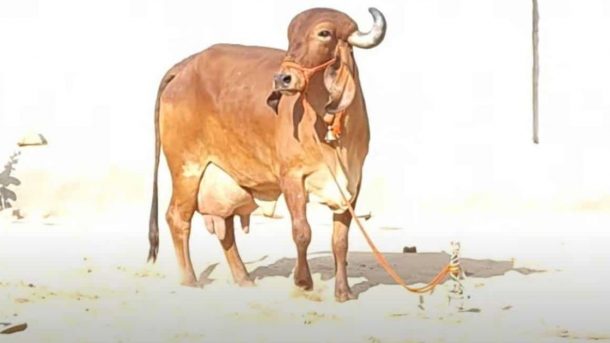
Gir cattle are considered as one of the largest dairy breeds in India, hence has more value. High milk production capacity. Also, the milk from the cows is considered to be of the premium quality due to the presence of A-2 beta casein protein substance. Low maintenance structure needed for farming Gir cows. The average lifespan of the cow is high (12 to 15 years), low mortality rate. Gir breed has high fertility rate and can produce up to 10 calves during its life span.
This cattle breed shows high resistance to diseases. This cow is adaptable to mechanical milking techniques. Natural mating is preferred while rearing this breed rather than artificial insemination techniques. The value of the milk in the market is high.
How feed management is done for Gir cow farming?
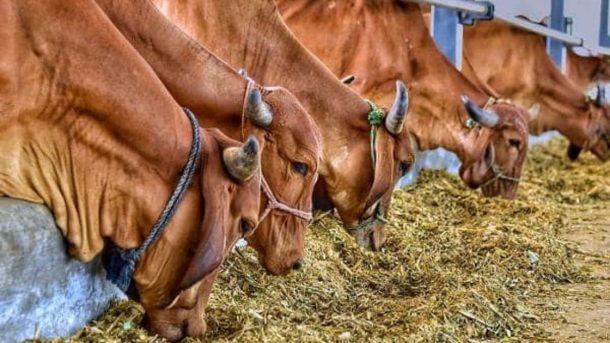
The food that is given to the cows is an important factor that promotes health, production and growth in the cows. The expenditure to feed the cows is almost 50% of the total cost of the farming. Open grazing is essential for reducing the cost of the feed and also provides required nourishment to the cows. Additionally, the Gir cow is fed with green jowar, Bajra straw, groundnut cake, dry fodder, cotton seed cake, soya bean husk, coconut and jaggery. The vegetables that are fed to the cattle include carrot, beetroot and drumsticks. There should be regular feeding routine, but overfeeding should be avoided. All the grains should be provided to the cow in the form of medium ground powder. The feed of the cow should be estimated according to its growing stage and condition such as feed for below 6 months cow, growing animals, lactating cow, bulls etc. Water should be provided in adequate quantity to the cattle at all times.