ScientificFarmingWeb

When and how harvesting of jasmine is done?

jasmine

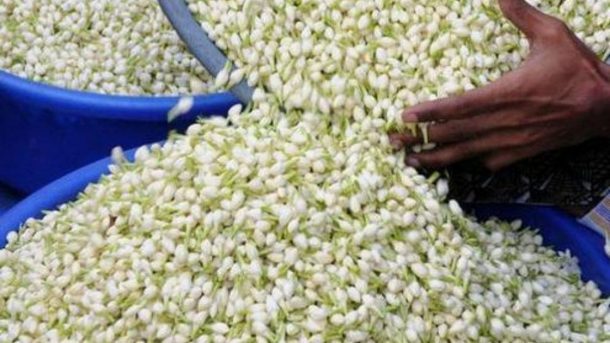
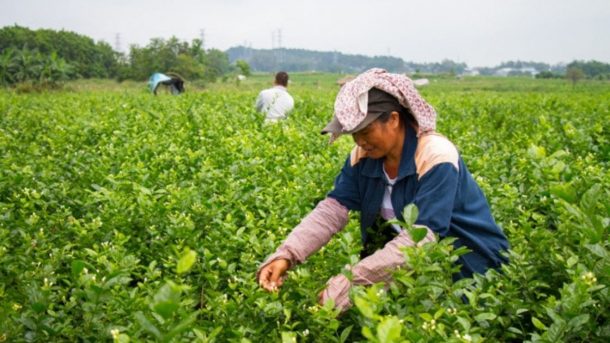
Once the plants reach a stage of bloom, you can then start to harvest the buds/flowers. For long distance marketing, pluck the buds rather than flowers. Morning hours are considered to be good time to harvest.

Jasmine gives an economic yield only from the third year and up to 12-15 years and then the yield starts declining. The stage of picking jasmine buds or flowers depends on the usage of the flowers or buds. Pluck the unopened flower buds in the morning than Picking of flowers after afternoon, it will considerably reduce quality and yield. Damage to flowers during harvest and transit will affect the shelf life of fresh flowers and concrete recovery.
How pruning is done in Jasmine plant?

Jasmine

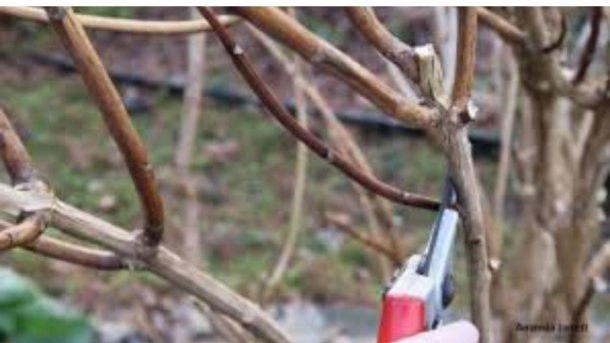
Pruning is an important activity and influences the plant growth, flower bud initiation, differentiation and ultimately the flower yield in jasmine farming. Irrigation must be stopped before pruning and plants are to be pruned to half their original length. All the leaves are stripped off after pruning. All the cut ends are smeared with a Bordeaux mixture to prevent entry of pathogens. Pruning is done at 45 cms from the ground level. Pruning is done during mid-December to mid-January results in the maximum number of branches and higher yield of flowers.

How weeding is done Jasmine Cultivation?

Jasmine

Generally, weeds compete with main crop for nutrients. Therefore, it is essential to remove the weeds at the appropriate time and keep jasmine garden weed free. After pruning, make sure to stir the soil from the main stem around the bushes to a depth of 15 cm. This process should be carried out every 2 to 3 months. Though manual weed control is effective, it is very expensive. Mulching also reduces the weed population considerably. Though chemical of weeds is not preferred, it is economical and efficient when compared to organic controls.

How salt plays a significant role in Livestock diet?

Livestock

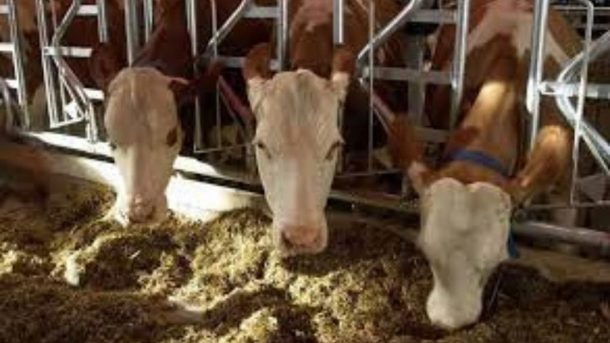
Sodium and chlorine are major electrolyte that contribute to the maintenance of cellular membrane electrochemical gradient also known as the membrane potential.

They are involved in the digestion, absorption and transportation of nutrients from the intestines into the bloodstream. They contribute to the maintenance of blood volume and pressure and they participate in the renin angiotensin-aldosterone system. It is apparent from this impressive list of functions that sodium and chlorine are absolutely essential for the organism and life itself.

How harvesting of Almond is done?

Almond

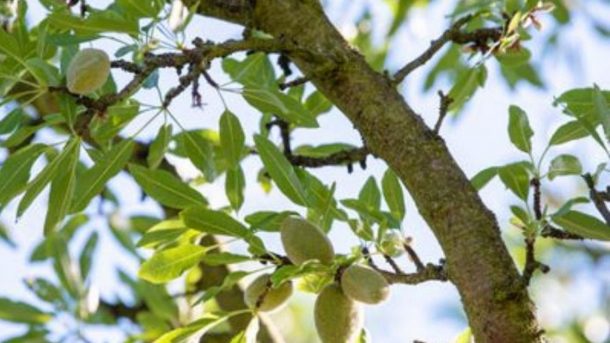
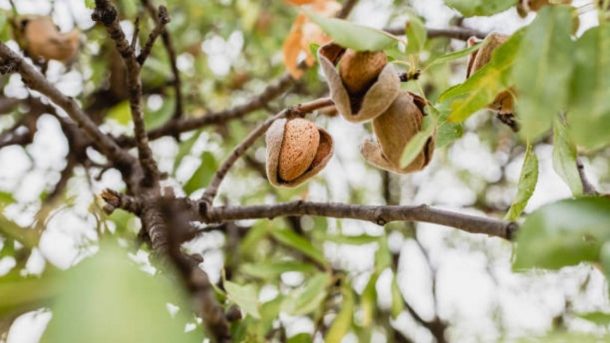
In Almond production, time of harvest depending on the location. Normally, they are ready for harvest when the hull color changes from green to yellowish with cracks or splitting at suture starting from the pedicel end. Under premature harvest conditions, the hulls remain on stick tights and it needs more energy to dislodge the nuts, resulting in damage to limbs in the form of wounds. Nuts must be placed at a shady place for drying and removing hulls. Almonds require 180 to 240 days for nuts to mature where in the nut has dried to minimum moisture content. To harvest the almond, shake the tree, and then separate the hulls from the nut. Freeze your almond nuts for 1 to 2weks to kill any residual worms and then store in plastic bags.

What are the conditions required for Almond seed germination?

Almond

Almond trees thrive in a climate that has mild, wet winters and hot, dry summers. Almond trees grow best on deep loam soil consisting of clay, sand, humus or other organic material. This soil allows for optimal permeability, water retention and root zone aeration. When preparing to plant a new Almond orchard, growers cultivate the soil to loosen clods and grade the orchard. It is common practice to use a chisel attachment to dig deep down and break up any hardpan below the surface of the soil to help newly planted trees establish a deep root system.

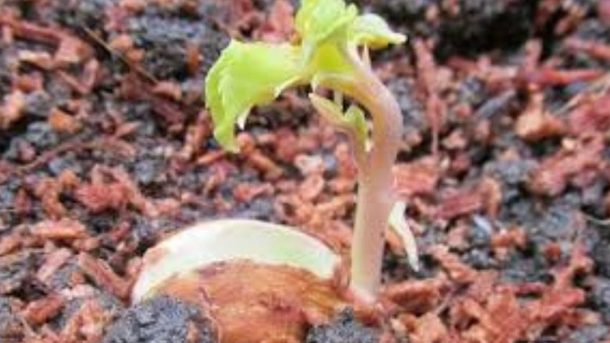
Temperature is a major factor affecting the germination rate. The temperature range between 2 °C and 7°C is generally the most efficient. Seeds from Almond and other Rosaceae species need a cold treatment under humid conditions to overcome the dormancy and promote their germination.

What are the causes of Soil degradation?

Soil

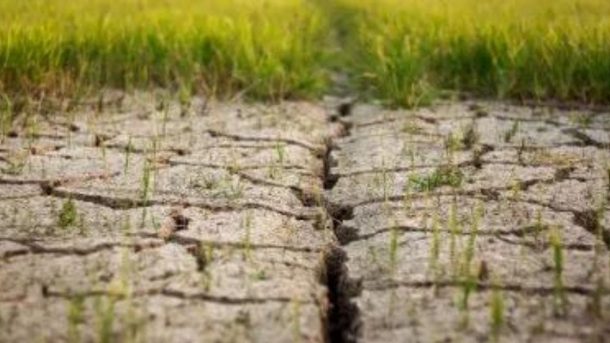
The degradation of soil may be caused by the below factors:

Physical factors such as loss of fertile topsoil due to water or wind erosion.

Chemical factors such as the depletion of nutrients or the toxicity due to acidity or alkalinity or waterlogging.

Biological factors affect the micro flora and reduce the microbial activity of the soil. These biological factors reduce the yield. 

What is the irrigation requirement for Organic chilli cultivation?

chilli

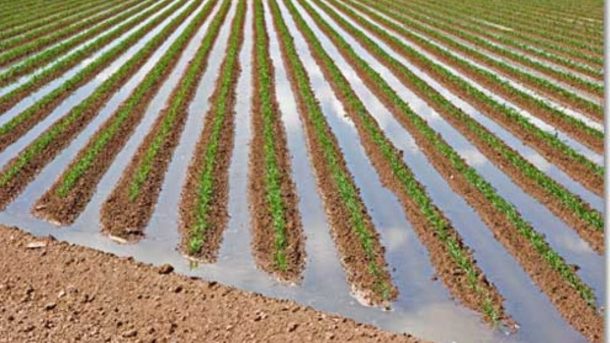
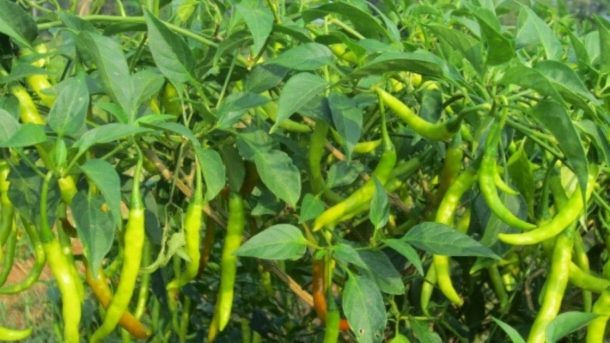
Chilli crop can’t withstand heavy moisture so apply irrigation only when needed. Heavy irrigation causes lanky vegetative growth and chilli flower drop. Interval of irrigation mainly depends on soil and climatic condition. If the chili plant show dropping at 4 pm, it is an indication of plant needed irrigation. Flowering and fruit development are the most critical stages of water requirement. Stagnation of water must not be allowed in nursery and field as it causes fungal infection.

What is the climate required for Chilli cultivation?

climate

Chilli crop require a warm and humid climate for its best growth and dry weather during the maturation of fruits. A temperature ranging from 20 to 25°C is ideal for chilli. In chilli fruit development adversely affected at temperature of about 37°C or more. Heavy rainfall leads to poor fruit set and in association with high humidity leads to rotting of chilli fruits. High temperature and low relative humidity increase the transpiration during flowering resulting in shedding of buds, flowers and small fruits.