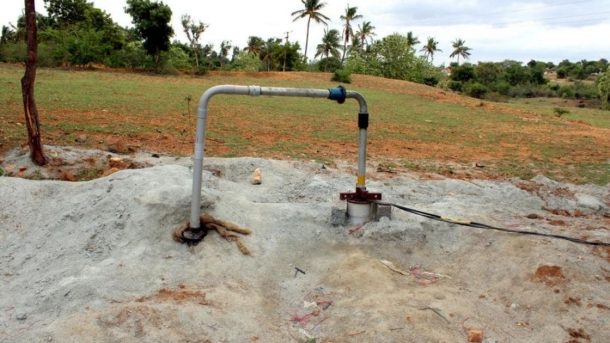
The minimum distance to be maintained between two borewells is at least 250-350m. If not, the MRO will never sanction the permission to dig the bore wells.
ScientificFarmingWeb
How Rainwater Harvesting solves the water shortage?
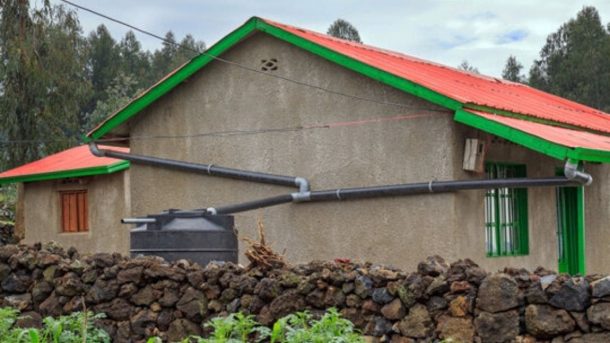
Harvesting and collection of rainwater is a proper method that can be used to address the problem of the water crisis in various parts of the world. This water conservation technique can be used to put forward a remarkable solution in areas where there is enough rainfall but not enough supply of groundwater.
Bangalore is a good example where rainwater harvesting can become very beneficial. Bangalore is an area with a very high population and an area that also has to deal with water shortages. With these in mind, practicing water conservation methods such as rain water harvesting is a perfect way to ensures an increased supply of water.
What is Rainwater Harvesting?
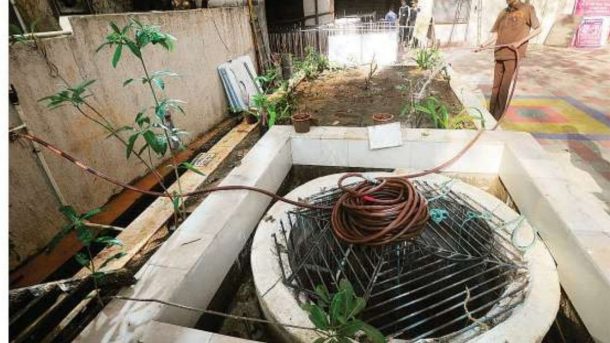
Rain water Harvesting is a simple technique by which rainfall is collected for future usage. The collected rainwater may be stored, utilized in dissimilar ways or directly used for recharge purposes. With depleting groundwater level fluctuating climate conditions. RWH can go a long method to help mitigate these effects. Capturing the rainwater can help recharge local aquifers, reduce urban flooding & most importantly, ensure water availability in water scarce zones. While the term seems to have picked up greater visibility in the last few years, it was and is even today a traditional practice followed in rural India. Some ancient rainwater harvesting technique followed in India includes madakas, ahar Pynes, surangas and many more.
How Pest, Weed and fertility management is done in Conservation agriculture?
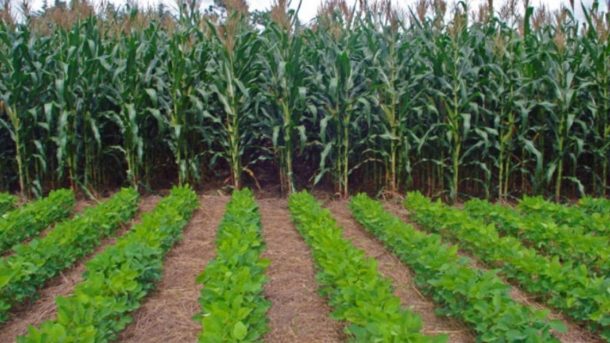
In any agricultural system pest, weed and fertility management are critical issues. Any limitation related to pest, weed and soil fertility should be assessed and addressed before implementing conservation agriculture.
In case of a lack of resources, some solutions have been found by farmers. They are weed control, crop rotations, use of manure and other crops for soil fertility etc. Combining conservation with organic agriculture has been adopted by small scale farmers.
How does Conservation agriculture differ from climate smart agriculture?
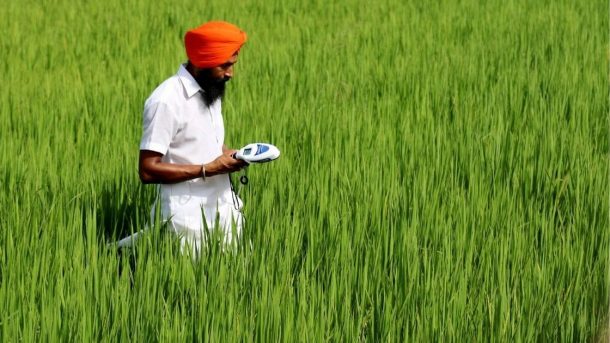
Both conservation and climate smart agriculture are similar, their purposes are different. These agriculture systems aim to have a positive effect on the environment and sustainably intensify small holder farming systems. It helps farmers to adapt to and increase crop yields despite climate risks.
Climate smart agriculture aims to adapt to and mitigate the effects of climate conditions change by sequestering soil carbon and reducing greenhouse gas emissions, and finally increase productivity and profitability of farming systems to ensure farmers livelihoods in a changing climate. Conservation agriculture can be considered climate smart as they deliver on the objectives of climate smart agriculture.
What is Diversified crop rotation?
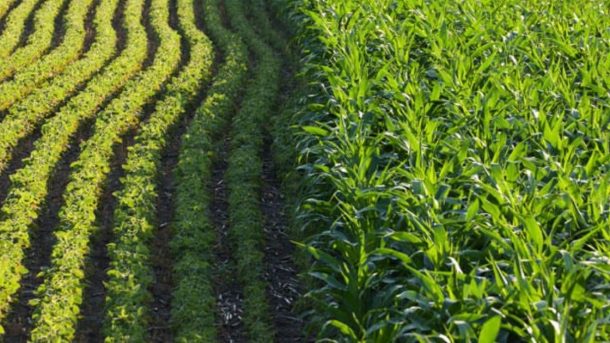
Diversified crop rotation is required for providing food for the soil microorganisms along with nutrients utilization by the crops in rotation which are present in different soil layers due to leaching. It can be attained by rotating deep rooted crops with shallow rooted crops. The crop rotations which mainly involve legumes are beneficial for biological nitrogen fixation, reducing pest infestation by disruption of the pest’s life cycle and also improving biodiversity.
What is Minimum mechanical soil disturbance?
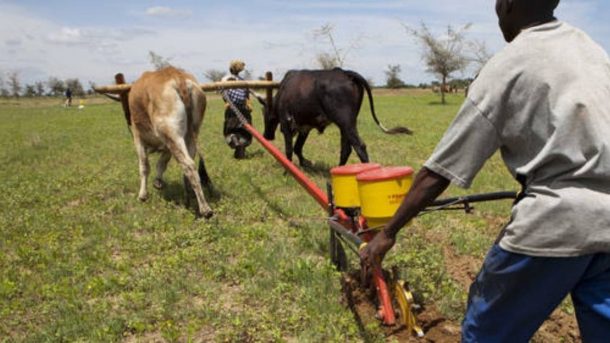
Generally, soil biological activities are supposed to produce stable soil aggregates as well as variant sizes of pores which allows proper aeration and infiltration of water. With mechanical soil disturbance by tillage or cultivation practices, the biological soil structuring processes fade away. Minimum soil disturbances are responsible for maintaining the optimum composition of respiration gases, appropriate porosity for soil water movement, and germination of weed seeds. The minimum mechanical soil disturbances indicate permanent low soil disturbance, no tillage, and then involves no till direct seeding along with no till weeding.
When to fertilize green gram crop?
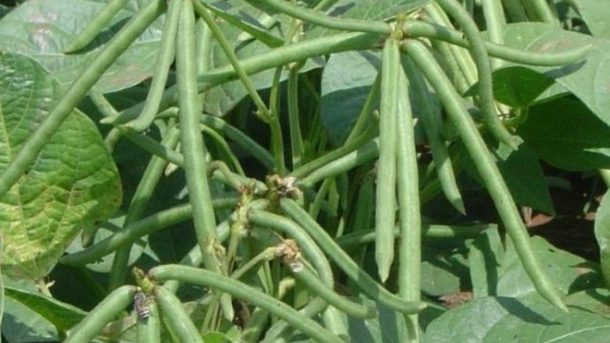
If the soil is alluvial and is rich in organic matter and nutrients, The crop is sown as a normal crop in early summer and fertilizer is applied as recommended for the irrigated crop. In addition, nitrogen top dressing is done with urea with an additional dose of 25 to 30 kg. Since pulses are accustomed to indefinite growth and produce new flushes, the top dressing will be done 40-45 days after sowing.
How boron plays a significant role in the yield of coffee?
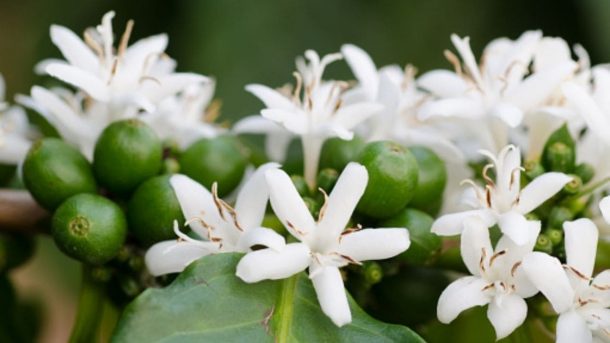
Boron promotes shoot growth, facilitates maximum flower and fruit arrangement. These are essential nutrients for the crop. Boron plays an important role in the process and these are; increases root growth, cell division, cell wall formation and excretion of primary and secondary nutrients, water excretion, provides resistance to plant diseases and thickens cell wall therefore white reduces the incidence of stem borer attacks. Boron is a condition for node growth, fruit size, flowering, fruit set and resistance to drought.
How Magnesium, Sulfur and other elements plays an important role in coffee production?
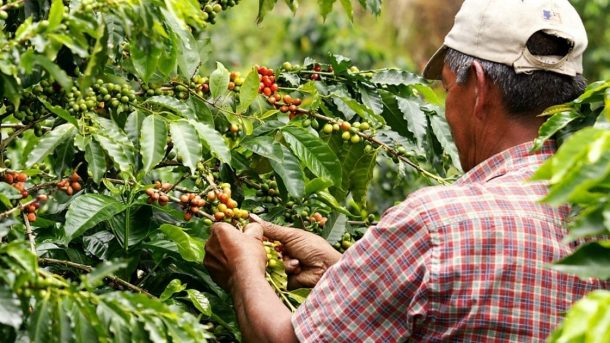
Magnesium and Sulfur have a positive effect on Coffee production and their supply should not be limited to the whole season. Although sulfur is known as a secondary nutrient for plants, studies have shown that Coffee needs as much as phosphorous and is considered an important nutrient along with N, P and k. A soil survey on the status of sulfur on Coffee plantations have been shown that the depletion of sulfur available in the soil is increasing rapidly. For maximum Coffee production, sulfur is an essential nutrient and also essential for maintaining and improving quality. Clean Arabica Coffee requires about 15 to 20 kg sulfur for each metric ton. While Robusta Coffee requires 20 to 25 kg of sulfur. Sulfur can be applied in the form of ammonium sulfate, Calcium or magnesium sulfate, elemental sulfur, potassium sulfate or single super phosphate preferably in the post- monsoon period.