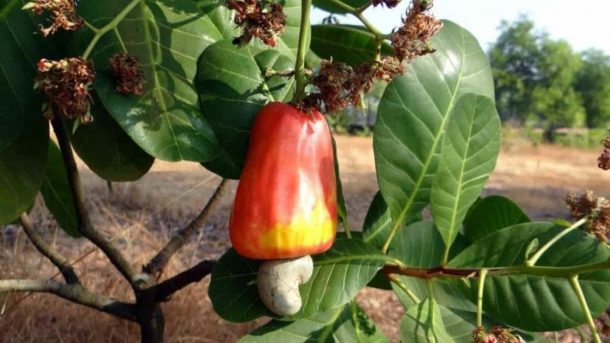
Immediately after the cessation of heavy rains is the ideal time for fertilizer application in the cashew crop. Though, the fertilizers should be applied in a circular trench along the drip line. Before applying fertilizers, make sure that the soil has adequate moisture. Fertilizers in Cashew should be applied after pre-monsoon (May-June) and post monsoon (September- October) should be fed in two divided doses. It should be done during the post-monsoon season (September- October) when there is adequate moisture in the soil. In sandy and laterites soils, fertilizer should be applied in a circular trench in soils of sloppy land and areas with high rainfall. In red loamy soils and low rainfed areas. Fertilizer should be applied in round bands.
ScientificFarmingWeb
How often does aloe Vera need watering?
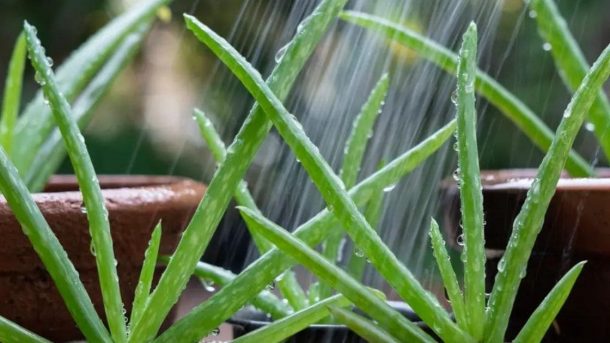
Aloe Vera plants need to be watered deeply, but care should be taken so that the soil is allowed to dry before the next watering session. Watering once in three weeks is a better option if you have Aloe Vera in your kitchen garden. For commercial cultivation of Aloe Vera, 4 to 6 irrigation cycles should be sufficient during the entire growing process, i.e., a plant requires 150 ml of water per month so as to produce a leaf of 1 kg weight.
Which is the best soil for Aloe Vera plants?
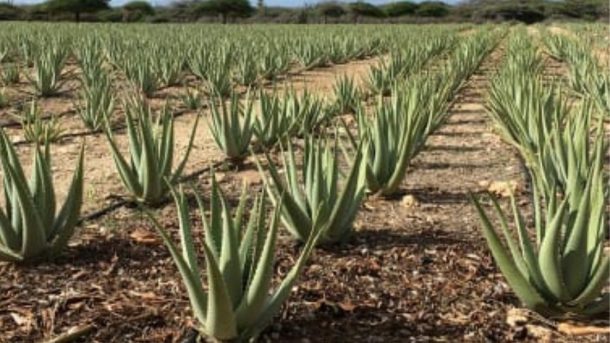
Aloe Vera grows best on loamy, light, coastal sandy and black cotton soil. It needs soil with a pH of 7 to 8.5. Since it is a succulent plant, it can grow in dry conditions as well.
Can you grow Aloe Vera from seed?
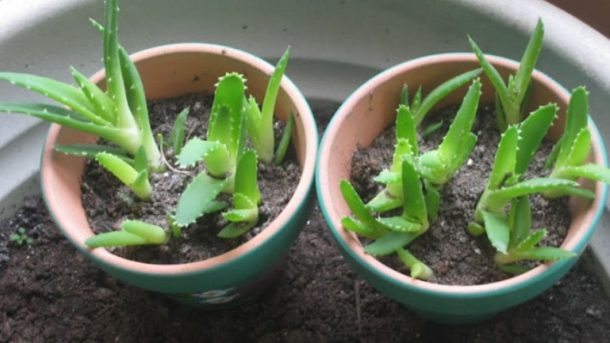
Yes, Aloe Vera can be grown from seeds for your garden, but on a commercial level, this method is not advisable because Aloe Vera seeds are produced only when the plants flower and it takes more than four or five years to produce reliable seeds. For the garden, peat and sand mixed with the soil make a well drained medium for sowing the seeds. The soil should be lightly dampened before spreading the seeds with 1 inch spacing. Plastic sheets can be covered over the pots to maintain humidity and facilitate germination.
What should be done if the ammonia or nitrites or nitrate levels are high within the aquaponic system?
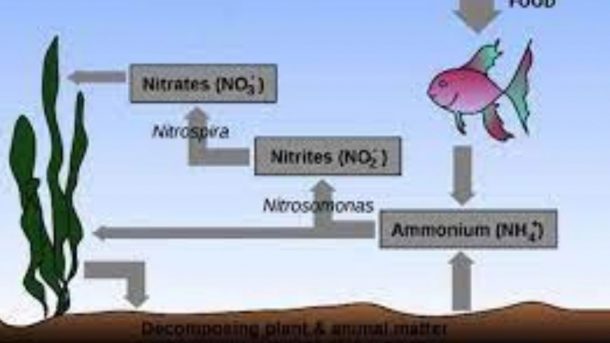
When the levels of ammonia or nitrites are high, then the fish should not be fed, remove the uneaten feed from the tank, pump the tank water for some days and lastly one could salt the system or tank to keep the system balanced.
How one can control pests in aquaponic systems?
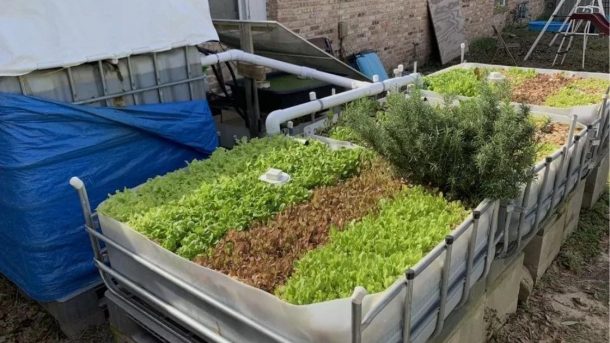
It is considered that Aquaponic systems do not use chemicals for pest and disease control due to the sensitivity of the system. So, the basic ides of pest or disease control in Aquaponics refers to the prevention of these things. Some general management techniques that can keep the Aquaponic farm healthy are biosecurity measures, periodic monitoring and scouting, installing insect screens inside the farm, keeping the farm clean and tidy by removing all the dead and dry matter etc. If by any chance pest or the disease occur within the system, then identify the proper cause and the type of pest or disease and apply suitable biological control. Allowing beneficial insects can be a possible biological control.
How do you control the water temperature in the Aquaponics system?
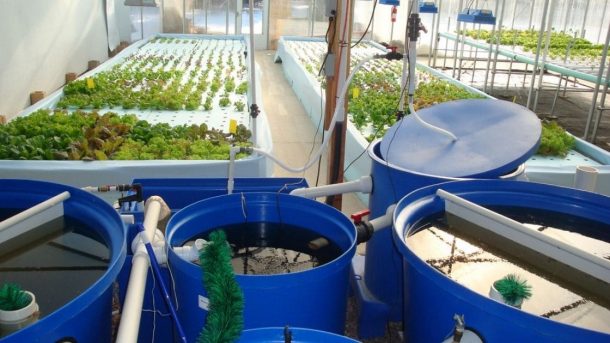
In places with cool temperatures, water or tank heaters are used to control the water temperature in the fish tank. The size of the system defines the no. of heaters required. In warmer areas the tank or system should be planned in a shady place, the lid of the tank should be kept open and aerated. Cooling the water in warm locations needs extra electricity and is difficult. The choice of fish should be proper in such places.
What are the major components of an Aquaponic system and why are they important?
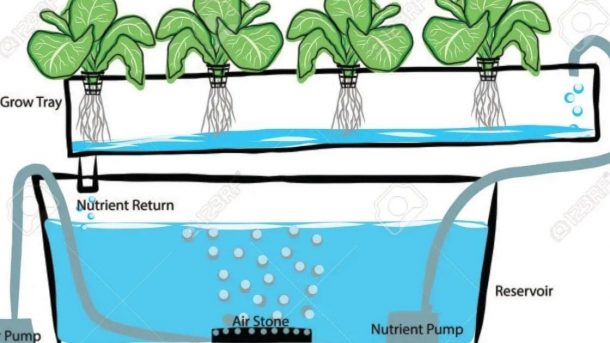
There are three major components of an aquaponic system and they are plants, fish and bacteria. They are considered important because it is due to these components that the entire system functions. The fish grow and live because the bacteria present in the media removes the toxins from the wastewater and supplies it to the plants, which in turn absorb the required nutrients and filter the water to be reused by the fish in the tank.
What is the fish to plant ratio in Aquaponics?
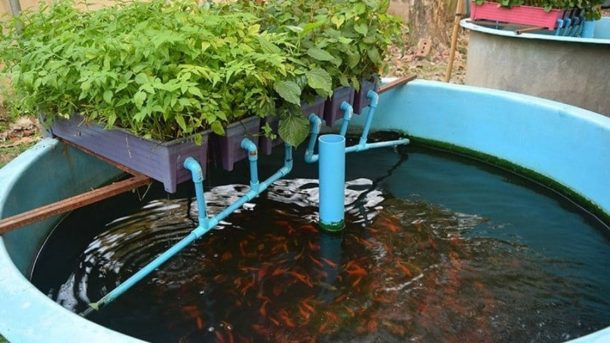
Generally, the fish to plant ratio defines the feeding rate ratio of the fish so as to supply enough nutrients to the plants in the hydroponic system. It is estimated that to develop a hydroponic area of 16.7 Sq. m, the fish should be fed with 1000g of feed each day so that the feeding rate ratio is 60 g/sq.mt/day. The feeding rate ratio depends on multiple factors like the hydroponic system, plants behind cultivated, chemical composition of water, solid waste loss of filtration etc.
Does the guava tree need a lot of water?
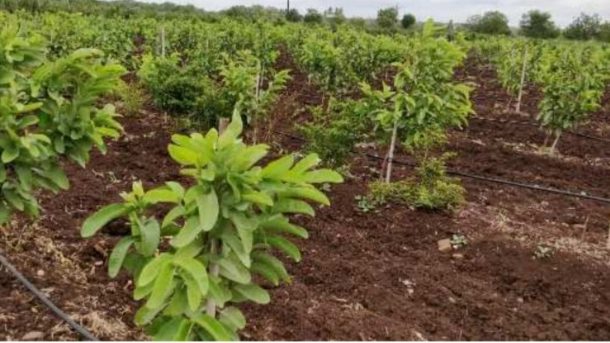
Guava trees prefer full sun. Guavas have survived dry summers with no water, though they do best with regular deep watering. The ground must be allowed to dry to a depth of several inches before watering again. Lack of moisture will delay bloom and cause the guava fruit to drop.