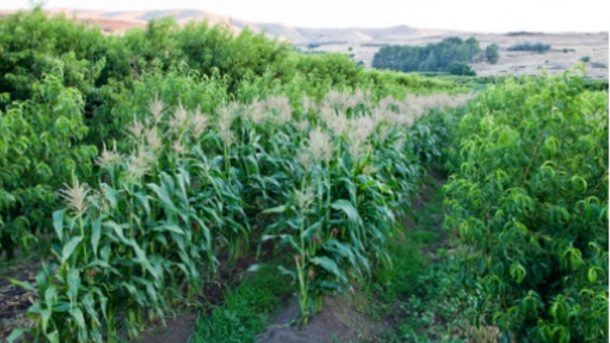
The practice of growing annual crops in between the rows of trees as an alternative method of fallow system is termed as hedgerow intercropping. The combination of trees and crops complement each other rather than competing. The trees create a favourable micro climate for the crops to survive by shielding them from drying winds.
ScientificFarmingWeb
What is farming and what are the different types of farming systems in India?

The process of growing crops and rearing animals for food and raw materials like vegetables, fruits, milk, fibre, meat etc. is called farming. Under the broad spectrum of agriculture, farming is considered a small category which involves production of flowers, fruits, biofuels, drugs, fibres, nursery plants, manure and leather.
The different types of farming systems practiced in India are:
Subsistence farming, Shifting agriculture, Plantation agriculture, Intensive farming, Dry agriculture, mixed farming, crop rotation, sedentary farming, Terrace cultivation.
How does baking soda helps to prevent the occurrence of powdery mildew on plants?
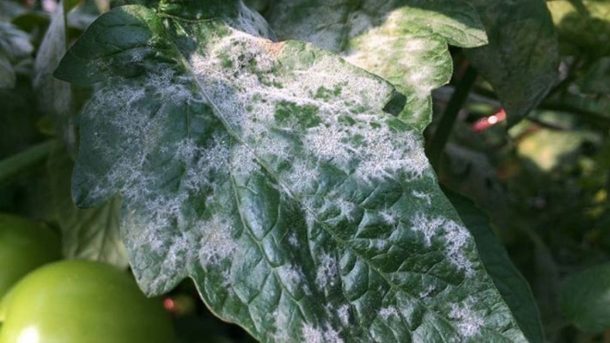
1 tablespoon of baking soda with half teaspoon of liquid soap and 1 gallon of water is mixed together and sprayed over the infected area to reduce the occurrence of powdery mildew. This is useful to prevent the disease, but is less effective once the disease has started.
When baking soda is sprayed on plants, it disrupts the ion balance of fungal cells, which causes them to collapse. Also, fungal spores are eliminated because the baking soda leaves alkaline residues on the surface of plants. Apart from acting as a fungicide, it has several other benefits in the garden.
What is contour farming?

The process of planting across a slope following its elevation contour lines. In this practice the ruts made by the plough are perpendicular to the slope rather than being parallel. Plants break the flow of water and prevent soil erosion, thereby making contour farming a sustainable way of farming.
What is ley farming?
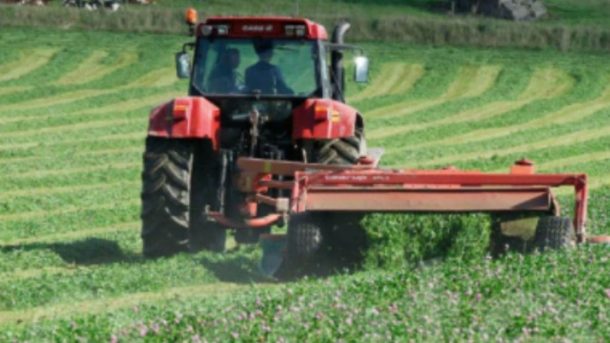
Farming is very difficult in dry lands because of water scarcity and lack of soil fertility, so a method of farming was introduced to restore the fertility of the soil and was known as ley farming. In this method of farming, grasses were grown in rotation with food grains to boost the nutrient level of the soil. It acts as an insurance against crop failures due to drought conditions.
What are blue Java bananas?
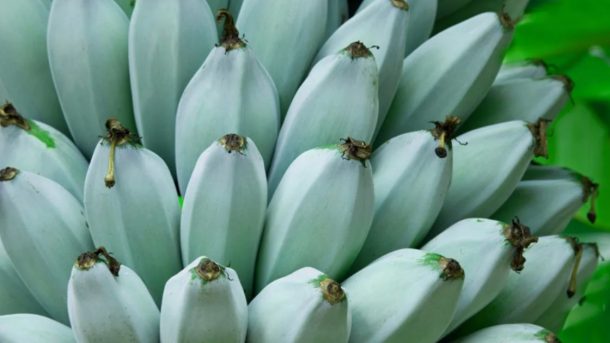
Blue Java bananas are a type of banana cultivar known for its unique flavour and appearance. They’re a hybrid of two species of banana native to Southeast Asia — Musa balbisiana and Musa acuminata. Before they’re fully ripe, they have an unusual blue tinged peel due to their natural wax coating. This tends to slowly fade as they mature. They also have a longer, stouter appearance than other banana varieties, with white flesh and small black seeds (1,2).
How harvesting is done in rose?
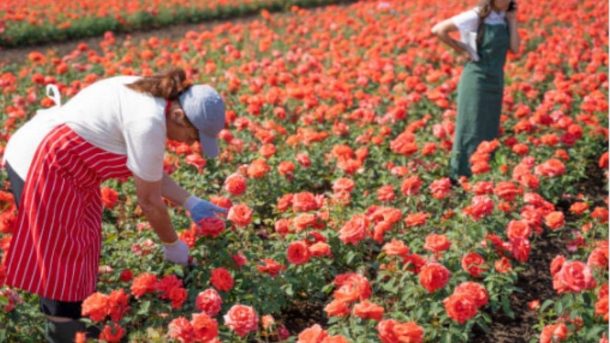
Harvesting is done with a sharp object at the stage of tight bud when the colour is fully established and the petals have not yet started unfolding. There should be 1 to 2 mature leaves those with five leaflets left on the plant after the flower has been cut. Leaving these mature leaves will increase the production of new strong shoots. Harvesting is preferred in early morning hours.
What is the plantation procedure followed in cinnamon?
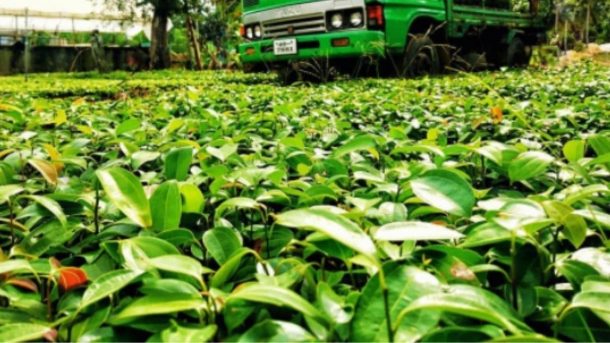
Should dig pits of 50 cm at a spacing of 3 meters by meters. They should be filled with organic compost and top soil before plantation. To get establishment of seedlings, cinnamon should be planted from June to July to take advantage of monsoon. One-year seedlings are planted. In each pit, 4 to 5 seedlings can be planted. The seeds are directly dibbled in pits in some cases that are filled with organic compost and soil. Partial artificial shade in the initial stages of cultivation is beneficial for the healthy and rapid growth of cinnamon plants.
How to plant cloves?
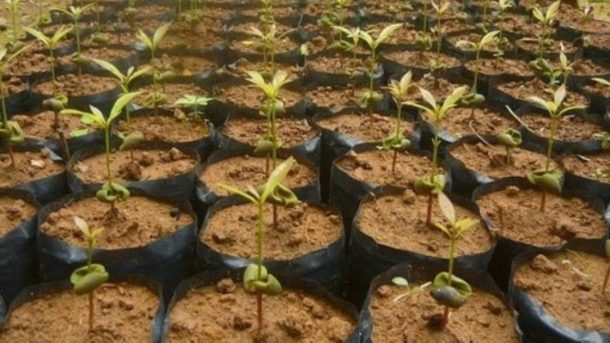
The best time for clove plantation is at the onset of South-west monsoons (June to July). In low lying areas, the best time for clove cultivation is towards the end of monsoons. The pits of 75 centimetre× 75 centimetres× 75 centimetres in size ar3e dug at a spacing of 6 to 7 meters. If cloves are planted as an intercrop, the spacing should be based on the spacing of the major crop in the field. The dug pits should be partially filled with cattle manure, compost or green leaf should cover with top soil. Clove plants prefer partial shade. It grows well at higher elevations, having well distributed rainfall. For Indian conditions, it is well suited for mixed cropping in older coconut or in coffee estates or in nut gardens.
How to propagate betel leaves?
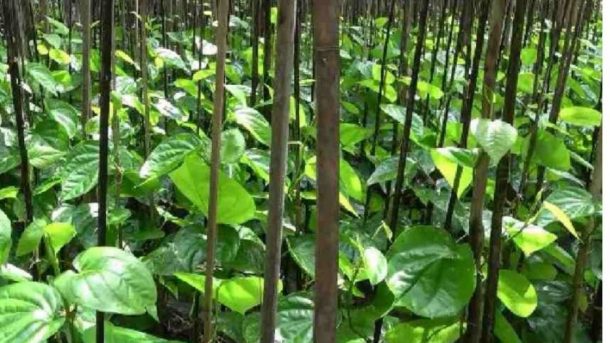
In betel leaves propagation, stem cuttings having 3 to 5 nodes are used and these are planted in such a fashion that 2 to 3 nodes are buried in the soil. A single node cutting with a mother betel leaf is also planted. Apical and middle portions cuttings of the betel vines are used for planting. There are 2 types of betel leaf cultivation is practiced in India:
- Open system cultivation using support plants
- Closed system cultivation using rectangular structures.