Organic produce with an organic label indicates that the product is certified against some standards outlined by the organic council. The label is generally given by a certification body of the respective country where the product is farmed and it informs the consumer on the type of standards followed during production and processing and the type of recognition granted by the certifying body. This label works as a guide for the consumer to know more about the product and its quality. There are many different standards on which the produce may be certified such as international voluntary standards, National mandatory standards, local voluntary standards and accreditation.
ScientificFarmingWeb
What kind of soil is best for growing vegetables in containers?
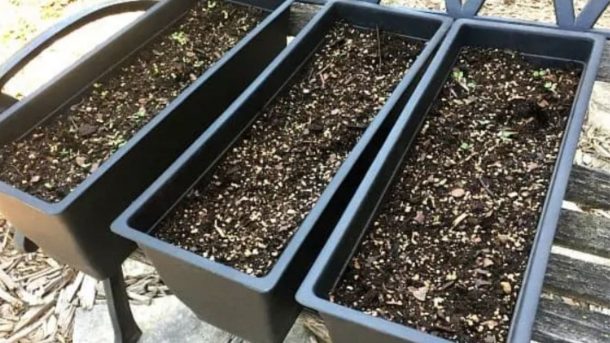
The soil that is best suited for container gardening is the done that drains well, is properly aerated and maintains a neutral pH. Potting mixture along with the soil offers all the above featured necessary for container gardening. The potting mixture contains organic matter such as part moss, compost, bark ships etc to provide nutrients to the soil. If the mixture is supplied with vermiculite or perlite, then it aerates the soil and helps retain moisture for a longer duration of time. Soil mixtures without the vermiculite can be used exclusively for growing herbs. Another advantage of potting mixture is that they are free of weeds, seeds, pests and diseases because they are heated when they are processed.
What is container gardening?
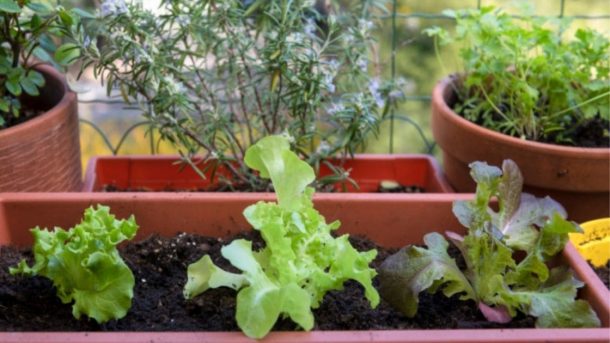
This is a practice of growing all varieties of plants in containers instead of planting them on the ground. The container used for the purpose of growing plants can be anything that is enclosed, small and portable such as a tub, basket or barrel. Sometimes large pots are also used for container gardening.
How many acres of land are required for each goat or how much space do goats need?
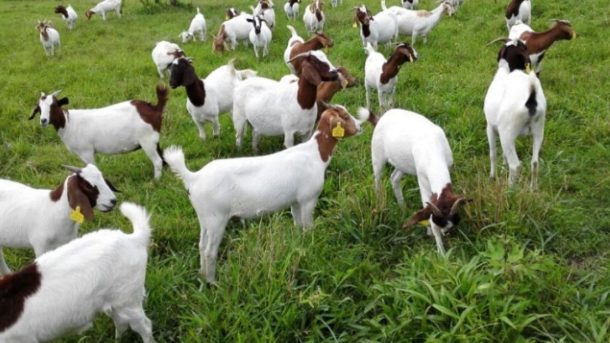
If the land quality is low, then the no of goats to be raised per acre of land would be around 2 to 4. Else if the land is good pasture, then 6 to 8 goats can be raised comfortably in 1 acre. Unlike the free-range goats, the ones that are raised indoors need 20 sq. ft of area per goat. Each adult goat many need 4 to 5 ft kidding pen area within the shelter.
What is green revolution and which crops are associated with it?
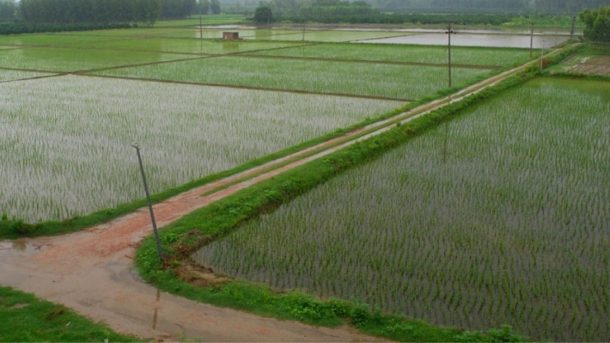
Green revolution refers to the increased production of food grains b the use of high yielding varieties of seeds and better management practices. The major crops that are considered for green revolution are rice and wheat.
What is dibbling method?
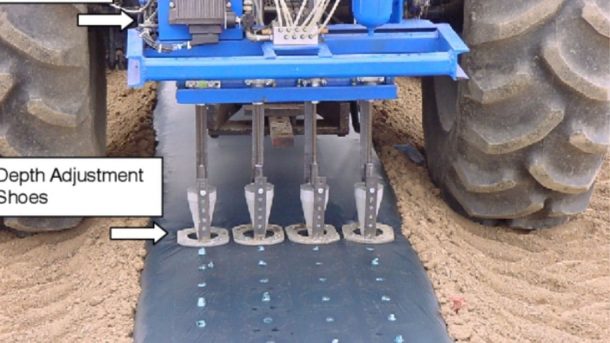
Dibbling is a method of cultivation, which uses an instrument called dibbler to plant seeds into the soil. A dibbler is a pointed stick that creates hole in the ground and plants the seed or seedling into it. Dibbling is not just placing the seedlings into the hole; it is used in conjunction with another process called puddling. Puddling is planting a seedling into a small hole filled with water in the ground.
Why do farmers use a combination of manures and fertilizers in their fields?
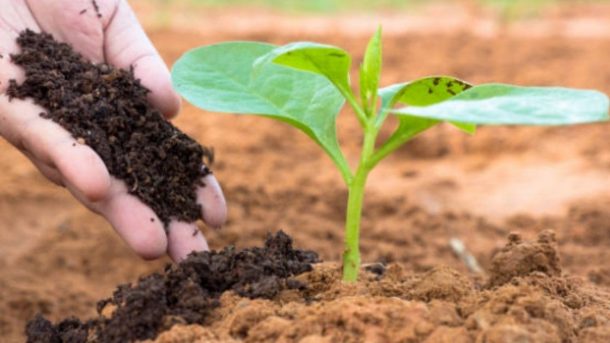
Manure is an organic matter in which many nutrients packed into a tremendously interconnected structure. Generally, if only a required nutrient is applied as fertilizer to the plants, then there is a possible risk of it being leached away or lost due to fixation. This results in insufficient supply of nutrients to the plant, but if fertilizer is applied long with manure, then it remains in the soil structure without getting leached and is made available for the plants.
Why are grains dried before storage?
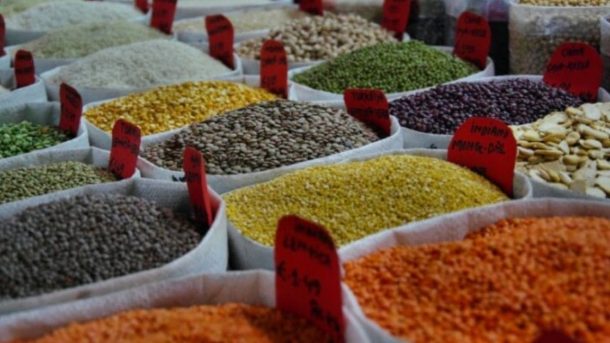
If grains that have been freshly harvested are stored without drying, then they may be spoiled due to micro-organism infestation. Drying the grains removes moisture from them so as to improve their shelf life and reduces the attack by insects, pests, bacteria and fungi. If the grains or seeds are to be used for sowing then moist grains lose the ability of germination very fast. So, it is always advised to dry the seeds up to 12% before storing.
What are the methods of planting crops in the farm?
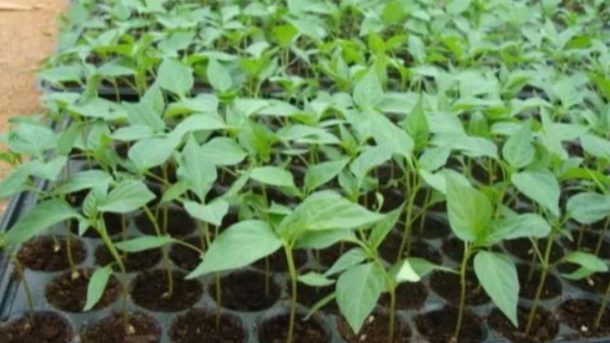
There are two major ways in which planting could be done are direct seeding and transplanting. Direct seeding refers to planting the seeds in the fields for growing crops, whereas transplanting refers to planting saplings or seedlings that have been grown in nurseries from seeds.
Why tillage is important?
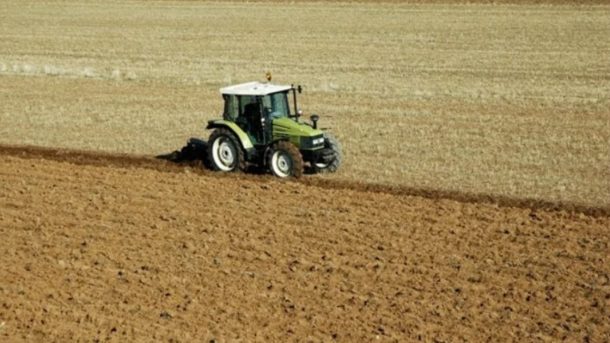
Tilling is deep ploughing the land almost to the depth of 8-10 inches while preparing the soil for cultivation. When the soil condition is very poor, then a large quantity of organic matter has to be incorporated into it and this can be done only by tilling this soil. Other important reasons for tilling the soil could be facilitating air circulation, decomposition etc. tilling can be done in many ways and is expected to have its own advantages and disadvantages.