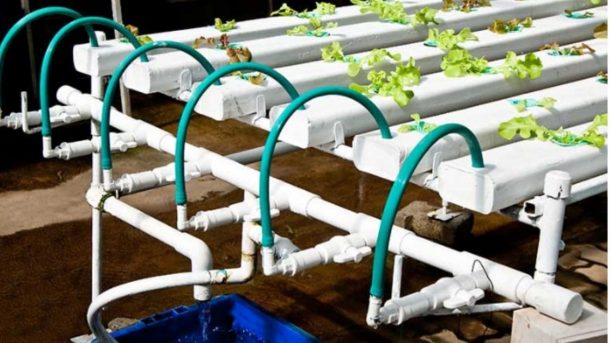
The principle of the NFT is by which nutrient solutions are recirculated for crop production. The system is widely adjusted for a variety of crop production and ideal for short term crops such as lettuce, leafy crops and herbs. Larger NFT systems are adaptive for long term crop production for example cucumber and tomatoes. This makes hydroponics economically attractive and with such outstanding advantages it is ideal for protection of degradation of natural resources this makes the culture efficient to countries.
ScientificFarmingWeb
What is soil structure?
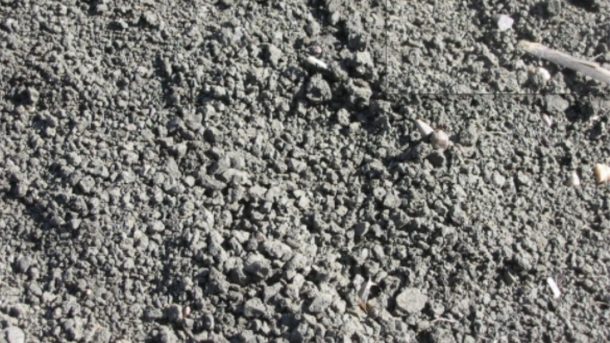
It refers to the arrangement of primary soil particles namely sand, silt, clay and their aggregates into certain defined pattern is called soil structure. It also defines the physical shape of the soil aggregates. Soil structure can be changed or altered by agronomic practices i.e., ploughing, cultivating, drainage, liming and manuring. The primary particles sand, silt and clay usually occur grouped together in the form of aggregate.
What is soil texture?
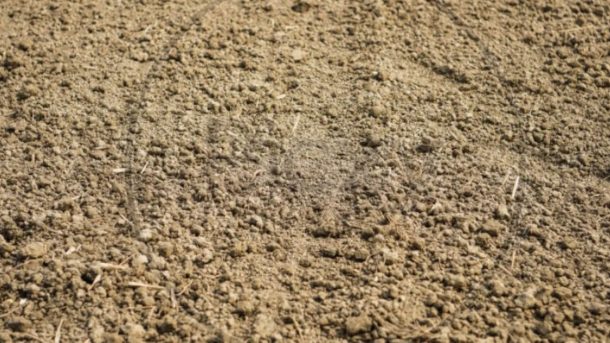
It refers to the relative proportion of various types of soil particles. It is the basic property of soil which can’t be changed. In field condition, soil texture is generally determined by feel method.
What are some of the physiological problems in tomatoes?
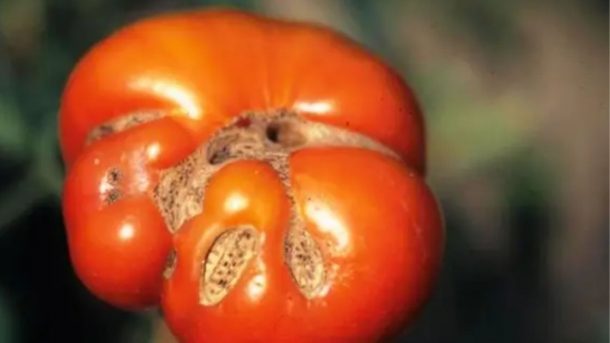
Adverse environmental conditions have a negative impact on the fruit and cause physiological disorders such as blossom end rot, fruit cracking, blossom drop, cat facing, puffiness, sun scald, gray wall, internal white tissue and rain check. Proper management and proper schedule for water and fertilizer application could prevent most of the disorders in tomato plants.
Which climate is best suitable for growing tomatoes?
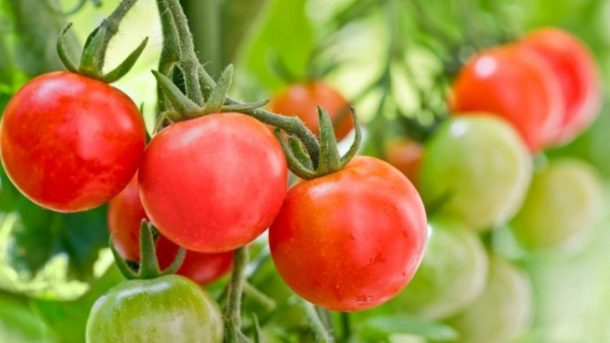
Tomato plants need 3 to 4 months of warm, dry climate because it is considered to be a warm season crop. Frost and high humidity are not suitable for these plants. The temperature of the farming region should be around 10-30°C. Temperatures above or below this range can cause damage to the plant tissues and slow down the physiological functioning of the plant. The plants need medium low to medium annual rainfall during the growing period.
Why do tomato plant leaves turn yellow?
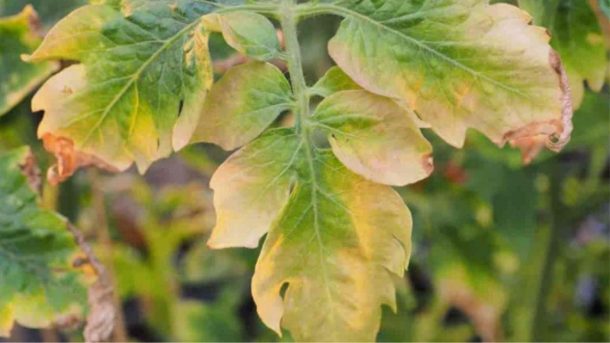
When plants do not receive adequate water, then the yellowing of the leaves on the bottom of the plant can be observed. Other reasons for the occurrence of yellow leaves on the plant are lack of nitrogen in the soil and curly top virus.
The problem can be controlled by deep watering the plants during hot weather conditions, adding compost or transplant mix to the soil, supplying adequate quantities of nitrogen to the soil and protecting the plants from pests.
Why do tomatoes split?
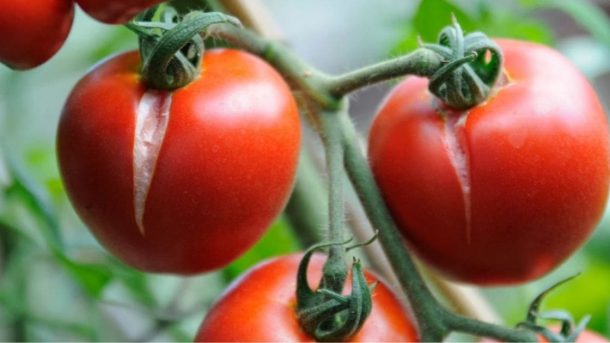
The fluctuation in the temperature causes many issues for new tomato plant base is mulched properly. When there is a lot of rain after a long dry period, it is found that the fruits crack or split. Lack of water is also another main reason for the split problem in tomatoes.
What does Epsom salt do for tomato plants?
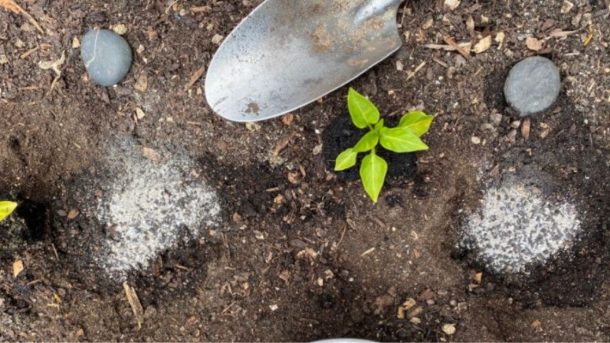
Epsom salt contains 10% magnesium and 13% Sulphur, it is considered to be a mineral compound. Spraying Epsom salt on tomato plants is expected to keep the plants green and bushy; the addition of Epsom salt to the soil helps with germination of seeds, root development, photosynthesis, plant growth and prevents blossom end rot.
How do you prune tomato plants?
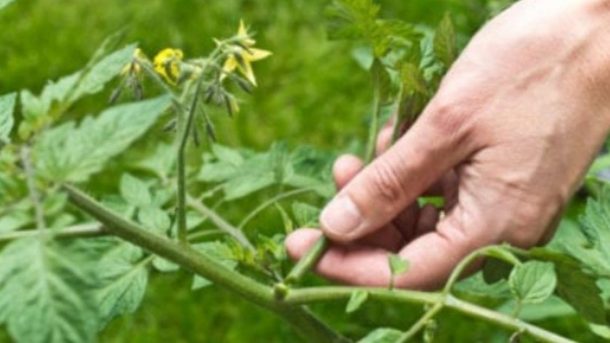
Before making any cut on the plant, it is important to know what variety is being grown and then it is important to observe any yellow leaves on the plant. If the plants contain yellow leaves, then it is considered to be the right time to start pruning. The suckers on the plants, i.e., tiny new branches that sprout at the junction of stem and old branch should also be removed. Another indication for pruning is when the plant starts flowering.
How long does it take for a tomato plant to bear fruit?
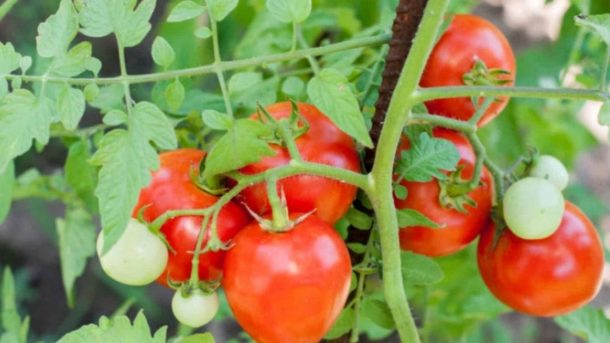
Different varieties of tomatoes have a different bearing period. The general variety or the determinate type starts bearing with in 70-75 days of planting. Cherry tomato plants bear fruit in 60-65 days. The hybrids and imported varieties have an average bearing period of 75-100 days of planting.