Advanced agriculture

What are the challenges faced by farmers in accessing and utilizing modern agricultural machinery and equipment?

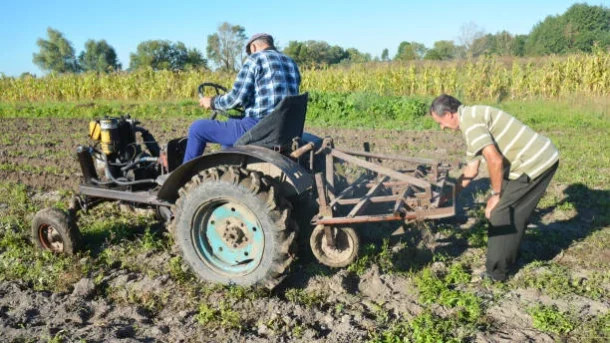
Accessing and utilizing contemporary agricultural gear and equipment presents a number of difficulties for farmers:

High Costs: The cost of purchasing, using, and maintaining modern agricultural gear and equipment can be high. For small-scale and resource-constrained farmers, the upfront investment cost frequently represents a considerable obstacle. The price of fuel, replacement parts, repairs, and maintenance can also increase the financial strain.

Limited Financial Resources: Many farmers, particularly smallholders, do not have easy access to credit or financing options that would allow them to purchase the latest in agricultural gear and equipment. They are unable to purchase the essential equipment due to their limited financial means, which forces them to rely on labor-intensive, conventional farming techniques.

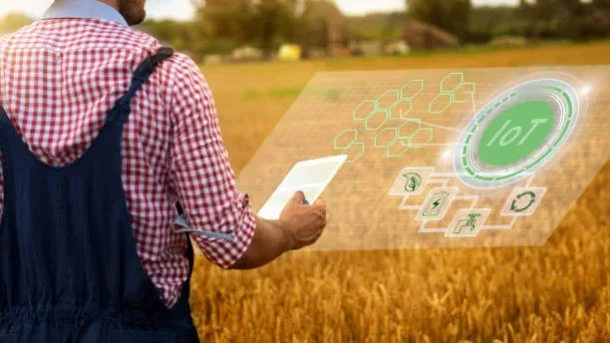
Infrastructure and Connectivity: In order to function properly, modern agricultural machinery frequently needs infrastructure assistance, such as a dependable power source, enough roads and transit infrastructure, and facilities for storage or repair. Lack of infrastructure in rural areas, especially in outlying or off-grid places, can restrict the usage of machinery. Additionally, poor internet connectivity might make it difficult to use cutting-edge precision agriculture equipment and make data-driven decisions.

Adaptation to Local Farming Conditions: Modern agricultural machinery may not be ideal for local farming conditions, including soil types, crop kinds, and topography, as it is frequently developed based on standardized requirements. Farmers may find it difficult to customize or modify machinery to suit their unique demands, and doing so may not be feasible or inexpensive.
How does the lack of investment in agricultural research and development hinder innovation in the sector?

Agriculture’s ability to innovate can be hampered in a number of ways by a lack of investment in agricultural research and development (R&D):

Limited Technological Advancements: The creation and implementation of new agricultural technologies, practices, and innovations depend heavily on investment in agricultural R&D. Without sufficient financing, scientists and research organizations could find it difficult to carry out the essential studies, tests, and experiments to enhance agricultural knowledge and create new solutions. The industry’s capacity to meet new challenges, increase production, and improve sustainability is hampered by this lack of technological developments.

Slow Adoption of Improved Practices: Research and development (R&D) in agriculture is essential for developing new crop types, breeding methods, pest control approaches, and other advances. Limited access to such knowledge can arise from inadequate R&D spending.

Missed Economic Opportunities: By promoting innovation, value addition, and sector diversification, agricultural R&D has the ability to open up new economic opportunities. The creation of novel high-value crops, food processing technology, and agribusiness models can result from investments in R&D. Without sufficient finance, the sector might pass up significant business prospects, such as the possibility for job growth, exports, and general economic expansion.

Limited Problem-Solving Capacity: Agricultural R&D provides the scientific underpinnings for solving challenging agricultural issues and locating long-term fixes. The ability of research institutes and scientists to conduct the extensive investigations, experimentation, and analysis required to comprehend and address pressing problems facing the industry is constrained by inadequate funding in R&D. The industry’s inability to address new problems and maximize efficiency is hampered by this lack of capability.

What are the issues related to social inequality and marginalized communities in the agricultural value chain?

Several crucial problems are spawned by social inequality and the exclusion of communities from the agricultural value chain:-

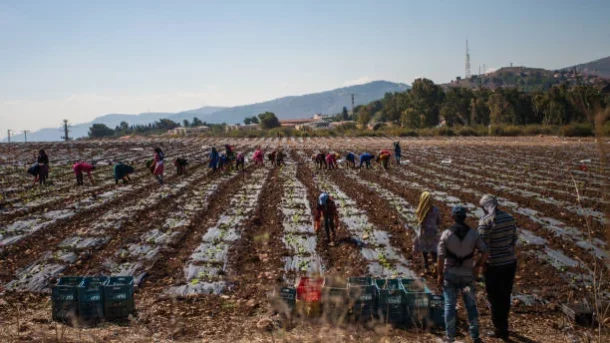
Limited Access to Resources: Communities on the margins frequently encounter obstacles when trying to obtain basic resources including land, water, financing, and sophisticated agricultural supplies. Lower yields and income levels result from their inability to engage in productive and sustainable agricultural practices due to a lack of access to these resources.

Land Tenure and Ownership: In many areas, marginalized populations face difficulties gaining rights to land tenure and ownership. Their fragility and lack of control over agricultural land is a result of dispossession, land grabbing, and discriminatory land policy, which feeds a cycle of poverty and marginalization.

Gender Inequality: Women in rural and underprivileged areas frequently encounter barriers based on their gender while trying to access resources, positions of authority, and financial opportunities within the agricultural value chain. Their access to education and training as well as their participation in farming operations may be restricted by gender-based discrimination.

Lack of Representation and Participation: Marginalized communities frequently have little representation in and little involvement in policy, rural development, and agriculture-related decision-making processes. Because of this exclusion, policies may not appropriately address their special requirements and difficulties.

What are the challenges faced by farmers in adopting and implementing sustainable pest and disease management practices?

pest and disease management

Farmers must overcome a number of obstacles in order to adopt and use sustainable pest and disease management techniques:

Lack of Information and Unawareness: Many farmers might not have access to or be aware of information regarding sustainable methods for managing pests and diseases. They could not be familiar with sustainable agricultural methods or integrated pest management (IPM) techniques, or they might not be aware of alternatives to chemical pesticides.

Limited Access to Resources: It is frequently necessary to get extra resources, such as training, technical assistance, and access to alternative pest control techniques, in order to implement sustainable pest and disease management practices. Farmers, especially small-scale farmers with limited resources, may find it difficult to obtain or buy these services.

Peer influence and cultural aspects: Farmers may be affected by the social mores and customs that are common in their neighborhoods. Farmers may be reluctant to depart from conventional practises or may encounter pushback from peers if sustainable pest and disease control practices are not generally accepted or respected within the agricultural community.

A multifaceted strategy that includes information distribution, capacity building, access to resources and assistance, financial incentives, and legislative support is needed to address these difficulties. Governments, agricultural extension agencies, NGOs, and research facilities all play a significant part in encouraging the use of sustainable pest and disease control techniques and offering training programmes and technical support. Financial institutions may provide farmers making the switch to sustainable farming methods with easily available finance and financial assistance.

How does the absence of effective land-use planning and zoning policies impact sustainable agriculture?

land-use

Encroachment on Agricultural Land: Without adequate land-use planning and zoning, infrastructure projects, industrial operations, and urban expansion may all encroach on agricultural land. This causes fertile farmland to be converted to non-agricultural uses, resulting in the loss of important agricultural resources and a reduction in the amount of land available for sustainable farming methods.

Agriculture land fragmentation: Without defined land-use planning guidelines, agricultural land may be split into smaller portions as a result of unplanned urban growth or property subdivision. Farming operations are hindered by fragmentation, which also diminishes economies of scale and restricts the adoption of sustainable land management techniques.

Soil Degradation and Loss: Poor land-use planning can lead to land practices that are not sustainable, such as excessive use of chemical fertilizers, poor irrigation techniques, and insufficient soil conservation measures. This can endanger the long-term productivity and sustainability of agricultural land by causing soil erosion, nutrient depletion, and soil fertility loss.

Impacts on the Environment: Poor land-use planning can result in ecosystem harm and environmental deterioration. The danger of contamination from urban runoff, industrial pollutants, and chemical inputs can rise if there are insufficient buffer zones between agricultural and non-agricultural regions. The health of the environment, biodiversity, and water quality may all be negatively impacted by this.

How does the lack of access to credit and financial services for agricultural investments hinder farmers’ productivity?

credit and financial services

The productivity of farmers can be hampered in a number of ways by a lack of access to financing credit and financial services for agricultural investments:

Limited Investment Capacity: Farmers may not have the money they need to invest in agricultural supplies, technology, and infrastructure that can increase production if they do not have access to credit and financial services. This entails investing in top-notch seeds, fertilizer, irrigation equipment, farming practices, and machines. Lower productivity levels might come from farmers being unable to embrace new methods and technology due to a lack of investment capacity.

Restricted Expansion and Diversification: Farmers may find it difficult to extend their businesses or diversify into higher-value animals or crops due to a lack of finance and financial services. Investments in operating capital, infrastructure, equipment, and land are necessary upfront for expansion and diversification.

Inability to Adopt contemporary technology: By using contemporary technology like irrigation systems, mechanization, and precision agriculture, agricultural production may be considerably increased. These solutions, however, frequently need a sizable initial expenditure. Farmers may be unable to purchase and utilize these technologies due to a shortage of credit and financial services, which limits their capacity to increase production and efficiency.

Limited Working Capital: For day-to-day agricultural activities, such as buying supplies, hiring labour, and managing cash flow, enough working capital is crucial. Lack of access to finance can make it difficult for farmers to keep enough operating capital on hand, which can cause interruptions in farming operations, less than ideal decision-making, and decreased production.

What are the issues related to genetic erosion and the loss of traditional crop varieties in agriculture?

traditional crop

Reduced Genetic Diversity: Traditional crop varieties frequently have a diverse genetic makeup that has developed over many generations, making them resilient to pests, diseases, and climatic pressures as well as adaptable to different environmental situations. The loss of these kinds causes agricultural systems’ genetic diversity to decline. Crops are less able to adapt to shifting climatic circumstances as a result, making them more susceptible to pests, diseases, and climate change.

Increased Dependence on a Fewer types: Modern agriculture’s focus on uniform, high-yielding crop types has resulted in the widespread acceptance of a small number of commercial varieties. If a certain variety is vulnerable to a new pest or disease, this monoculture strategy raises the chance of crop failure.

Local food systems disruption: Traditional crop types are frequently well-adapted to regional environmental factors as well as regional preferences for flavour, nutritional value, and culinary applications. A trend towards uniform, standardised kinds that might not satisfy the particular requirements and tastes of local people might result from the loss of various variations, which can undermine regional food systems. This may lead to a loss of ethnic eating traditions and nutritional variety.

Loss of Nutritional and Therapeutic Values: Traditional crop types frequently have special nutritional and therapeutic values. The absence of certain types may result in a decrease in the amount of certain nutrients, therapeutic substances, and other health advantages connected to traditional crops. Particularly in areas that depend on traditional crops, this may have an effect on people’s health and nutrition.

How does the limited access to affordable and environmentally friendly farm inputs hinder sustainable agriculture?

farm inputs

Sustainable agriculture may be hampered by the restricted availability of inexpensive and ecologically acceptable farm inputs in a number of ways:

Restricted Adoption of Sustainable Practises: Environmentally friendly inputs including organic fertilisers, biopesticides, and biological control agents are frequently needed in sustainable agriculture. Farmers may, however, turn to traditional inputs that might have detrimental environmental effects, including synthetic fertilisers and chemical pesticides, if these inputs are not easily accessible or reasonably priced. Farmers’ inability to adopt and put into practise sustainable practices is hampered by limited availability to sustainable inputs, which jeopardises agriculture’s overall sustainability.

Degradation of the soil and nutrient imbalance: Sustainable agriculture emphasises the need of preserving the fertility and health of the soil. Farmers may, however, significantly rely on synthetic fertilizers if they don’t have access to inexpensive organic fertilizers and soil amendments.

Increased Production prices: Compared to conventional inputs, environmentally friendly inputs like organic fertilizers or biological pest control agents may have higher upfront prices. Farmers’ production costs may rise as a result of limited access to inexpensive solutions, making sustainable practices unprofitable. The adoption of sustainable farming practices by farmers may be discouraged as a result, and the shift to more environmentally friendly production systems may be hampered.

Dependence on External Inputs: A cycle of dependence on external inputs can be sustained by limited availability to inexpensive and sustainable farm inputs. Due to increased reliance on pricey synthetic fertilisers, toxic pesticides, and other external inputs, farmers may experience greater production costs, decreased profitability, and increased market vulnerability. Additionally, it hinders the capacity of farmers to build resilience and self-sufficiency within their farming systems.

What are the challenges faced by farmers in adapting to changing weather patterns and climate variability?

weather patterns

When it comes to adjusting to shifting weather patterns and climatic unpredictability, farmers confront a number of difficulties. The productivity, livelihoods, and food security of the agricultural sector may all be significantly impacted by these issues. Here are some significant difficulties that farmers confront in this regard:

Unpredictable weather patterns: Climate change makes weather patterns more variable and unpredictable. It is challenging for farmers to efficiently plan their agricultural operations since they frequently find it impossible to foresee the start and end of seasons. Crops and cattle can be harmed by erratic rainfall, severe temperatures, and unforeseen weather conditions including storms, droughts, and floods.

Changes in the duration of growth seasons: Climate change may result in changes in the timing of seasons, such as the start of rainy seasons, dry spells, and the length of growing seasons. This upends conventional agriculture methods.

How does the absence of effective market linkages and value chain integration impact farmers’ income opportunities?

farmers

Limited market access: Farmers may encounter difficulties finding markets for their agricultural products in the absence of strong market connections. Farmers’ capacity to access customers and offer their goods at competitive pricing may be limited by geographical constraints, inadequate transportation infrastructure, and a lack of market knowledge. Farmers may be forced to rely on local middlemen or intermediaries who may provide lower pricing as a result of their limited market access, which will affect their income.

Price volatility and exploitation: Farmers are frequently more at risk from price fluctuation when there are weak market ties. When market prices are low and they are compelled to sell their produce right away after harvest, their profitability may suffer. Moreover, farmers may be at a disadvantage when negotiating rates with customers if they lack direct access to markets and information.

Lack of market data: Farmer need up-to-date, reliable market data to make decisions regarding what to produce, when to sell, and where to sell their products. Farmers may find it difficult to successfully plan their production and marketing strategy in the lack of trustworthy market information due to uncertainties. This may lead to misaligned supply and demand, price changes, and fewer chances for employment.

Insufficient value addition: Adding value to agricultural products is essential if farmers are to increase their profitability. Farmer may lose out on chances for value addition, such as processing, packaging, and branding, if the value chain is not properly integrated and coordinated.