Accessing and utilizing contemporary agricultural gear and equipment presents a number of difficulties for farmers:
High Costs: The cost of purchasing, using, and maintaining modern agricultural gear and equipment can be high. For small-scale and resource-constrained farmers, the upfront investment cost frequently represents a considerable obstacle. The price of fuel, replacement parts, repairs, and maintenance can also increase the financial strain.
Limited Financial Resources: Many farmers, particularly smallholders, do not have easy access to credit or financing options that would allow them to purchase the latest in agricultural gear and equipment. They are unable to purchase the essential equipment due to their limited financial means, which forces them to rely on labor-intensive, conventional farming techniques.
Infrastructure and Connectivity: In order to function properly, modern agricultural machinery frequently needs infrastructure assistance, such as a dependable power source, enough roads and transit infrastructure, and facilities for storage or repair. Lack of infrastructure in rural areas, especially in outlying or off-grid places, can restrict the usage of machinery. Additionally, poor internet connectivity might make it difficult to use cutting-edge precision agriculture equipment and make data-driven decisions.
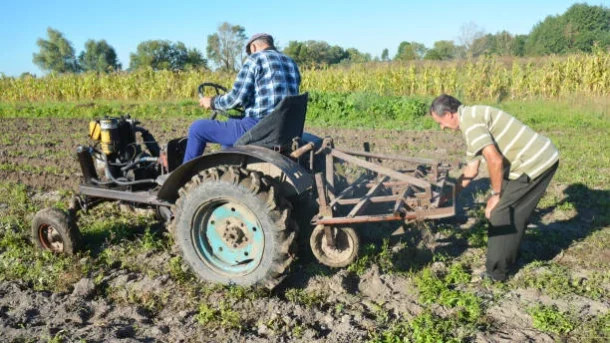
Adaptation to Local Farming Conditions: Modern agricultural machinery may not be ideal for local farming conditions, including soil types, crop kinds, and topography, as it is frequently developed based on standardized requirements. Farmers may find it difficult to customize or modify machinery to suit their unique demands, and doing so may not be feasible or inexpensive.