Agricultural schemes

What is the purpose of the National Mission on Agricultural Disaster Management (NMADM)?

Agricultural Disaster

Early Warning Systems and Preparedness: Agricultural disaster management efforts seek to improve early warning systems and disaster preparedness. This entails keeping an eye on the weather, climatic patterns, and other pertinent variables in order to forecast impending calamities that can affect agriculture and to offer prompt warnings.

Reducing risks and lessening the effects of disasters on agriculture are the main objectives of the programs. This entails putting strategies into place to increase farming systems’ resilience, such as encouraging crop diversification, water and soil conservation, the adoption of climate-resilient agricultural practices, and building infrastructure to resist calamities.

Initiatives for agricultural disaster management include provisions for emergency response and relief measures to assist impacted farmers and lessen the immediate effects of disasters. To aid farmers in recovering from the consequences of disasters, this may entail offering financial support, food supplies, seeds, fertilizer, support for livestock, and other essential inputs.

Agricultural disaster management initiatives place a high priority on the rehabilitation and recovery of the devastated agricultural sector. This include fixing broken infrastructure, assisting with the rebuilding of livelihoods, easing access to loans and insurance, and giving technical support to help farmers continue farming and reconstruct their lives.

Name a scheme that aims to promote the use of farm machinery rental services.

farm machinery

The “Custom Hiring Centers (CHC) Scheme” or “Farm Machinery Bank Scheme” is one program that tries to encourage the usage of farm equipment rental services in India. The Department of Agriculture, Cooperation & Farmers Welfare, Ministry of Agriculture and Farmers Welfare, Government of India, is responsible for implementing the Custom Hiring Centers Scheme.

The Custom Hiring Centers Scheme’s primary goals typically consist of:

Promoting Access to Farm Machinery: By establishing Custom Hiring Centers (CHCs), the program seeks to improve farmers’ access to contemporary farm machinery and equipment. These CHCs work as machinery banks where farmers can rent or borrow equipment for a variety of agricultural tasks, including threshing, harvesting, sowing, and other farm chores.

Efficiency and Cost Reduction: By enabling the renting or hiring of machinery, the program aims to lower agricultural operating expenses and boost productivity. Through CHCs, shared equipment is made available to farmers, allowing them to spend less on expensive equipment purchases, upkeep, and storage while still having timely access to equipment during the busiest agricultural seasons.

Adoption of new agricultural technologies and farm equipment is encouraged by the Custom Hiring Centers Scheme among small and marginal farmers who might lack the funds to purchase their own equipment. It promotes the employment of cutting-edge equipment to boost farm operations and increase production and resource efficiency.

Building Capacity and Developing Skills: The program places a strong emphasis on helping farmers and machine operators grow their capacities and develop their skills.

What is the main objective of the Market Intervention Scheme (MIS) for agricultural commodities?

Intervention Scheme

The Market Intervention Scheme (MIS) for agricultural commodities’ primary goal is to support farmers by stabilizing perishable agricultural commodities’ prices during periods of market glut and ensuring that their produce will fetch fair market value. The Ministry of Agriculture and Farmers Welfare, Government of India, is responsible for implementing the MIS.

The Market Intervention Scheme’s primary goals and duties typically consist of:

Price Stabilization: When there is an oversupply on the market, the MIS seeks to stabilize the prices of agricultural commodities, especially perishable crops. In order to intervene, it buys the produce directly from the farmers at a predetermined minimum support price (MSP) or pre-announced price, creating a guaranteed market and avoiding distress sales.

Market Support: During periods of market oversupply or abrupt price drops, the program offers market support to farmers. By providing a procurement process that guarantees farmers a fair price and lessens their exposure to market swings and abuse, it fosters a favorable market environment.

Creation of Buffer stockpiles: The Intervention Scheme supports the development of agricultural commodity buffer stockpiles. These buffer inventories serve as a reserve to control market turbulence and keep prices stable. When there is a shortage or prices rise above a particular point, the purchased goods are kept in storage before being reintroduced into the market.

Farmer Income Support: The MIS makes sure that farmers obtain fair prices for their goods by acquiring commodities at MSP or previously published prices. 

Which scheme provides financial assistance for the establishment of post-harvest infrastructure in rural areas?

post-harvest

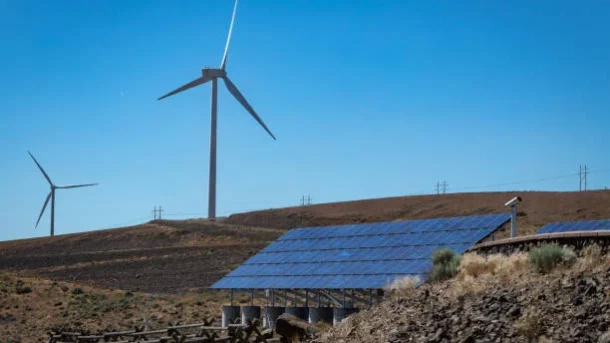
The “Mukhyamantri Saur Krishi Yojana” (MSKY) is one program that offers financial aid for the construction of post-harvest infrastructure in rural parts of India.

A government program called the Mukhyamantri Saur Krishi Yojana is being carried out by the respective state governments with the goal of encouraging the use of solar energy in agricultural processes and offering financial support for various solar-powered structures and equipment in rural areas.

Financial support is given for the building of post-harvest infrastructure using solar-powered technologies under the Mukhyamantri Saur Krishi Yojana. This might include solar-powered grain mills, charkhas (spinning wheels), cold storage facilities, dryers, and other tools and systems that help with post-harvest management and processing.

The Mukhyamantri Saur Krishi Yojana’s goals are to make it easier to use solar energy for agricultural purposes, lessen reliance on traditional energy sources, and improve the effectiveness of post-harvest activities in rural regions. The program aims to increase agricultural produce storage, processing, and value addition, reduce post-harvest losses, and improve the income and way of life for rural farmers by providing financial support for solar-powered infrastructure.

It’s vital to keep in mind that the Mukhyamantri Saur Krishi Yojana’s particular guidelines, eligibility requirements, and implementation methods may differ throughout states. To receive precise and complete information regarding the financial assistance provided for post-harvest infrastructure in rural areas, it is therefore advisable to refer to the specific program implemented by the relevant state government.

What is the primary goal of the Price Stabilization Fund (PSF)?

Price Stabilization

The Price Stabilization Fund (PSF)’s main objective is to maintain stable agricultural commodity prices and guarantee customers may purchase them at fair prices. The PSF is a government program run by the Indian Ministry of Consumer Affairs, Food, and Public Distribution.

The Price Stabilization Fund’s primary goals and duties typically consist of:

Price Intervention: During times of price instability or unexpected price surges, the PSF intervenes in the market to stabilize the prices of necessary commodities. It seeks to control price swings, eliminate hoarding and speculative activity, and guarantee that consumers have access to basic goods at reasonable costs.

Making a Buffer Stock: The PSF makes a buffer stock of necessities including lentils, onions, and edible oils.

Market Intervention Techniques: The PSF use a variety of market intervention techniques to control prices, including buying goods directly from farmers, importing more supply, and releasing goods from the buffer stock when prices rise above a certain level. These steps are used to maintain price stability and have an impact on market dynamics.

Timely Intervention: The PSF makes sure that supply-demand mismatches and price changes are addressed in a timely manner. In order to prevent excessive price fluctuations and market distortions that can have a negative impact on consumers and farmers, it closely monitors market circumstances, tracks pricing patterns, and acts quickly.

Name a government initiative that focuses on the development of integrated farming systems.

farming systems

The “Rashtriya Krishi Vikas Yojana” (RKVY) is one government effort that concentrates on the development of integrated farming systems in India. The Department of Agriculture, Cooperation & Farmers Welfare, Ministry of Agriculture and Farmers Welfare, Government of India, is responsible for implementing the Rashtriya Krishi Vikas Yojana, a centrally supported program.

The Rashtriya Krishi Vikas Yojana’s primary attributes and goals with regard to integrated farming systems are as follows:

Integrated Farming Models: The program encourages the creation and presentation of farming models that integrate multiple agricultural pursuits. On their farms, it promotes farmers to use integrated systems that combine crop production, livestock husbandry, aquaculture, poultry farming, and other related pursuits.

Technical and Financial Support: To encourage farmers to adopt integrated agricultural methods, the RKVY offers both technical and financial support. Inputs, infrastructure, and equipment required for putting integrated farming concepts into practice are provided, along with support for capacity building, training programs, exposure trips, demonstrations, and other related activities.

Sustainable Agriculture Practices: Through integrated farming systems, the program promotes sustainable agriculture practices. By utilizing synergies between various agricultural system components, it places an emphasis on the use of organic farming practices, resource conservation, effective nutrient management, pest and disease control measures, and the decrease of chemical inputs.

The RKVY places a strong emphasis on improving farmers’ livelihoods and diversifying their sources of revenue through integrated farming systems. Farmers can increase their total farm profitability and resilience by combining different agricultural activities to create numerous income streams, lower production risks, and cut production costs.

What is the purpose of the National Mission on Sustainable Habitat (NMSH)?

Sustainable Habitat

An effort of the Indian government called the National Mission on Sustainable Habitat (NMSH) aims to maintain environmentally compatible habitats and encourage sustainable urban development. Addressing the issues of rapid urbanization, urban environmental degradation, and unsustainable urban behaviors is the main goal of the National Mission on Sustainable Habitat.

The National Mission on Sustainable Habitat’s primary goals typically consist of:

Planning and Development for a Sustainable Urban Environment: The mission emphasizes the promotion of sustainable urban planning and development techniques. To design livable and resilient cities, it seeks to include the ideas of environmental sustainability, energy efficiency, water conservation, waste management, and green infrastructure into urban planning processes.

The NMSH places a strong emphasis on the preservation and effective use of natural resources in urban settings. It advocates for the efficient use of energy and stimulates the adoption of renewable energy sources in urban infrastructure. It also promotes the sustainable management of water resources and the collection of rainwater.

Climate Change Mitigation and Adaptation: The mission promotes urban adaptation and mitigation measures in order to meet climate change concerns. Its main goals are to lessen greenhouse gas emissions, encourage energy-efficient construction, increase urban resilience to climate change effects, and put climate-responsive urban design strategies into practice.

Integrated Solid Waste Management Practices are encouraged in metropolitan areas by the NMSH. To reduce the negative environmental effects of urban trash, it promotes waste segregation, recycling, waste-to-energy conversion, and the development of effective waste management systems.

Name a government program that provides financial assistance for the establishment of agri-clinics and agri-business centers.

agri-clinics and agri-business

The “Agri-Clinics and Agri-Business Centers (ACABC) Scheme” is one government initiative that offers financial support for the building of agri-clinics and agri-business centers in India. The Ministry of Agriculture and Farmers Welfare, Government of India, is in charge of carrying out the ACABC Scheme.

The following are the main goals of the Agri-Clinics and Agri-Business Centers Scheme:

Development of Entrepreneurship: The program’s goal is to encourage agricultural graduates, diploma holders, and other eligible people to open their own agri-clinics and agri-business centers. It offers a platform for people to work for themselves and serve farmers with specialized agricultural services.

Agri-Clinics: The program encourages the construction of facilities known as “agri-clinics,” where farmers can receive agricultural advising and consulting services from qualified professionals. To enhance farming practices and raise agricultural productivity, these clinics provide professional advice on a variety of topics including crop development, pest management, soil health, farm management, farm mechanization, and other pertinent areas.

Agri-Business Centers: The program additionally offers financial support for the creation of agri-business centers. These facilities act as hubs for agricultural entrepreneurs, allowing them to carry out a variety of agricultural and related tasks such seed processing, fertilizer formulation, farm equipment rental, marketing of agricultural inputs, value addition, agri-tourism, and other agribusiness endeavors.

The ACABC Scheme places a strong emphasis on capacity building and training programs for agri-preneurs. To broaden their knowledge, it offers technical and entrepreneurial training.

Which scheme aims to promote the cultivation of aromatic plants and essential oil production?

aromatic plants

The “Aroma Mission” or “National Aroma Mission” is one program that aims to encourage the cultivation of aromatic plants and the manufacture of essential oils in India. The Ministry of AYUSH (Ayurveda, Yoga & Naturopathy, Unani, Siddha, and Homoeopathy), Government of India, has launched the Aroma Mission with the aim of fostering the growth of aromatic plant cultivation, raising essential oil production, and assisting the aromatic industry.

The Aroma Mission’s primary goals typically consist of:

Aromatic Plant Cultivation: The objective is to encourage the growth of aromatic plants with high essential oil content. Depending on the region’s agro-climatic compatibility, it promotes farmers to grow aromatic crops like rose, lavender, lemongrass, vetiver, patchouli, and others.

Production of Essential Oils: The Aroma Mission seeks to boost the production of essential oils through the planting of aromatic plants. In order to increase the yield and quality of essential oils derived from aromatic plants, it encourages the adoption of contemporary growing techniques, agro-technology interventions, and post-harvest processing methods.

Market Promotion and Value Addition: The plan places a strong emphasis on creating connections in the market and adding value for aromatic plant and essential oils. It focuses on opening up new markets, setting up facilities for processing essential oils, assisting in the creation of quality standards, and promoting the manufacturing of products with added value including fragrances, cosmetics, herbal remedies, and aromatherapy oils.

What is the main objective of the Interest Subvention Scheme for crop loans?

crop loans

The Interest Subvention Scheme for Crop Loans’ primary goal is to assist farmers financially by lowering the cost of interest on agricultural loans. With the help of the program, farmers will be able to meet their needs for agricultural financing and support their farming operations by making crop loans more reasonable and accessible.

The Interest Subvention Scheme for Crop Loans normally has the following primary goals:

A reduction in the effective interest rate imposed on crop loans is provided through the scheme, which is known as interest rate subvention. By offering an interest rate subsidy or subvention on the applicable interest rate for a set length of time, it tries to reduce the cost of loan for farmers.

The program’s main goal is to make sure that farmers have access to timely and sufficient credit for their agricultural endeavors. It aims to improve farmers’ access to financing for crop cultivation, input purchases, and other associated costs throughout the crop production cycle.

Debt Relief and Financial Inclusion: The interest subsidy program is essential in helping farmers get out of debt and lessen their financial burden. By making credit more accessible to farmers, particularly small and marginalized ones, it helps ease the burden of repayment, lessen the likelihood of loan defaults, and promote financial inclusion.

Increasing Agricultural Productivity: By ensuring that farmers have access to reasonable finance, the program seeks to increase Agricultural Productivity. Farmers can invest in contemporary farming methods, buy high-quality inputs, use innovative technologies, and increase farm production and profitability by lowering the cost of financing.