Agricultural schemes

Name a government initiative that focuses on the development of fisheries and aquaculture in India.

aquaculture

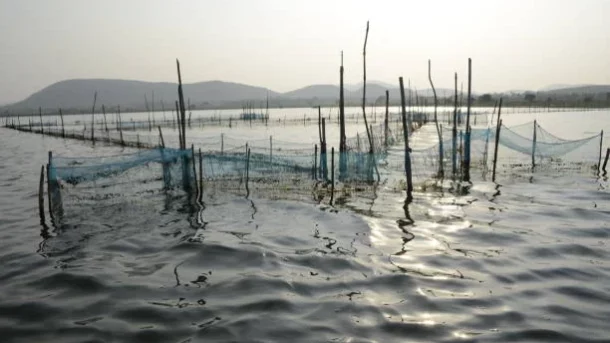
The “Blue Revolution” or “Pradhan Mantri Matsya Sampada Yojana” (PMMSY) is one government effort that concentrates on the growth of fisheries and aquaculture in India. The Ministry of Fisheries, Animal Husbandry, and Dairy, Government of India, has launched a flagship program called The Blue Revolution with the goals of boosting fish production, raising the income of fishermen, and encouraging sustainable aquaculture methods.

The PMMSY’s or the Blue Revolution’s main goals are:

Development of Sustainable Aquaculture: The program seeks to advance both freshwater and marine aquaculture methods that are sustainable. In order to boost fish production and productivity, it emphasizes the development and modernization of aquaculture infrastructure, the use of cutting-edge technologies, and the introduction of best management practices.

Modernization of Fisheries Infrastructure: The Blue Revolution places a strong emphasis on modernizing and enhancing fisheries infrastructure, which includes fishing harbors, landing areas, fish markets, fish processing plants, cold storage facilities, and ice plants. To decrease post-harvest losses and raise the quality of fish products, it attempts to improve post-harvest facilities, storage capabilities, and processing capabilities.

Fish Seed Production and Hatcheries: The program encourages the development and improvement of facilities for producing fish seeds, as well as hatcheries and nurseries. To assure the supply of high-quality seeds for fish farming activities, it promotes the development and distribution of high-quality fish seeds, including genetically enhanced strains.

The Blue Revolution places a strong emphasis on conservation and management strategies for fisheries in order to guarantee the long-term viability of these resources. Initiatives for fisheries research are supported.
What is the primary goal of the National Mission on Agricultural Education and Extension (NMAEE)?

Agricultural Education

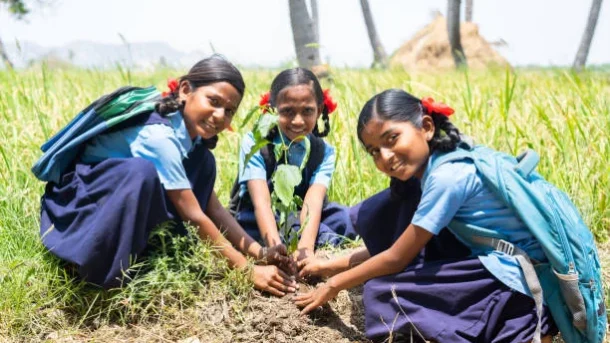
Enhancing Agricultural Education: Improving the standard and applicability of agricultural education in India is the main objective of agricultural educations program. This entails improving agricultural universities, colleges, and institutes, encouraging research and development initiatives, and encouraging partnerships with national and international institutions to offer agricultural students a top-notch education and training.

Enhancing Extension Services: Agricultural extension efforts seek to enhance extension services and make it easier for farmers and other stakeholders to access technology, expertise, and best agricultural practices. This entails educating and empowering extension staff, creating cutting-edge extension strategies, and creating efficient channels of communication between researchers, extension staff, and farmers.

Agricultural education and extension programs place a strong emphasis on encouraging sustainable farming methods that maximize resource utilization, boost output, and guarantee environmental sustainability. Information on organic farming, conservation agriculture, integrated pest management, water management, and climate-smart agricultural techniques are some of the topics covered in this.

Farmer Empowerment: The projects’ goal is to give farmers the knowledge, expertise, and information they need to make wise decisions regarding their farming methods. This involves educating farmers on cutting-edge farming methods and farm management, financial literacy, marketing tactics, and other matters that help them enhance their overall standard of living.

Which government program provides financial assistance for the establishment of seed processing units?

seed processing

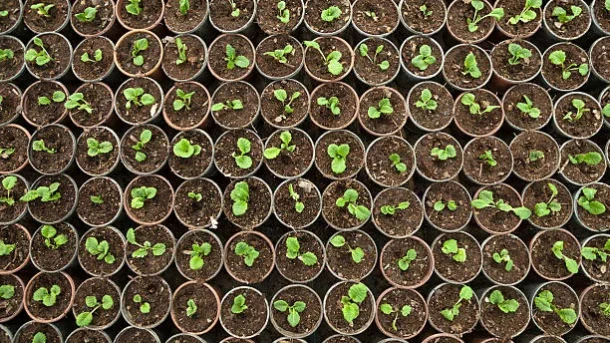
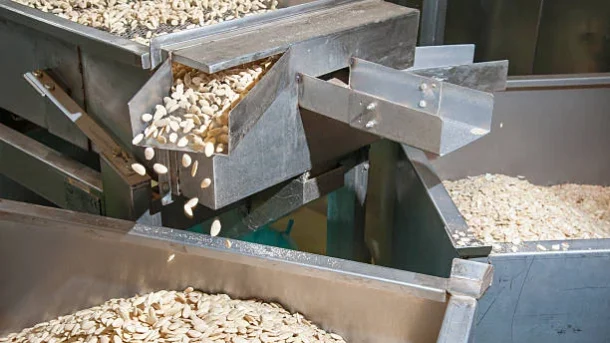
The “National Horticulture Mission” (NHM) is one government initiative that offers financial support for the creation of seed processing facilities in India. The Ministry of Agriculture and Farmers Welfare, Government of India, implements the National Horticulture Mission, commonly known as the “Integrated Horticulture Development Programme,” which is a centrally supported program.

The following elements are often covered by the financial support offered for the creation of seed processing units:

Infrastructure Development: NHM aids in the establishment and growth of seeds processing facilities. This involves offering financial support for the installation of machinery, tools, storage spaces, and other essential infrastructure elements for the processing of seeds.

The plan places a strong emphasis on capacity building and training programs for staff members and operators of seed processing units. To ensure the adoption of best practices and quality control measures, it offers training on seeds processing methods, quality standards, post-harvest management, seed testing, and certification.

Quality Control and Certification: NHM encourages the adoption of procedures for seed certification and quality control. It supports programs relating to maintaining seed quality, genetic purity, and seed health standards as well as seed testing labs, seed certification organizations, and allied organizations.

Market Linkages and Value Chains: The program supports the growth of seed-related market linkages and value chains. To improve market access and encourage the selling of high-quality seeds, it focuses on establishing connections between seed processing facilities and seed buyers, distributors, and seed businesses.

What is the purpose of the Agricultural Marketing Infrastructure (AMI) scheme?

Agricultural Marketing Infrastructure

Initiatives to improve the infrastructure for agricultural marketing typically have the following goals and purposes:

The development of physical market infrastructure, such as wholesale markets, mandis, market yards, cold storage facilities, warehouses, packaging facilities, and transportation infrastructure, is the goal of these projects. The objective is to offer farmers quality market facilities that fulfill standards, lessen post-harvest losses, and promote effective trade.

Market Information Systems: Building and bolstering market information systems is a focus of initiatives related to agricultural marketing infrastructure. To give farmers access to current market information, pricing trends, and demand-supply dynamics, this includes the creation of market intelligence networks, price reporting systems, digital platforms, and information dissemination techniques.

Market Linkages and Value Chains: The efforts seek to build value chains for agricultural products as well as market linkages. To increase market access and guarantee fair prices for farmers, this entails connecting farmers with wholesale marketplaces, retail chains, food processors, exporters, and other market participants. Initiatives to promote product diversity, value addition, and market-driven farming methods are also included.

Agricultural marketing infrastructure initiatives frequently place a strong emphasis on promoting quality standards and certification programs for agricultural products. This guarantees that farmers may access premium markets and that their products meet the necessary quality criteria and food safety regulations. In order to guarantee adherence to quality standards, it entails offering training, assistance, and certification procedures.

What is the main objective of the National Mission on Sustainable Livelihoods (NMSL)?

National Mission on Sustainable Livelihoods

The National Rural Livelihoods Mission’s (NRLM) primary goals typically consist of:

Alleviation of Poverty: NRLM aims to alleviate poverty by offering rural households alternatives for sustainable livelihoods. Through a variety of measures, it works on boosting income-generating activities, encouraging entrepreneurship, and generating job possibilities.

The mission places a strong emphasis on social mobilization and capacity building for rural areas. It encourages the creation of Self-Help Groups (SHGs) and offers training, capacity-building, and skill-development initiatives to empower rural households, particularly women, with information and skills for improving their standard of living.

Financial Inclusion and Credit Access: NRLM places a strong emphasis on encouraging financial inclusion and ensuring rural households have access to credit. It offers financial aid, credit connections, and microfinance services, and it promotes the development and growth of SHGs.

Livelihood Diversification: The mission promotes several income-generating activities in industries such agriculture, livestock, fisheries, non-farm enterprises, and skill-based trades in order to encourage livelihood diversification. In order to generate chances for sustainable livelihoods, it encourages the growth of market connections, value chains, and enterprise promotion.

Convergence and cooperation: In order to effectively utilize resources and support livelihood initiatives, NRLM supports convergence and cooperation with various government programs, schemes, and stakeholders. To increase the impact of livelihood programs in rural areas, it promotes cooperation with other departments, institutions, and agencies.

Which scheme focuses on promoting the use of renewable energy in agriculture?

renewable energy

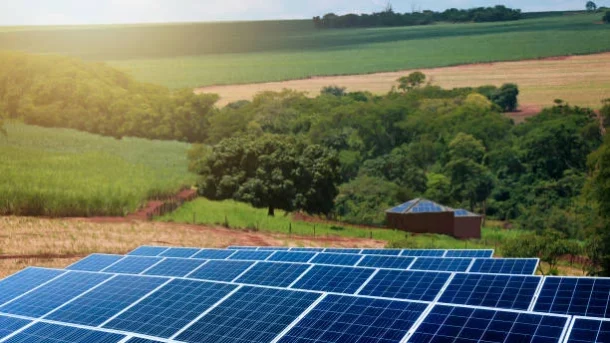
The “Kisan Urja Suraksha evam Utthaan Mahabhiyan” (KUSUM) program promotes the use of renewable energy in agriculture in India. The Ministry of New and Renewable Energy of the Government of India runs the centrally-sponsored KUSUM program.

The Kisan Urja Suraksha evam Utthaan Mahabhiyan scheme’s primary goals are as follows:

Installation of Solar Pumps: The program encourages the installation of solar pumps for agricultural fields that need irrigation. In order to reduce reliance on fossil fuels and provide a sustainable and affordable source of energy for irrigation, it intends to replace diesel or grid-powered pumps with solar-powered ones.

Solarization of Grid-Connected Agricultural Pumps: KUSUM supports solarizing Grid-Connected Agricultural Pumps. It encourages the installation of solar panels on land used for farming.

Off-Grid Solar Applications: The program’s main objective is to install off-grid solar applications in rural regions, such as freestanding solar pumps, cold storage units driven by the sun, dryers, and fencing. These programs support agricultural energy efficiency and assist farmers fulfill their energy needs.

Financial Assistance: KUSUM offers financial assistance for the installation of solar pumps and other renewable energy systems in agriculture in the form of capital subsidies, incentives, and loans. It aims to lower farmers’ upfront expenses and facilitate the adoption of renewable energy technology, making them accessible and affordable to them.

What is the primary goal of the National Mission on Seeds and Planting Material (NMSPM)?

Seeds and Planting Material

Please accept my apologies, but I am not aware of any official project by the name of “National Mission on Seeds and Planting Material” (NMSPM). The project you described might not be well known or a part of the generally acknowledged government initiatives or missions in India. It’s crucial to keep in mind that my knowledge cutoff date is in September 2021, and that there might have been modifications or new projects since then.

If such a mission existed, the following would presumably be its main objectives:

Providing Farmers with Access to High-Quality Seeds: The mission strives to provide farmers with access to seeds and planting Material supplies of the highest caliber. In accordance with the regulatory framework, this involves promoting the production, certification, and distribution of improved seed varieties, including hybrid and genetically modified (GM) seeds.

Increasing Seed Replacement Rate: The goal of the mission can be to raise the percentage of old seeds that are replaced with new seeds each crop season, or seed replacement rate. It tries to dissuade farmers from using old, low-yielding seed types and to promote farmers’ adoption of improved seed varieties.

Developing a Stronger Seed Infrastructure: The mission would likely focus on developing a stronger seed infrastructure, including seed processing units, seed storage facilities, and seed testing laboratories.

Research and development: The mission may give priority to initiatives involving seeds and planting supplies. It can entail encouraging scientific investigation, creativity, and the creation of novel seed technologies, such as biotechnology and genetic engineering, for better agricultural production, pest and disease resistance, and climatic adaptation.

Name a government program that provides financial assistance for the construction of farm ponds and wells.

farm ponds and wells

The “Pradhan Mantri Krishi Sinchayee Yojana” (PMKSY) is one government initiative that offers financial support for the development of farm ponds and wells in India. The Ministry of Agriculture and Farmers Welfare, Government of India, implements the PMKSY, a centrally supported program, with the goal of guaranteeing water security and enhancing irrigation effectiveness in agriculture.

The following elements are commonly covered by the financial aid given for the construction of agricultural wells and ponds:

Costs of construction: PMKSY provides farmers with financial assistance for building agricultural ponds and wells. This help pays for the costs of excavation, lining, bunding, building supplies, and other costs related to constructing the water storage structures.

Technical Advice: The plan gives farmers technical advice on the layout, building, and operation of farm ponds and wells. To ensure correct use and upkeep of these water storage facilities, it provides training programs, demonstrations, and extension services.

Building capacities: PMKSY focuses on helping farmers enhance their capacities and skills in water management methods. It offers education and outreach initiatives on the effective use, conservation, and upkeep of agricultural ponds and wells. This aids farmers in bettering their irrigation techniques and maximizing water supplies.

Convergence with Other Programs: The program encourages convergence with other federal initiatives, such as the Mahatma Gandhi National Rural Employment Guarantee Scheme (MGNREGS), to offer more assistance for the development of agricultural ponds and wells. Farmers can take advantage of resources from many sources in this way, increasing the efficiency of the infrastructure for water storage.

Which scheme aims to promote the cultivation of medicinal plants in India?

cultivation of medicinal plants

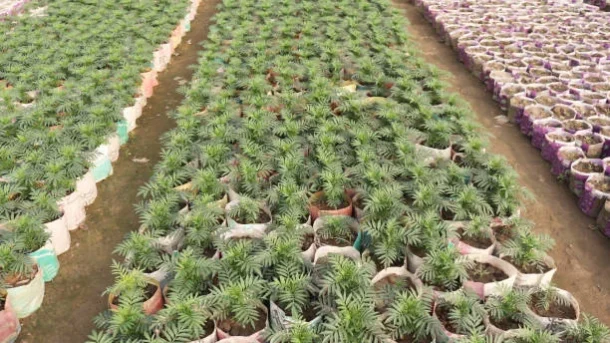
The “National Medicinal Plants Board (NMPB) Scheme” is one program that tries to encourage the development of medicinal plants in India. The National Medicinal Plants Board, an agency of the Government of India’s Ministry of Ayurveda, Yoga & Naturopathy, Unani, Siddha, and Homoeopathy (AYUSH), implements a number of policies and initiatives to encourage the growth, preservation, and sustainable cultivation of medicinal plants.

The National Medicinal Plants Board Scheme’s primary goals are as follows:

Therapeutic Plant Cultivation: The program’s main objective is to encourage the nationwide cultivation of therapeutic plants. It offers assistance with setting up nurseries, growing medical plants in designated locations, and using good agricultural practices (GAPs) for growing medicinal plants.

The plan has a strong emphasis on capacity building and training programs for farmers, business owners, and other parties involved in the cultivation of medicinal plants. It offers instruction in a variety of topics, such as nursery management, plant propagation methods, organic farming techniques, post-harvest handling, and medicinal plant value addition.

Research and Development: The program funds initiatives in the study and cultivation of medicinal plants. It encourages scientific research, the recording of traditional knowledge, the preservation of rare and endangered medical plant species, and the creation of novel medicinal plant cultivars with enhanced properties.

The plan’s primary areas of focus are market promotion and the development of the value chain for medicinal plants. It backs programs to create market connections, improve farmers’ and collectors’ access to markets, and promote to farmer.

What is the purpose of the Interest Subvention Scheme for farmers in India?

Interest Subvention Scheme

The Interest Subvention Scheme for Farmers in India was created with the intention of assisting farmers financially and easing the strain of high interest rates on agricultural loans. The program’s goal is to increase farmers’ access to and affordability of agricultural financing, which will boost agricultural productivity, lessen stress, and improve their general well-being.

The Interest Subvention Scheme primary goals typically consist of:

Reduced Interest Rates: The program offers interest rate subvention, which lowers the actual interest rate applied to loans for agricultural purposes. By offering an interest rate subsidy or subvention on the applicable interest rate for a set length of time, it tries to reduce the cost of loan for farmers.

Timely and Adequate Credit: The program makes sure that timely and adequate credit is available.

Promotion of Priority Sector loans: Under this program, banking institutions are required to direct a certain portion of their overall loans into agriculture and related industries. It encourages banks to reach their lending goals for agriculture and makes it easier for small and marginalized farmers to get finance.

The program places a strong emphasis on inclusive financing and makes sure that disenfranchised small farmers, particularly women farmers and those from underprivileged backgrounds, have access to credit at reasonable rates. Its goal is to lessen financial exclusion and encourage financial inclusion among farmers.