Beneficial organisms

What are the key factors affecting crop growth and development?

development

Crop development and growth are influenced by several important elements. Depending on the particular crop, the surrounding environment, and management techniques, these variables can change. Here are a few of the most important elements:

Light: Photosynthesis, the process by which plants transform light energy into chemical energy to support their growth, depends on light. Numerous elements of plant growth, including the formation of leaves, flowering, and fruiting, are influenced by the kind, intensity, and duration of light. varying crops have varying needs for light, and too little or too much light might impede their growth.

Temperature: Temperature has an impact on how quickly biochemical processes occur in plants, which in turn impacts their growth and development. Each type of crop has a particular temperature range in which it can grow. Germination, flowering, pollination, fruit set, and ripening are all impacted by temperature. 

Water availability: For crops to thrive, there must be enough water available. Water is necessary for photosynthesis, nutritional absorption, and nutrient transfer inside of plants. Drought stress, often known as insufficient water, can cause diminished growth, wilting, and even crop loss. On the other hand, excessive moisture or poor drainage can result in waterlogging, which harms roots and robs them of oxygen.

Fertility of the soil and nutrients: For proper growth and development, plants need a variety of nutrients. These include micronutrients like iron (Fe), zinc (Zn), and manganese (Mn), as well as macronutrients like nitrogen (N), phosphorus (P), and potassium (K). Crop growth is directly impacted by the availability and balance of these nutrients in the soil. To achieve the nutrient requirements, proper soil fertility management is necessary, including the use of fertilizers or organic amendments.
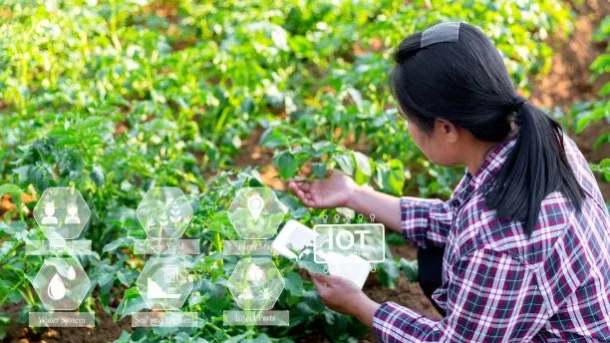
What is plant breeding and how has it advanced in recent years?

plant breeding

The science and practice of plant breeding involve creating new plant types with desired features through managed breeding techniques. In order to combine the desired features in the offspring, it entails choosing parent plants with desirable properties and crossing them. Plant breeders strive to produce improved varieties through generations of breeding and selection that display characteristics including increased yield, disease resistance, improved nutritional value, tolerance to environmental challenges, and better agronomic performance.

Plant breeding has been transformed by the development of genomic technologies such as high-throughput DNA sequencing and molecular markers. Breeders can use these techniques to locate and examine particular genes and DNA markers linked to desirable features. As a result, breeding programs can be more precisely and successfully. This enables more targeted breeding efforts, quicker trait introgression, and the development of marker-assisted selection (MAS) techniques.

Biotechnology and genetic engineering: The possibilities for plant breeding have been increased by genetic engineering techniques like gene editing (for example, CRISPR-Cas9). With the aid of these technologies, particular genes can be precisely altered to add or enhance desired features. Crops with features like herbicide tolerance, disease resistance, and increased nutritional value have been created through genetic engineering.

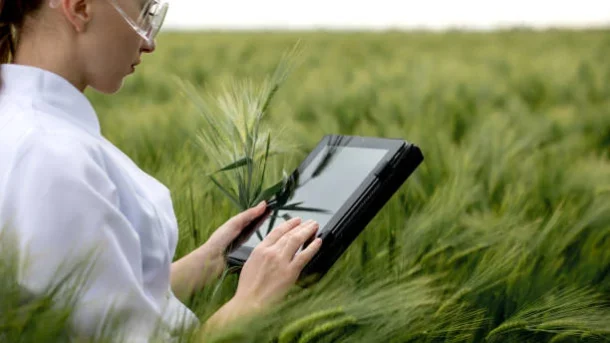
High-throughput phenotyping is the quick and non-destructive evaluation of plant features on a large scale. It is made possible by advancements in remote sensing, image technology, and robots. Breeders may analyze and choose plants with desired features more effectively and precisely thanks to this technology. By making it possible to screen bigger populations and identify superior varieties with particular features, it quickens the breeding process.

Plant breeders today have access to enormous volumes of data, including genomic data, phenotypic data, environmental data, and historical breeding records. This is known as big data and data analytics. Breeders may examine complicated statistics to understand the genetic basis of traits, anticipate performance, and make well-informed breeding decisions by utilizing data analytics, machine learning, and artificial intelligence. Big data methodologies support data-driven.

 How can blockchain enhance traceability and transparency in the food supply chain?

traceability and transparency

Blockchain technology offers a decentralized, unchangeable, and secure mechanism for storing and exchanging data, which has the potential to improve traceability and transparency in the food supply chain. Here are a few ways blockchain might enhance traceability and transparency:

Supply chain visibility is made possible by blockchain, which enables the development of a digital ledger that tracks each transaction and movement of food supplies. Farmers, processors, distributors, retailers, and consumers are just a few of the parties who have access to and can verify this decentralized ledger. As a result, the entire supply chain is visible, enabling all parties to track and trace the location of food goods as well as their production, transit, and storage operations.

Product authentication: By providing a tamper-proof record of each product’s travel, blockchain can assist fight food fraud and counterfeiting. Customers and sellers may confirm the legitimacy and quality of the goods they buy by recording information about the product’s origin, certificates, quality testing, and other pertinent details on the blockchain. This strengthens the supply chain’s credibility.

Assurance of quality and safety: Blockchain can make it possible to monitor crucial variables in real-time, including temperature, humidity, and storage conditions. Blockchain technology allows for the immutable recording and storage of data related to these characteristics using IoT sensors and devices. At any stage in the supply chain, this information is accessible, ensuring that food products are transported and stored properly to maintain their quality and safety.

What are the benefits of aquaponics?

aquaponics

Comparing aquaponics to hydroponics or standalone aquaculture, as well as traditional agriculture, there are various advantages. The following are some of the major advantages of aquaponics:

Utilizing resources effectively: By integrating plant and fish cultivation in a symbiotic system, aquaponics increases resource efficiency. By recycling the nutrients in fish waste and using them as fertilizers for plant growth, the demand for external inputs like synthetic fertilizers is decreased. Water is continuously recirculated between the fish tanks and the plant beds in the closed-loop system to reduce water usage. Aquaponics is incredibly sustainable and environmentally benign due to this effective resource usage.

Water usage is decreased since aquaponics need so little water to operate. With just minor water losses from evaporation and transpiration, the system continuously recycles the water. 

Produce that is chemical- and organic-free: Aquaponics encourages organic farming methods because it does away with the need for artificial fertilizers, pesticides, and herbicides. Natural nutrients from fish waste are used by plants to develop, and the plants also serve as a biological filter to clean the water for the fish. Produce produced as a result is chemical-free and naturally cultivated, which may appeal to consumers looking for wholesome and sustainable food options.

Crop production all year round: Aquaponic systems can be installed in climate-controlled spaces like greenhouses or indoor facilities. This makes crop production year-round and independent of seasonal changes and outside weather conditions. Farmers can establish ideal growth conditions by regulating the temperature, humidity, and lighting, providing a steady supply of fresh vegetables all year long.

How does aquaponics combine fish farming and plant cultivation?

fish

Hydroponic plant cultivation and fish farming are combined in aquaponics to create a symbiotic ecosystem that benefits both the plants and the fish. These two elements are combined in aquaponics as follows:

Aquaculture, or the raising of fish:

In tanks or ponds, fish are raised as a source of protein and as a source of revenue.

The fishes excrete solid waste and urine that is high in ammonia.

Ammonia is transformed by helpful bacteria in the system into nitrites, which are then converted into nitrates, which are nutrients for plants.

Growing plants in hydroponic systems:

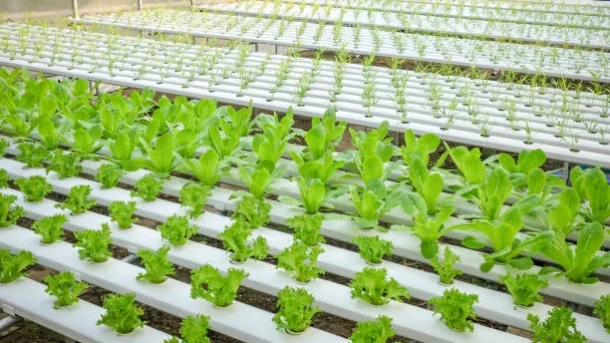
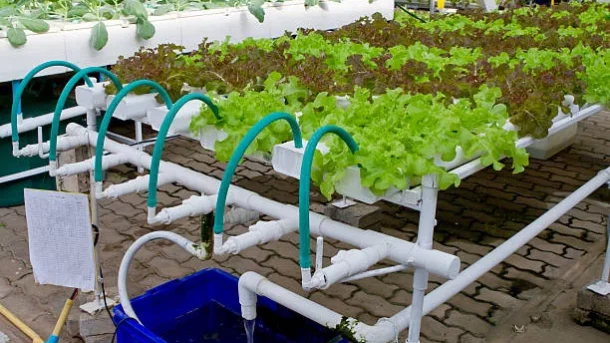
In a soilless media like gravel, expanded clay pellets, or a floating raft system, plants are grown.

The plants are positioned in grow beds or channels with nutrient-rich water flowing over their roots.

The nutrients from fish excrement are cycled in the water too.

Following is a succinct summary of the symbiotic relationship between fish and plants in aquaponics:

Exchange of nutrients: The ammonia-containing fishes feces serves as a source of nitrogen for the plants. Beneficial bacteria transform ammonia into nitrites and nitrates. The plants use these nitrates as their main source of nutrition, which helps to accelerate their growth.

Water filtration and purification: Plants serve as natural filters that remove harmful impurities like ammonia and excess nutrients from the water. The roots of the plants collect nutrients as the water flows through the plant beds, purifying and enhancing the water’s quality. A continuous cycle is then maintained by returning the cleansed water to the fish tanks.

What is aquaponics?

aquaponics

Aquaponics is a sustainable farming technique that integrates hydroponics (soilless plant cultivation) and aquaculture (fish farming) in a mutually beneficial system. In a closed-loop system, the plants serve as a natural filter to clean the fish’s water while the fish’s excrement supplies nutrients to the plants. It is a holistic and environmentally responsible method of food production.

Aquaponics’ main components and advantages include:

Aquaponics uses the nitrogen cycle to recycle nutrients in a closed-loop system. The primary source of nutrients for the plants is fish feces, and when the plants absorb the nutrients, they filter the water and remove dangerous contaminants. Aquaponics is an environmentally sustainable agricultural technique because the closed-loop system decreases nutrient runoff and reduces the need for external fertilizers.

Water efficiency: When compared to conventional agriculture, aquaponics uses a lot less water. The system continuously circulates water, with only a small amount of water being lost to evaporation and transpiration. Due to water conservation and recycling within the system, aquaponics utilizes up to 90% less water than soil-based farming.

Production of fish and plants together is possible with aquaponics, which enables the growth of both in the same system. The plants profit from the nutrient-rich water and grow without soil while the fish serve as a source of protein and earn money. A symbiotic relationship is created when fish and plants are combined in one system, which encourages effective resource use and lowers waste.

Less dependency on outside inputs: Aquaponics reduces the need for artificial fertilizers and pesticides. A natural and organic source of plant nutrients, fish excrement is rich in nutrients. Furthermore, the closed-loop system lessens the possibility of nutrient leaking and runoff, making aquaponic a sustainable and environmentally benign agricultural technique.

What is the main objective of the National Mission on Sustainable Livelihoods (NMSL)?

Livelihoods

It’s crucial to remember that several government initiatives, missions, and programs are frequently launched and revised to address the demands and difficulties associated with sustainable livelihoods. These programs frequently work to improve people’s quality of life through encouraging entrepreneurship, skill development, income production, and social welfare.

Referring to official government sources, pertinent ministries, or local development organizations would be advised in order to get the most latest information on any specific effort connected to sustainable livelihoods.

Which scheme provides financial assistance for the establishment of marketing infrastructure for organic products?

financial

The “National Program for Organic Production” (NPOP) is one program that offers financial support for the creation of a marketing infrastructure for organic products in India. NPOP is a government program run by the Ministry of Agriculture and Farmers Welfare that aims to support organic farming methods and the growth of the nation’s organic markets.

Financial support is given under the NPOP for a number of organic product marketing infrastructure-related components. The program seeks to aid in the development of effective and reliable marketing channels that guarantee fair prices, enhanced market accessibility, and enhanced market connections for organic farmers and producers.

The specific NPOP elements that support the organic product marketing infrastructure are as follows:

Development of Organic Value Chains: The program encourages the creation of organic value chains, which entail the construction of marketing infrastructure like collection points, processing units, cold storage facilities, grading and packaging facilities, and certification and quality control labs. The establishment and improvement of such facilities are encouraged through the provision of financial aid.

Development of Organic Markets: NPOP focuses on developing organic markets by offering assistance in opening organic stores, farmers’ markets, and retail establishments that are solely devoted to selling organic goods. To raise consumer knowledge and demand, financial aid is also provided for the advertising and branding of organic products.

Market Promotion and Linkages: In order to enhance direct marketing opportunities for organic farmers, the program promotes participation in organic trade shows, exhibitions, and buyer-seller gatherings. 

Certification and Traceability: NPOP offers financial support for organic certification procedures, covering certification fees as well as costs associated with adhering to organic standards. This ensures that organic products live up to the necessary criteria for quality and authenticity, boosting customer trust and commercial adoption.

What is the primary goal of the National Mission on Agricultural Extension and Technology (NMAET)?

Agricultural Extension

The National Mission on Agricultural Extension and Technology (NMAET)’s main objectives are to improve agricultural extension services in India and encourage farmers to adopt cutting-edge agricultural technologies. Through efficient extension and technology distribution, the objective is to increase agricultural productivity, increase farmers’ income, and ensure sustainable agricultural growth.

The National Mission on Agricultural Extension and Technology’s main goals are as follows:

Enhancing the quality and scope of extension services will help NMAET achieve its goal of strengthening the current agricultural extension system. Enhancing the knowledge and abilities of extension staff, creating efficient communication channels, and employing information and communication technology (ICT) are all necessary to make it easier for farmers to receive agricultural information.

Dissemination and acceptance of technology: The objective is to encourage farmers to adopt cutting-edge agricultural technologies and best practices. By easing the flow of technology and knowledge from research centers to the field, it seeks to close the knowledge gap between farmers and academic institutions. Promoting the use of enhanced seeds, effective irrigation methods, crop management practices, mechanization, post-harvest technologies, and other innovations that help raise agricultural productivity and sustainability are a few examples of this.

NMAET places a strong emphasis on training and capacity development programs for farmers in order to improve their knowledge and abilities in contemporary agricultural methods. These training courses cover a wide range of subjects, such as methods for crop production, management of soil and water quality, control of pests and diseases, farm mechanization, value addition, and marketing tactics.

Increasing farmer empowerment through Farmer Producer Organizations (FPOs): To increase farmer empowerment, increase their negotiating power, and promote collective decision-making, the mission supports the development and strengthening of Farmer Producer Organizations (FPOs). Farmers can access inputs, loans, technology, and markets through FPOs, which helps to improve their socioeconomic circumstances.

Name a scheme that aims to promote the cultivation of pulses and oilseeds in rainfed areas.

oilseeds

The “Pradhan Mantri Annadata Aay Sanrakshan Abhiyan” (PM-AASHA) is one program that tries to encourage the growing of pulses and oilseeds in rainfed areas of India. A government program called PM-AASHA was introduced in 2018 to support farmers’ prices for pulses and oilseeds grown in rainfed regions.

Price Support Scheme (PSS): As part of PM-AASHA, the PSS component intends to give farmers a minimum support price (MSP) for their goods. In the event that market prices drop below the MSP, the government steps in to buy the crops from the farmers at the MSP in order to guarantee that their products will be paid for fairly.

Price Deficiency Payment Scheme (PDPS): Under the PM-AASHA, this alternative mechanism pays farmers directly for the shortfall between the MSP and the real market price. This program gives farmers the freedom to sell their produce on the open market, and in the event that the market price is less than the MSP, they will be compensated with a price deficiency payment.

State governments and other private parties may buy pulses and oilseeds directly from farmers at the MSP thanks to the Private Procurement and Stockist Scheme (PPSS). This program intends to include private sector involvement in procurement, providing a vibrant and open market for agricultural products.

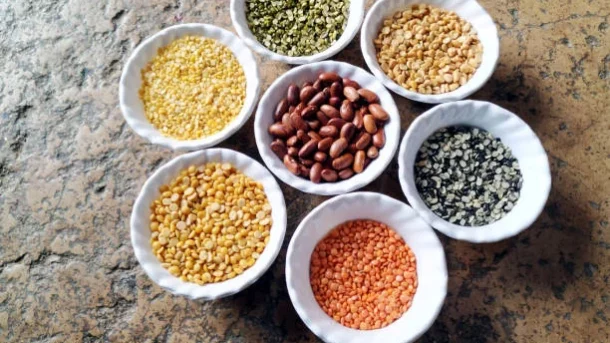
The PM-AASHA program primarily targets oilseeds (such peanut, mustard, and urad) and pulses (like gram, tur, moong, and urad).