Chemical fertilizers

How does the adoption of sustainable agricultural practices impact farm profitability?

adoption

The adoption of sustainable farming methods may have a variety of short- and long-term effects on farm profitability. Despite the fact that some sustainable approaches may initially demand greater up-front investments or modifications to farming techniques, they can eventually result in enhanced financial performance. Using sustainable agriculture methods can have the following effects on farm profitability:

Cost savings: Sustainable practices frequently place a strong emphasis on the efficient use of resources like water, energy, and fertilizers. Farmers can reduce costs and increase profit margins by maximizing inputs and minimizing waste.

Improved Soil Health: Adoption of sustainable techniques including crop rotation, cover crops, and minimal tillage encourage soil fertility. Increased crop yields and a decreased demand for expensive synthetic inputs like fertilizers and pesticides can both result from healthy soils.

Risk reduction and crop diversification are two practices that are frequently used on sustainable farms. By distributing the risks brought on by changes in the market or the weather, diversification helps lessen the impact of prospective losses.

Premium Markets: The growing desire from consumers for food that has been produced sustainably opens doors for farmers to enter premium markets. Eco-labels or sustainable certification labels may draw customers who are willing to pay more for products.

Climate resilience: Sustainable practices are frequently created to increase climate resilience. In response to harsh weather events and shifting weather patterns, farms using.

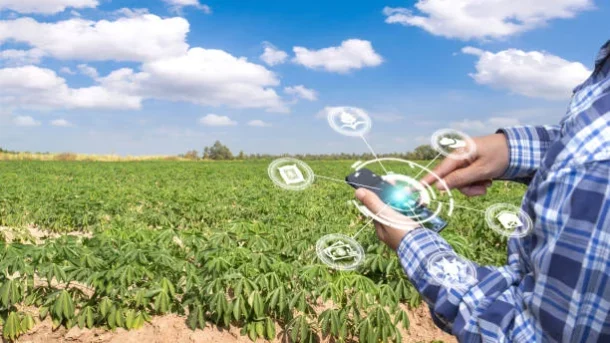
How does the use of remote sensing technology benefit the agricultural market?

remote sensing

The agricultural industry benefits greatly from the use of remote sensing technologies, which has transformed how farmers manage their crops and increased total agricultural productivity. Remote sensing is the process of gathering data about the surface of the Earth from a distance, frequently with the help of satellites, drones, or airplanes fitted with various sensors. The agriculture market benefits from remote sensing technology in the following ways:

Agriculture management techniques that are precise and targeted are made possible by remote sensing. In order to apply inputs like fertilizer, herbicides, and water more effectively, reduce waste, and maximize yields, farmers can measure the variability of their fields.

Crop Monitoring and Health Assessment: Remote sensings makes it possible to monitor crops continuously and in real time. Farmers are able to check the health of their crops, pinpoint stressors, and take timely action in the event of problems by evaluating multispectral and thermal data.

Early Pest and Disease Detection: Remote sensings can identify pest and disease symptoms before they are visible to the naked eye. Farmers can take preventative actions and reduce potential crop losses thanks to this early discovery.

Water management: Using remote sensings technologies, farmers may more precisely track water use and track the amount of moisture in the soil. This aids in cost-effective irrigation management, water resource conservation, and expense reduction.

What are the potential impacts of artificial intelligence on the agricultural market?

artificial intelligence

By bringing novel solutions that enhance production, efficiency, and sustainability, artificial intelligence (AI) has the potential to completely transform the agricultural sector. A few possible effects of AI on the agriculture market are listed below:

Precision farming uses AI-powered tools to offer real-time information on crop health, soil conditions, and weather patterns. These tools include drones, satellite photography, and remote sensing. With the help of this information, farmers can utilize precision farming techniques to boost crop yields and optimize resource consumption, such as the targeted application of pesticides and fertilizers.

Crop Management: AI algorithms can evaluate massive volumes of data from sensors and IoT devices to track crop growth, identify diseases, and anticipate pest infestations. Crop losses can be avoided, and total farm output can be raised, with the help of early identification and management.

Automated equipment and robotics: AI can facilitate the creation of self-driving equipment and robots that can do a variety of agricultural jobs, such as planting, harvesting, and weeding. Automation can save labor expenses and help with the agricultural labor crisis.

Climate Prediction and Adaptation: In order to make more precise predictions of climate trends, Artificial Intelligence can examine historical weather data and climate models. With the aid of this knowledge, farmers can modify their methods in response to varying weather patterns and lessen the negative effects of climate change on agriculture.

How does the adoption of precision agriculture technologies affect farm profitability?

precision agriculture

By enhancing productivity, lowering input costs, maximizing resource utilization, and raising yields, the adoption of precision agriculture technologies can have a substantial beneficial influence on farm profitability. Using cutting-edge technology, data analytics, and real-time monitoring, precision agriculture enables knowledgeable and site-specific decisions to be made about farming operations. The following are some ways that implementing precision agricultural technologies can raise farm profitability:

Optimum Resource Use: Precision agricultural technology allow farmers to apply inputs like water, herbicides, and fertilizers precisely where they are needed. Farmers can limit waste and lower input costs, which will result in cost savings and enhanced profitability, by using these resources only where and when necessary.

Increased Yield: Through the use of precision agriculture, farmers can recognize variability in their fields and adjust their management strategies as necessary. This focused strategy can boost crop health and production, resulting in greater yields and more substantial profits.

Reduced Environmental Impact: Precision agriculture can support environmental sustainability by maximizing input utilization and minimizing chemical application. The reputation of the farm and its goods can thus be enhanced, which may result in premium pricing and competitive advantages in the market.

Real-time monitoring: Farmers may access real-time information on crop health, soil conditions, and weather thanks to precision agricultural tools. With the aid of this information, farmers are able to react quickly to shifting environmental factors, avoiding or minimizing potential problems that can adversely affect yields and profitability.

How are agricultural subsidies and support programs distributed globally?

subsidies

Global distribution of agricultural assistance and subsidy schemes is achieved through a confluence of national and international legislation. Depending on each nation’s agricultural interests, economic situation, and trade agreements, the distribution and types of subsidies vary widely. The following are some typical methods used to disseminate agricultural support and subsidy programs across the globe:

Domestic Subsidies: To boost their agricultural sectors, the majority of nations offer domestic subsidies. These subsidies may be designed to directly aid farmers financially, support a certain agricultural technique, increase production, or stabilize farm incomes. Direct payments, price support mechanisms, input subsidies (such as for fertilizer and seeds), and risk management programs (such as crop insurance) are all examples of domestic subsidie.

Export Subsidies: Some nations provide export subsidie to increase the competitiveness of their agricultural products on world markets. In order to lower the cost of exporting agricultural products, exporters may receive financial aid or incentives.

Market Price Support: To maintain the pricing of agricultural commodities, governments may employ market price support schemes. These schemes entail buying excess produce from farmers at set rates or becoming involved in the market to stabilize prices.

Input Subsidies: To help farmers afford the cost of agricultural inputs including fertilizer, seeds, herbicides, and machinery, several nations offer input subsidie. Input subsidie are intended to increase productivity and increase the economic viability of agricultural production.

Support for Rural Development and Infrastructure: Governments may make investments in rural development in addition to providing direct payments to farmers.

How does the use of IoT (Internet of Things) technology benefit the agricultural market?

Internet of Things

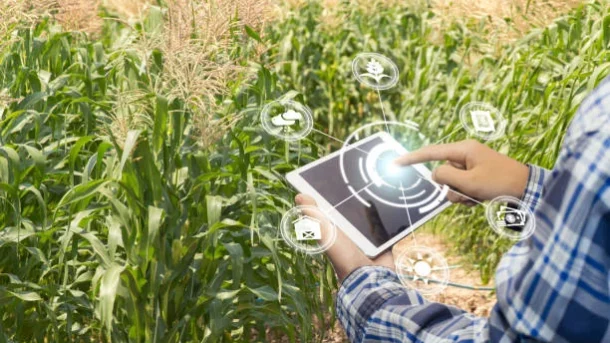
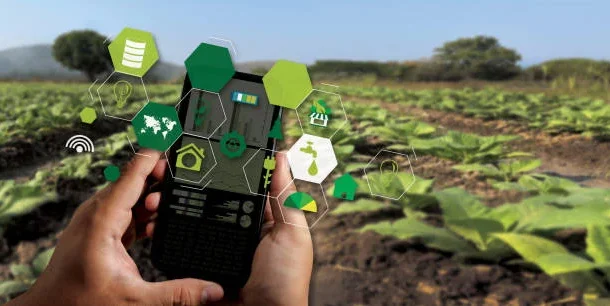
The utilization of IoT (Internet of Things) technology provides creative solutions to multiple difficulties faced by farmers and agribusinesses, which has a number of advantages for the agricultural industry. IoT technology comprises the internet-based integration of sensors, devices, and data analytics to track, gather, and analyze real-time data. IoT has the power to completely change the agricultural industry by increasing productivity, sustainability, and efficiency. IoT helps the agriculture market in the following ways:

Precision Agriculture: Using real-time data, farmers can customize inputs like water, fertilizer, and herbicides to their specific needs. It is possible to precisely and effectively regulate resource use by using sensors to track soil moisture, temperature, and nutrient levels.

Real-time Monitoring: Farmers can use IoT devices to remotely and continuously monitor their crops, livestock, and environmental factors. This aids in making quick decisions and acting quickly in situations like spotting early symptoms of sickness or pests.

Water management: IoT-based irrigation systems can reduce water waste and resource consumption by delivering the appropriate amount of water to crops depending on their individual demands.

Monitoring of livestock: IoT sensors can keep tabs on the condition, activity, and position of livestock, offering information about their well-being, enhancing feeding procedures, and enhancing general herd management.

IoT weather stations capture and communicate weather data, giving farmers precise and localized weather forecasts to help them properly plan their farming activities.

How does the fluctuation in oil prices affect the agricultural market?

oil prices

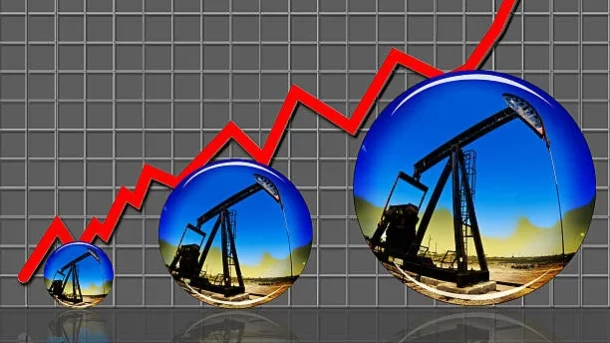
Due to the intimate ties between energy and agriculture, fluctuations in oil prices can have a considerable impact on the agricultural market. Changes in oil prices can affect production costs, transportation costs, and overall market dynamics because oil is a crucial component in agriculture. Here are a few ways that changes in the price of oil impact the agricultural market:

Costs of input: Oil, which is needed to power tractors, irrigation systems, and other machinery, is a key input in agriculture. Farmers’ production expenses increase as a result of rising oil prices, which may have an effect on their profitability and production choices.

Prices of fertilizers: The manufacture of synthetic fertilizers, which are extensively utilized in contemporary agriculture, requires a lot of energy and is reliant on oil and natural gas. Consequently, changes in the price of oil might have an impact on the price of fertilizer, which

Transporting agricultural goods from farms to markets and customers requires the use of trucks, ships, and airplanes, all of which run mostly on oil. Increased transportation expenses brought on by higher oil prices may be passed on to consumers as higher food prices.

Global commerce and Food Security: Changes in the price of oil can have an impact on the cost of international shipping and the commerce in agricultural products worldwide. Agricultural exports and imports may become less competitive as a result of rising transportation costs, which may have an impact on the availability and security of food in importing nations.

How are subsidies affecting agricultural production and trade?

agricultural production

The conduct of farmers, the competitiveness of agricultural products on the global market, and the overall dynamics of the agricultural sector are all impacted by subsidies, which have a considerable impact on agricultural production and trade. Subsidies can have complex consequences that change according on the type, size, and particular agricultural situation. Subsidies have the following effects on agricultural commerce and production:

Production Incentives: Farmers are frequently given financial assistance through subsidies, which motivates them to produce more. As farmers are driven to boost production to take advantage of the financial aid, these incentives may result in greater agricultural output and higher yields.

Crop Selection: Some subsidies may be intended for a particular crop or class of goods. This may have an impact on farmers’ choices of crops.

Price Support: By establishing a minimum price for some commodities, price support subsidies seek to stabilize the price of agricultural products. This may effect agricultural production and trade dynamics and production choices, leading to surpluses that affect market pricing globally.

Trade Distortion: Agricultural products with subsidies may be more competitive than those from nations without subsidies since they can be purchased on international markets for less money. This may result in trade conflicts and market distortions that have an impact on farmers’ lives in non-subsidizing nations.

Environmental Impact: Some incentives could encourage behaviors that are harmful to the environment, including using excessive amounts of water or fertilizer. Environmental deterioration and resource depletion may result from this.

What are the challenges in implementing sustainable agricultural practices in developing countries?

implementing sustainable

Economic, social, and environmental considerations might make it difficult to implementing sustainable agriculture techniques in underdeveloped nations. Depending on the unique circumstances of each nation, these difficulties can vary, however some typical roadblocks include:

Limited Access to Resources: In developing nations, smallholder farmers frequently have trouble getting access to basic resources including land, water, high-quality seeds, fertilizer, and agricultural inputs. Adoption of sustainable methods may be hampered by high costs and limited supply.

Financial Restrictions: Many farmers in poor nations have financial restrictions when investing in environmentally friendly techniques and technologies due to their restricted access to credit. They could be unable to buy equipment or implement sustainable practices because of a lack of funding, which could result in higher initial costs.

Education and Awareness: Farmers and rural communities may have insufficient knowledge and awareness of sustainable agriculture practices. The adoption of implementing sustainable practices must be encouraged through educational outreach and capacity-building initiatives.

Traditional Farming Methods: Some rural communities have a strong heritage of using old-fashioned farming techniques that may not be viable. It might be difficult to persuade farmers to switch to new and unorthodox sustainable techniques.

Infrastructure and Technology: The adoption and implementation of sustainable practices can be hampered by inadequate infrastructure, particularly inadequate roadways, transportation, and storage facilities. Farmers can also find it difficult to learn about and use sustainable practices if they have restricted access to technology and the internet.

What is the role of agribusiness companies in the agricultural market?

agribusiness

Due to their involvement in many parts of the agricultural value chain, agribusiness enterprises are essential in the agricultural industry. These businesses operate at various stages, from input production and supply to agricultural product processing, distribution, and marketing. In the agriculture market, agribusiness enterprises play the following major roles:

Technology and Input Supply: Agribusines firms supply farmers with necessary inputs like seeds, fertilizer, insecticides, and agricultural equipment. Additionally, they make investments in R&D to create enhanced crop types and cutting-edge agricultural technologies.

Agribusiness firms provide farm management services to farmers, offering them agronomic guidance, soil testing, crop monitoring, and precision agriculture techniques to maximize output and resource efficiency.

Production and agro-processing: Agribusiness firms can either carry out their own agricultural production or hire farmers to grow their crops and rear their livestock. They also transform unprocessed agricultural materials into value-added goods including food, drinks, and biofuels.

Market Access and Distribution: Agribusiness firms are essential in bridging the gap between farmers and markets. They offer storage facilities, logistics, and distribution networks to make sure that agricultural products get to consumers quickly.

Agribusiness firms provide farmers with risk management tools, such as crop insurance and weather risk protection, to help them lessen the impact of unplanned events on their output and income.