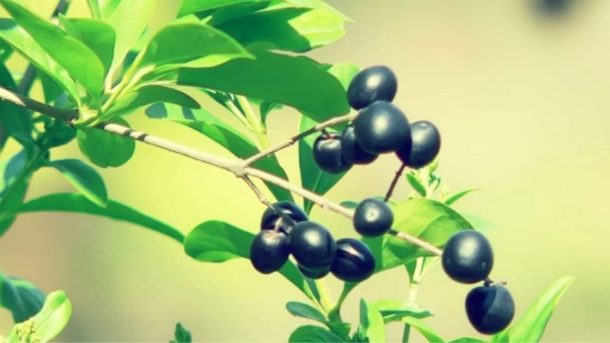
Olives grow in the region with sub-tropical and temperate climatic conditions. Hot weather conditions without much shade are suitable for olives. The trees need full sun and light winter chill for the production of fruit. Extremely low temperatures ( -10°C) can damage the mature trees. The average rainfall of the region should be around 650 -900 mm.
climate
Which is best planting season for Ivy gourd?
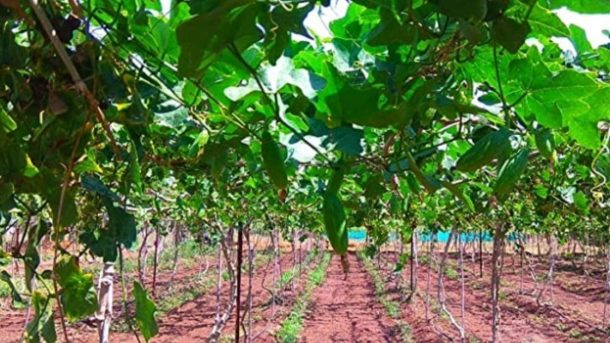
The planting should be done before rainy season / monsoon start (June to July) or in the spring season (Feb to Mar). The ratio of female to male population in a field should be 10:1. As the ivy gourd plants are perennial, replanting is recommended after every 4 years. The plant vine should be supported by 2-meter bamboo sticks.
Which climate is suitable to grow Ivy gourd?
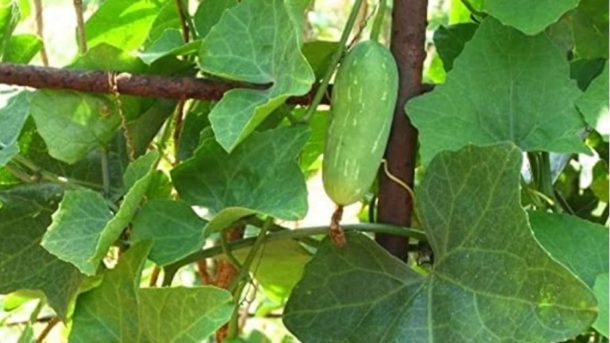
This vegetable crop thrives best in humid and warm climatic conditions. The ideal temperature range of 20°C to 32°C is best for its growth, quality and good yield. This vegetable can be cultivated throughout the year. However, peak seasons of fruiting are rainy season and summer.
What are the climatic conditions required for cinnamon plantation?
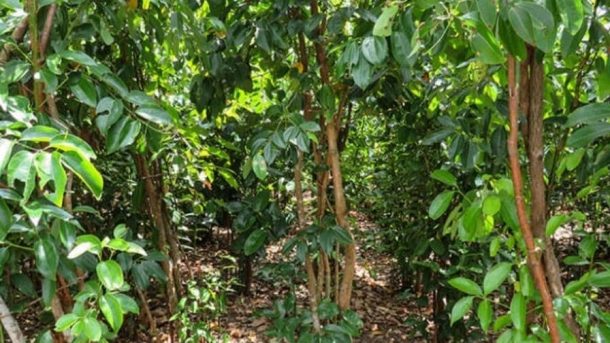
Cinnamon is commercially cultivated as a rainfed crop and being a hardy plant, Cinnamon is suitable for a wide variety of climatic conditions. It thrives well at an altitude of about 1000 m and a yearly rainfall of 200- 250 cm is suitable for cinnamon cultivation. Cinnamon requires a hot and humid climate and an average temperature of 27°C are ideal for its cultivation.
How high relative humidity affects plants ?
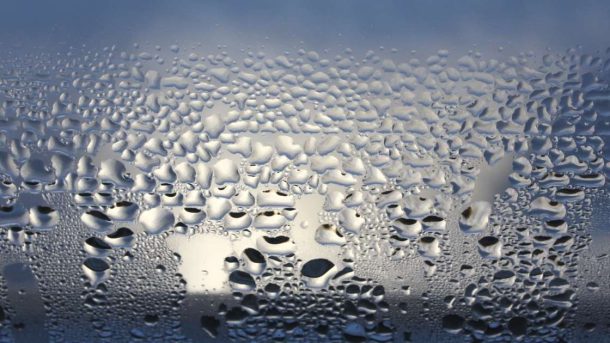
Very high relative humidity reduces evapotranspiration, increases heat load of plants and results in stomatal closure. It causes reduced CO2 uptake and reduced transpiration influences translocation of food materials and nutrients. Moderately high RH of 60-70% is beneficial. Low RH increases the evapotranspiration
What are the effect of relative humidity on crop ?
Relative humidity (RH) has a direct impact on plant water relations and has an indirect impact on leaf growth, photosynthesis, pollination, disease occurrence, and, ultimately, economic production. Because there is less transpiration when the humidity is low, the turgor pressure is high. As a result, leaf elongation is common in humid environments. RH has an indirect effect on photosynthesis. When the relative humidity (RH) is low, transpiration rises, resulting in water deficiencies in the plant. Many crops benefit from moderately low air humidity, as long as the soil moisture supply is adequate. Insect pests and diseases are more common in high-humidity environments.
What’s the impact of acid rain ?
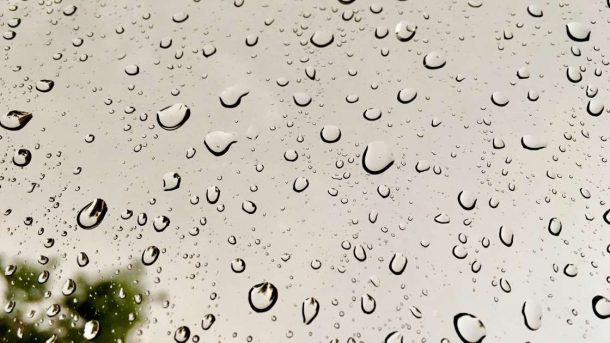
Acid rain results in acidification of soil and lakes , deterioration of buildings made of rocks ,and deterioration of trees and forests . Acid rain causes contamination of water sources due to seperation of poisonous minerals such as aluminum and mercury from the surrounding ground.