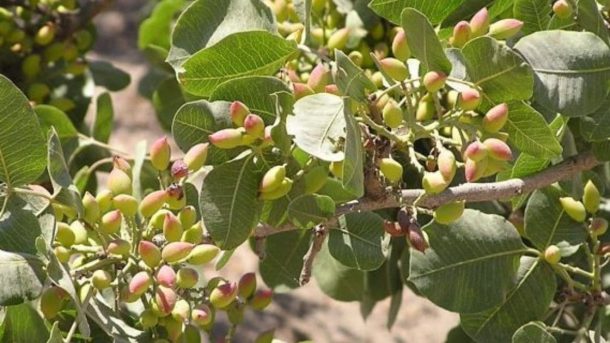
Weather condition is most important factor in growing pistachio crop. These nut trees prefer day temperatures above 36°C and winter months cold enough to complete their dormant periods 7°C. These trees don’t grow well in high elevations due to the cool temperatures. In India, Jammu and Kashmir is natural location to grow pistachio nuts.
climate
Which climate is suitable for Brinjal production?
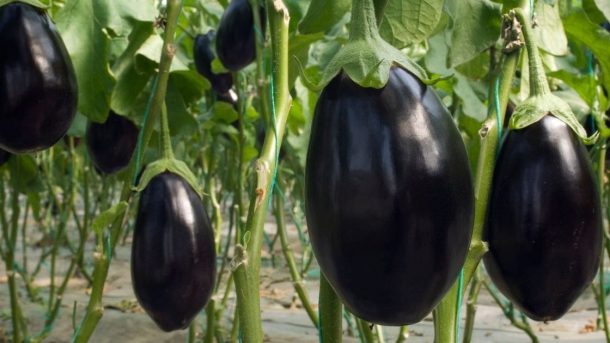
The brinjal is warm season crop, therefore susceptible to severe frost. Low temperature during cool season causes deformation of vegetables. A long and warm growing season desirable for successful brinjal farming. Cool nights and short summers are not suitable for satisfactory production. A daily average of 13 to 21°C is most favorable for optimum growth and yield. The brinjal seed germinates well at 25°C.
Which climate is suitable for Roselle cultivation?
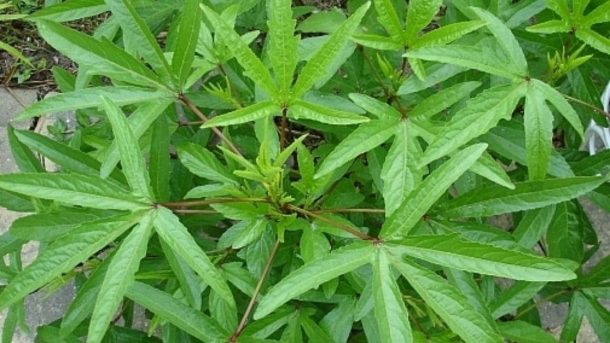
Roselle requires a monthly rainfall ranging from 130 to 250 mm in the first 3 to 4 months of growth. Dry weather is well tolerated and is desirable in the later months of growth. Rain or high humidity at harvest and drying times can downgrade the quality of the calyces and reduce the yield.
It prefers a warm, humid and dry climate with even rainfall of 150 to 200 cm per year and amount 25 cm per month during the growing period. It can grow as a dry rainfed crop or also as an irrigated crop, but it does not stand heavy and continuous rains, water logging, winter cold and frost.
How Climate change influences soil quality?
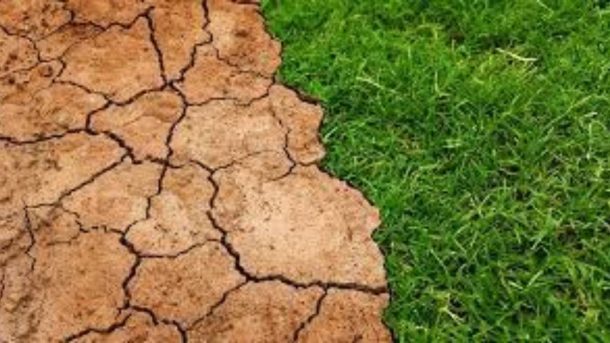
Warmer air and soil temperatures increase soil microbial action that speeds up the natural breakdown of organic matter. Organic matter is a very important component of soil that is a natural plant fertilizer. The climate varies might impact the fertility of soil by breaking down organic matter faster than the crops can use the available nutrients. However, a longer growing season with more vegetative mass produced could offset the increased breakdown of organic matter. The drought conditions and extreme weather events predicted are expected to raise the risk of soil erosion. Greater precipitation through rainfall events and an increased likelihood of flooding and heavy rains during the growing season will be some risks for soil erosion. It can be necessary to take steps to ensure adequate ground cover at key periods throughout the growing season. Ministry of Agriculture, Forestry and Rural Development (MAFRD) currently recommends that 60% of the soil surface be covered with crop residue to prevent erosion.
How does Conservation agriculture differ from climate smart agriculture?
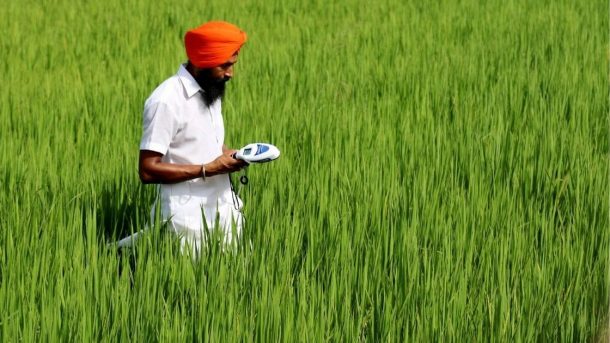
Both conservation and climate smart agriculture are similar, their purposes are different. These agriculture systems aim to have a positive effect on the environment and sustainably intensify small holder farming systems. It helps farmers to adapt to and increase crop yields despite climate risks.
Climate smart agriculture aims to adapt to and mitigate the effects of climate conditions change by sequestering soil carbon and reducing greenhouse gas emissions, and finally increase productivity and profitability of farming systems to ensure farmers livelihoods in a changing climate. Conservation agriculture can be considered climate smart as they deliver on the objectives of climate smart agriculture.
How do you control the water temperature in the Aquaponics system?
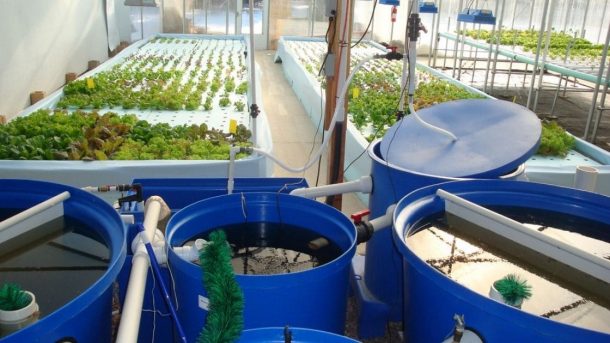
In places with cool temperatures, water or tank heaters are used to control the water temperature in the fish tank. The size of the system defines the no. of heaters required. In warmer areas the tank or system should be planned in a shady place, the lid of the tank should be kept open and aerated. Cooling the water in warm locations needs extra electricity and is difficult. The choice of fish should be proper in such places.
What is hedgerow intercropping?
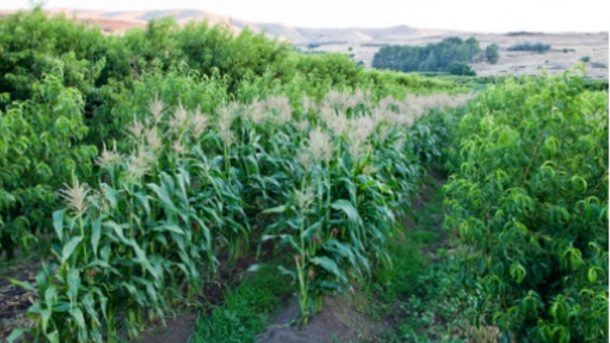
The practice of growing annual crops in between the rows of trees as an alternative method of fallow system is termed as hedgerow intercropping. The combination of trees and crops complement each other rather than competing. The trees create a favourable micro climate for the crops to survive by shielding them from drying winds.
Which is the best season for pineapple plantation?
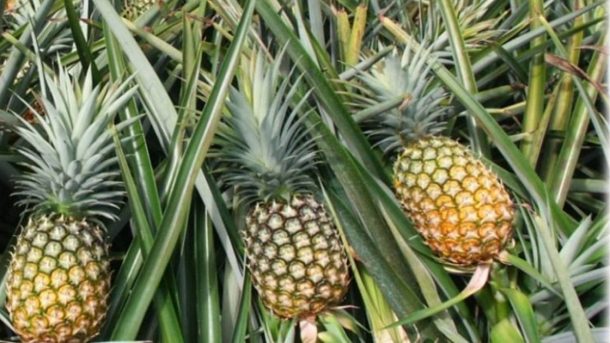
Pine apple is a humid tropical plant. It grows well, both in plains and also at elevations not exceeding 900 meters. It tolerates neither very high temperature nor frost. Pineapple usually flowers from February to April and the fruit are ready from July to September. Sometimes, offseason flowers appear and they produce fruits in September- December.
What are some of the physiological problems in tomatoes?
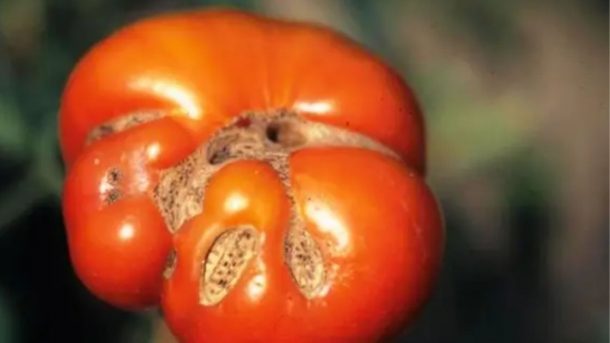
Adverse environmental conditions have a negative impact on the fruit and cause physiological disorders such as blossom end rot, fruit cracking, blossom drop, cat facing, puffiness, sun scald, gray wall, internal white tissue and rain check. Proper management and proper schedule for water and fertilizer application could prevent most of the disorders in tomato plants.
When is the best time to plant avocados?
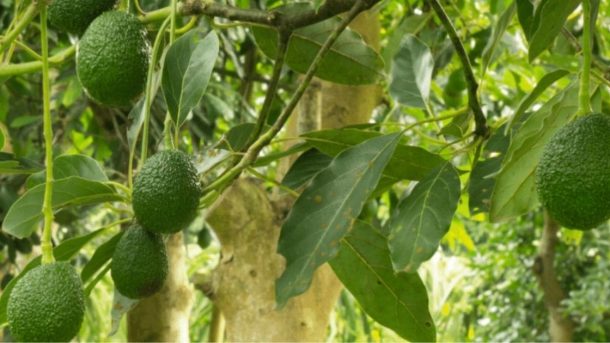
Temperature below freezing should be avoided. One can plant avocados tree between March to June because avocado trees will not absorb water effectively while they are young. If you go for planting in summer, then there will be possibility of sun damage.
Once formed, they can withstand temperature of -2°C to 0°C with little damage.