climate

Which climate is suitable for Roselle cultivation?

Roselle

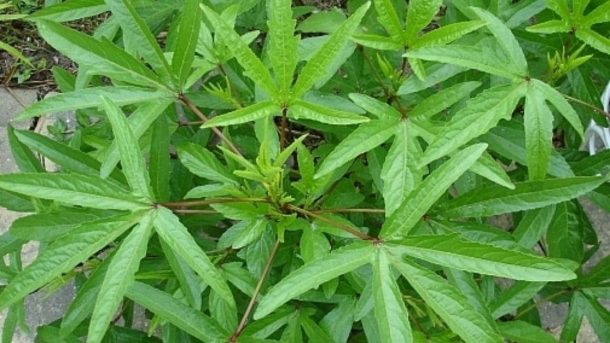
Roselle requires a monthly rainfall ranging from 130 to 250 mm in the first 3 to 4 months of growth. Dry weather is well tolerated and is desirable in the later months of growth. Rain or high humidity at harvest and drying times can downgrade the quality of the calyces and reduce the yield.

It prefers a warm, humid and dry climate with even rainfall of 150 to 200 cm per year and amount 25 cm per month during the growing period. It can grow as a dry rainfed crop or also as an irrigated crop, but it does not stand heavy and continuous rains, water logging, winter cold and frost.
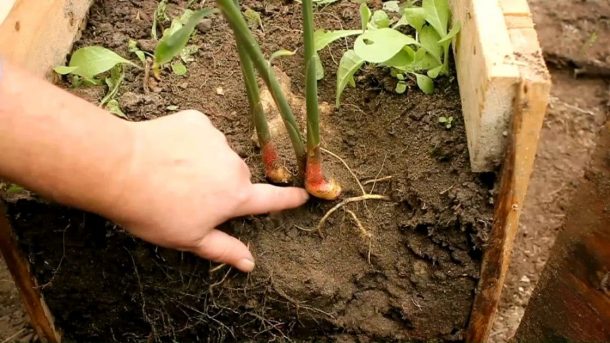
Which climate and soil are suitable for growing organic turmeric?

turmeric

Turmeric prefers a warm and humid climate. It can be grown in diverse tropical conditions within a temperature range maintained at 20-30 °C with a rainfall of 1500 mm or more per annum or under proper irrigation conditions.

Turmeric growth ceases when, the temperature falls below 20°C and hence early planted turmeric gives a good yield. Although turmeric grows well in different types of soil ranging from light black loam, red soils to clayey loams, rich loamy soils which are well drained. Turmeric cannot stand water stagnation or alkalinity. Any problem related to temperature, irrigation can easily be sorted in polyhouse by regulating the growing conditions, irrespective of turmeric growing season.

Which climate and soil are suitable for red gram seed germination?

red gram

Red gram is predominantly a crop of tropical areas mainly cultivated in semi-arid regions of India. Red gram can be grown with a temperature ranging from 26 to 30 °C in the rainy season and 17 to 22°C in the post rainy season. Red gram is very sensitive to low radiation at pod development, therefore flowering during the monsoon and cloudy weather leads to poor pod formation. It is successfully grown in black cotton soil, well drained with a pH level ranging from 7.0 – 8.5. Red gram responds well to properly tilled and then drained seed bed. The red gram crops can be grown in almost all types of soils. Though it does best on well drained, light to medium soils, and deep enough to permit a free development of roots. Bright sunny weather is required during flowering and pod ripening stage.

What are the conditions required for Almond seed germination?

Almond

Almond trees thrive in a climate that has mild, wet winters and hot, dry summers. Almond trees grow best on deep loam soil consisting of clay, sand, humus or other organic material. This soil allows for optimal permeability, water retention and root zone aeration. When preparing to plant a new Almond orchard, growers cultivate the soil to loosen clods and grade the orchard. It is common practice to use a chisel attachment to dig deep down and break up any hardpan below the surface of the soil to help newly planted trees establish a deep root system.

Temperature is a major factor affecting the germination rate. The temperature range between 2 °C and 7°C is generally the most efficient. Seeds from Almond and other Rosaceae species need a cold treatment under humid conditions to overcome the dormancy and promote their germination.

What is the climate required for Chilli cultivation?

climate

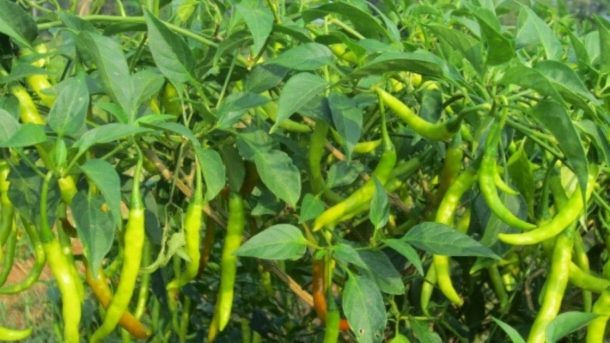
Chilli crop require a warm and humid climate for its best growth and dry weather during the maturation of fruits. A temperature ranging from 20 to 25°C is ideal for chilli. In chilli fruit development adversely affected at temperature of about 37°C or more. Heavy rainfall leads to poor fruit set and in association with high humidity leads to rotting of chilli fruits. High temperature and low relative humidity increase the transpiration during flowering resulting in shedding of buds, flowers and small fruits.

How Climate change influences soil quality?

Climate

Warmer air and soil temperatures increase soil microbial action that speeds up the natural breakdown of organic matter. Organic matter is a very important component of soil that is a natural plant fertilizer. The climate varies might impact the fertility of soil by breaking down organic matter faster than the crops can use the available nutrients. However, a longer growing season with more vegetative mass produced could offset the increased breakdown of organic matter. The drought conditions and extreme weather events predicted are expected to raise the risk of soil erosion. Greater precipitation through rainfall events and an increased likelihood of flooding and heavy rains during the growing season will be some risks for soil erosion. It can be necessary to take steps to ensure adequate ground cover at key periods throughout the growing season. Ministry of Agriculture, Forestry and Rural Development (MAFRD) currently recommends that 60% of the soil surface be covered with crop residue to prevent erosion.

How does Conservation agriculture differ from climate smart agriculture?

Conservation

Both conservation and climate smart agriculture are similar, their purposes are different. These agriculture systems aim to have a positive effect on the environment and sustainably intensify small holder farming systems. It helps farmers to adapt to and increase crop yields despite climate risks.

Climate smart agriculture aims to adapt to and mitigate the effects of climate conditions change by sequestering soil carbon and reducing greenhouse gas emissions, and finally increase productivity and profitability of farming systems to ensure farmers livelihoods in a changing climate. Conservation agriculture can be considered climate smart as they deliver on the objectives of climate smart agriculture.

How do you control the water temperature in the Aquaponics system?

temperature

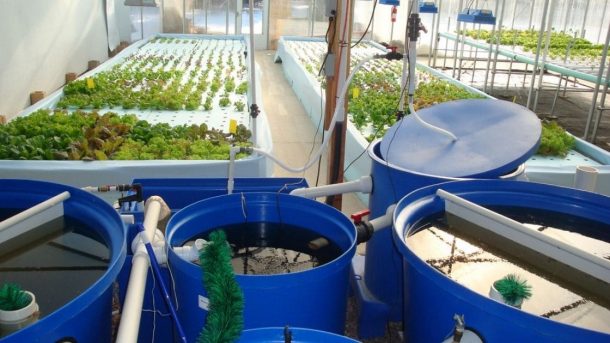
In places with cool temperatures, water or tank heaters are used to control the water temperature in the fish tank. The size of the system defines the no. of heaters required. In warmer areas the tank or system should be planned in a shady place, the lid of the tank should be kept open and aerated. Cooling the water in warm locations needs extra electricity and is difficult. The choice of fish should be proper in such places.

What is the climate required for Fig farming?

climate

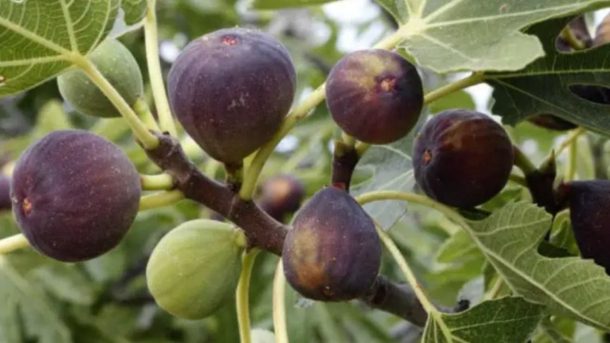
Fig being a deciduous and sub tropical fruit tree, it prefers areas having high summer temperatures, plenty of sunshine and moderate irrigation. The fig fruit quality deteriorates beyond 39°C even though the fig tree survives up to 45°C. Fig tree grows best when the temperature range is between 15 to 21°C. The shape, size, color of the skin and pulp quality are affected by climate. But quality of figs can be obtained in the regions with hot dry climates at the time of development and maturity stage of fig fruit. Low temperatures and high humidity conditions results in fruit splitting and low quality of fruit.

What is hedgerow intercropping?

hedgerow

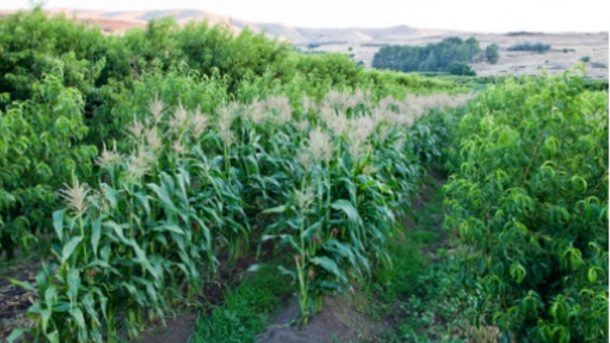
The practice of growing annual crops in between the rows of trees as an alternative method of fallow system is termed as hedgerow intercropping. The combination of trees and crops complement each other rather than competing. The trees create a favourable micro climate for the crops to survive by shielding them from drying winds.