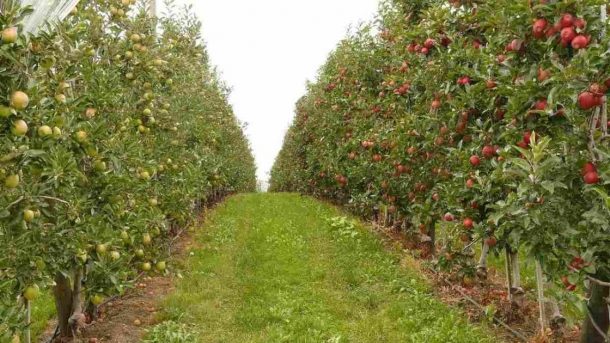
When compared with soyabean, peanut was more suitable for intercropping with apple trees to obtain economic benefits. Some agronomic measures such as regular canopy pruning, root barriers, additional irrigation and fertilization should be applied in the intercropping systems. The major impact of intercrops on the relative economic yield of apple revealed that the apple trees intercropped with pea had better benefit.
Crop varieties
Which is the best intercrop for dates?
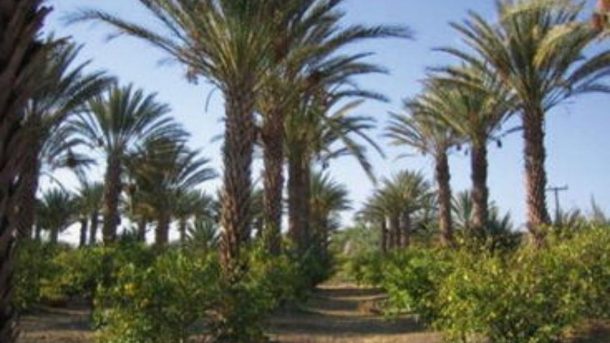
The Dates farms are intercropped with crops like green gram, Black gram, Beans and lentils, tomatoes, papaya and pomegranate. Ensure adequate water and fertilizers required in the case of intercropping. For first harvesting, 4 to 5 years are required. In between vegetables like chilli, peas and brinjal etc., can be taken as intercrop.
Which is the best intercrop for Sapota?
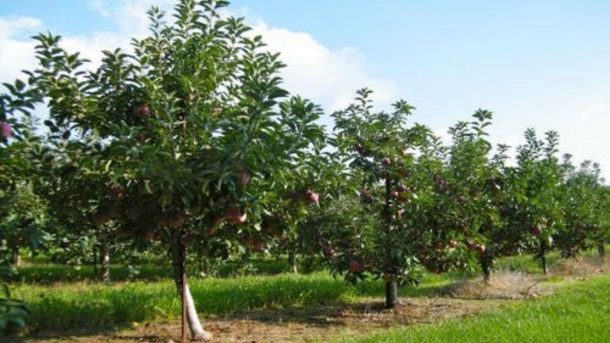
The sapota farming area is used for legumes and short duration crops during the pre-bearing period. These intercrops are raised for generating more profit and fixing the nitrogen levels in the soil. The sapota farms are intercropped with some vegetables’ crops such as Tomato, Cabbage, Cauliflower and French beans etc. Sapota intercropping with Banana, Papaya, Pineapple and cocoa, peas, Brinjal and cucurbits is recommended depending upon the climate and irrigation facilities available.
What are the characteristics of Kabuli chickpea?
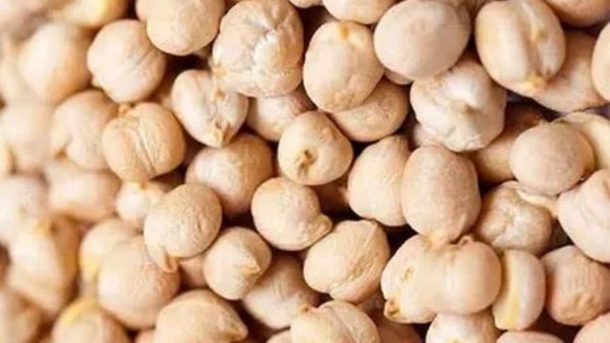
The Kabuli chickpeas are characterized by white or beige coloured seed with ram’s head shape, thin seed coat, smooth seed surface, white flowers and lack of anthocyanin pigmentation on the stem. As compared to desi types, the Kabuli chick peas have higher levels of sucrose and lower level of fibre. The Kabuli types have large sized seeds and receive a higher market price than desi types. The price premium in Kabuli types increases as the seed size increases. In this group the colour of the seed is white. Grains are bold and attractive. The yield potential of this group is poor as compared to the desi types. Plant is taller than the desi gram and stand more or less erect.
What are the characteristics of Desi chickpea?
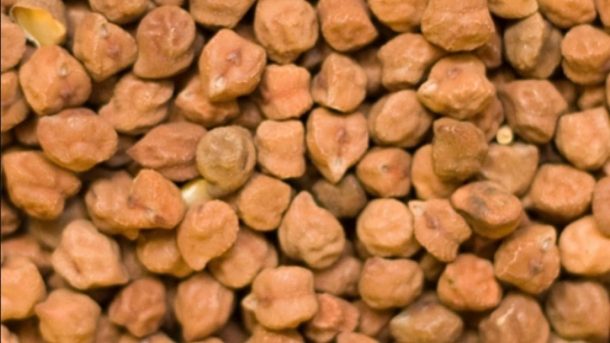
Chickpeas with coloured and thick seed coats are known as desi types. The common seed colours include different shades and combination of brown, yellow, green and black. The seeds are generally small and the flowers are normally pink and the plants show various degrees of anthocyanin pigmentation, although some desi types have white flowers and no anthocyanin pigmentation on the stem. The desi types account for 80 to 85% of the chickpea. In this group the colour of the chickpea seed ranges from yellow to dark brown. Seed size is usually small and it is the most widely grown group. Plants are very small with good branching ability.
What are the different types of chickpea?
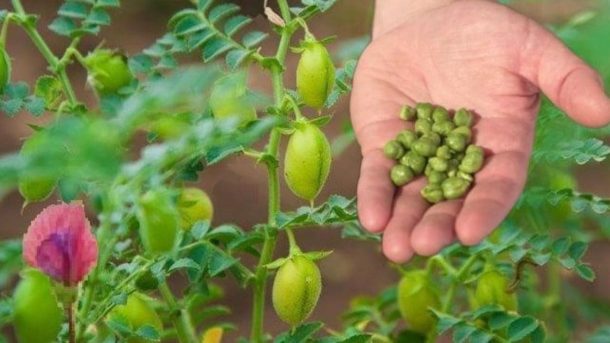
There are mainly two distinct types of chickpea are recognized. Worldwide, two main types of chickpea, Desi and Kabuli are cultivated. Kabuli types, grown in temperate regions, are large seeded and consumed as a whole seed, whereas Desi types grown in semi-arid tropical and subtropical regions are mainly consumed as split dal or turned into flour. Gram commonly called chickpea or Bengal gram is the most important pulse crop of India. Chickpea is used for human consumption as well as for feeding to animals.
What are botanical and morphological characters of king chilli?
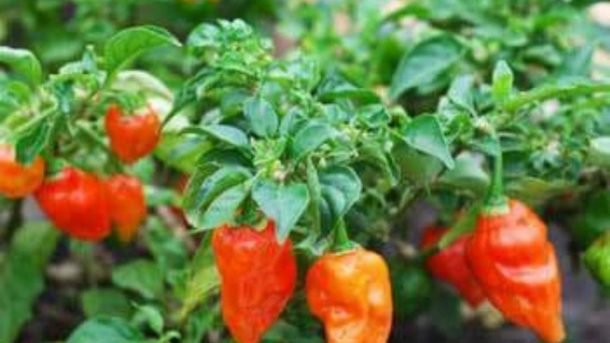
King chilli is the fruit of plant belonging to the Family: Solanaceae. This chilli is one of the hottest on earth and the extreme variations among different cultivars include several colours, sizes and textures of fruits. Particularly, the colour ranges from light green, yellowish green to dark green in young fruits and gradually changes into light red, bright red and even chocolate while the texture varies from crumpled to semi smooth as well as gloomy with fleshy tissue. The fruit is sub-conical to conical in shape and about 2.40–2.85 cm wide at the shoulders and 6.10–9.20cm in length; Fruit surface is Rough, wrinkle with spikes and may weigh 14–18 g.
What is Hara Madhu and it belongs to which variety of crop?
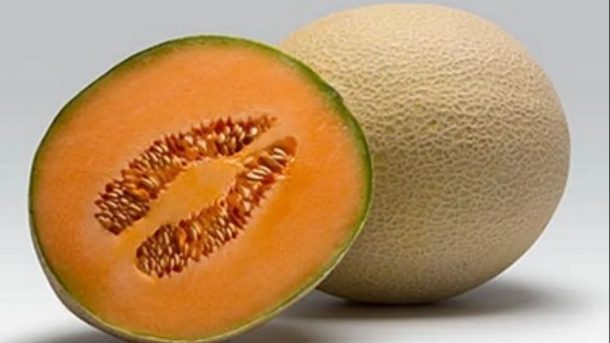
Hara Madhu is a most popular variety of muskmelon that can grow up to 3-5 meters. It is an introduction from the Punjab agricultural university, Ludhiana. The large fruits of this variety are round in shape and have light yellow skin with strips of green and have thick pulp which is very good sweet in taste. The fruit weighs around 1 kg.
What is Arka Nidhi and it belongs to which variety?
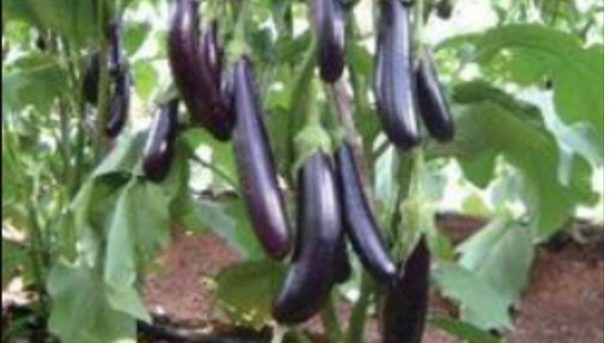
This is a brinjal top yielding cultivar with resistance to bacterial vaginosis. Fruits are borne in the bunch. Calyx purplish green. Fruits are free from bitter principles with slow seed growth and good cooking quality. This brinjal crop is ready for picking in 145 to 150 days after transplanting in the field. The average yield is about 48 to 50 tone’s/ha.
What is green revolution and which crops are associated with it?
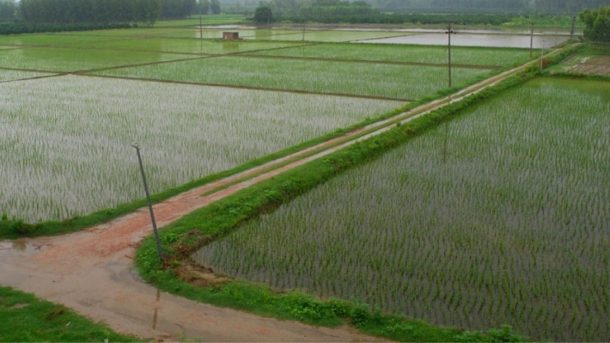
Green revolution refers to the increased production of food grains b the use of high yielding varieties of seeds and better management practices. The major crops that are considered for green revolution are rice and wheat.