Farm equipments

How is vertical farming being adopted in urban areas?

urban

Due to its potential to make the most of limited space and grow food in a controlled environment, vertical farming is gaining popularity as a promising agricultural practice in urban areas. Here is how urban areas are embracing vertical farming.

Systems for vertical farming: Often indoors or in controlled circumstances, vertical farming involves growing crops in stacked layers or vertically inclined structures. These systems frequently employ soilless techniques like hydroponics, aquaponics, or aeroponics, in which plants are cultivated in water solutions or mist conditions rich in nutrients.

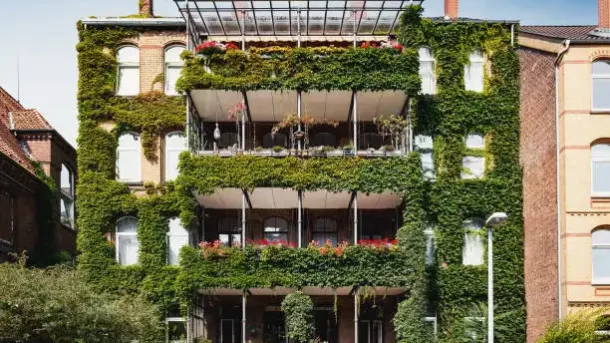
Warehouses and high-rise buildings: Urban vertical farms are frequently constructed in repurposed buildings like warehouses, high-rise buildings, or abandoned industrial locations. Multiple layers of crops can be planted vertically, greatly increasing the amount of food that can be produced per square metre of floor area.

LED lighting and climate control: LED lighting systems are used in vertical farms to deliver precise light spectrums that are optimised for plant growth and enable year-round production regardless of the availability of natural light. To establish the best growing circumstances, climate control technologies are used, including temperature, humidity, and CO2 management.
What are the current issues surrounding genetically modified organisms (GMOs) in agriculture?

modified organisms

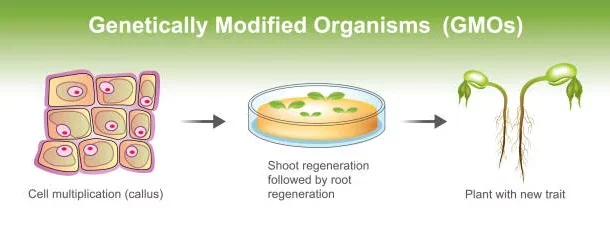
Safety and health: The possible effects of genetically modified organisms GMOs on human and environmental health are among the key issues surrounding them. Genetically modified crops, according to their detractors, may introduce allergies or have unforeseen consequences on human health. Concerns exist over the long-term ecological effects of releasing GMOs into the ecosystem as well.

Consumer choice and labelling: The debate over GMO labelling has been heated. Many customers support the requirement for plain labelling of goods made with genetically modified organisms GMO components, highlighting their right to know what they are buying and ingesting. Transparency in the food supply chain and labelling laws have been discussed and enacted in a number of nations.

Environmental impact: Ecosystems and biodiversity may be impacted by GMOs. Concerns include the spread of altered genes to wild relatives, the emergence of pest and weed resistance, and the decline in crop genetic diversity. GMOs‘ effects on non-target creatures including beneficial insects and soil microbes are a growing area of research and concern.

Intellectual property and control: The ownership of the intellectual property rights in genetically modified seeds is a crucial genetically modified organisms GMO-related concern. Critics claim that the patenting of GMOs and the concentration of seed firms can restrict farmers’ access to seeds, prevent them from saving and replanting seeds, and drive up the price of seeds. The disputes about farmer autonomy and the consolidation of power are intertwined with this problem.

How are farmers adopting technology to improve agricultural practices?

technology

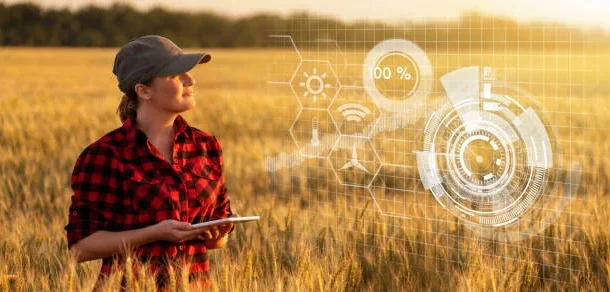
Technology is being adopted by farmers more frequently to promote production, efficiency, and sustainability in agriculture. Precision agriculture, farm management, data analytics, and automation are just a few of the farming practices that are changing as a result of technological breakthroughs. Here are a few examples of how farmers are using technology.

By adjusting inputs and management techniques to individual field conditions, precision agriculture uses technology to maximise crop production. Farmers get information on soil moisture, nutrient levels, and crop health using instruments including global positioning systems (GPS), satellite photography, and remote sensing. They may decide on fertilisation, irrigation, and pest management with more knowledge thanks to this information, which leads to more efficient resource usage and higher yields.

Farm management software: Mobile applications and farm management software help farmers manage tasks, maintain inventories, and streamline their business operations. These technological aids support financial management, operational planning, and record-keeping. Farmers can optimise productivity, cut costs, and enhance overall farm performance by analysing data and generating insights for better decision-making.

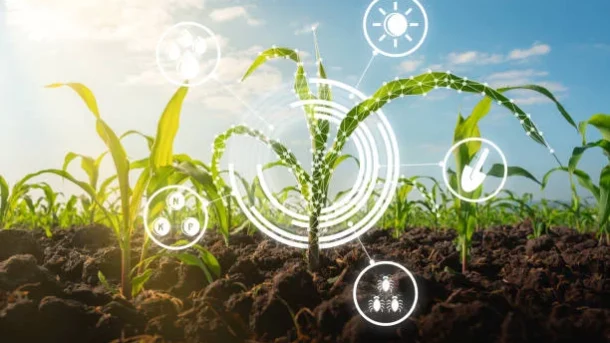
Sensor and Internet of Things (IoT) technology are being utilised more and more in agriculture to track a variety of variables. Real-time information on environmental conditions is provided by soil moisture sensors, weather stations, and livestock tracking systems, enabling farmers to make informed decisions about irrigation, planting, and animal health. Farm activities may be remotely monitored and managed thanks to IoT technology, which improves productivity and resource management.

What are the key policy changes and regulations affecting farmers worldwide?

policy changes

Governments all around the world run various types of support and subsidy schemes for agriculture in an effort to help farmers. These initiatives work to promote rural development, stabilise farm incomes, assure food security, and solve environmental issues. Modifications to eligibility requirements, subsidy levels, and the addition of new support systems are examples of possible policy changes.

Environmental regulations: In order to address issues like climate change, soil erosion, water pollution, and biodiversity loss, more and more environmental rules and sustainability efforts are being put into place. These laws could have an impact on agricultural practices such the application of pesticides and fertilisers, the management of water resources, and limitations on land usage. Policies concerning agroecology, conservation agriculture, and organic farming have also become more popular.

Standards for food safety and quality: To guarantee food safety and quality, governments have set rules and benchmarks. These requirements could include things like packaging, labelling, and traceability and policy changes. Farmers must follow particular rules and procedures in order to comply with these regulations, which may have an impact on their practices and procedures.

Property rights and land tenure: Farmers may be significantly impacted by changes to land tenure laws. The ability of farmers to access and manage land can be impacted by policies relating to land ownership, lease arrangements, land redistribution, and land-use planning. Stability and incentives for agricultural output can be provided by programmes and policies that support stable land tenure.

What are the advancements in precision agriculture and its impact on productivity?

precision agriculture

Precision farming, also known as site-specific crop management or precision agriculture, has made tremendous strides in recent years. These developments have improved agricultural productivity and were made possible by technology, data analytics, and automation. The following are some significant developments in precision agriculture and their results.

Remote sensing and images: High-resolution imagery and data on crop health, nutrient levels, and water stress are provided by remote sensing technology, such as satellites, drones, and aircraft. Farmers can use these data to find variability in their fields and implement focused interventions. Early crop stress or nutrient deficiency detection allows farmers to provide inputs precisely where they are needed, maximising the utilisation of available resources and raising crop output.

With variable rate technology (VRT), inputs like irrigation, herbicides, and fertilisers are applied at different rates throughout a field. For the purpose of creating prescription maps that direct the application of inputs, VRT uses data from yield monitoring, soil sampling, and remote sensing. Farmers can maximise resource use, cut expenses, and increase crop yields by customising inputs to match the distinct needs of various locations within a field.

Sensors and the Internet of Things (IoT): Real-time information on environmental conditions and crop status is provided by sensors, including soil moisture sensors, weather stations, and crop health sensors. These sensors are connected via IoT devices, which enable real-time data collecting, analysis, and decision-making. Farmers can make prompt and educated judgements about crop health by keeping an eye on soil moisture, weather patterns.

What are the benefits of using smart beekeeping technologies?

smart beekeeping

Smart beekeeping technology has a number of advantages for beekeepers as well as for the general wellbeing and production of bee colonies. Here are several major advantages.

Real-time monitoring of hive conditions, like temperature, humidity, hive weight, and activity levels, is made possible by smart beekeeping technologies. This information offers useful insights into the condition of the bee colony, enabling beekeepers to identify possible problems like disease outbreaks, pest infestations, or colony swarming early on. Making informed management decisions and acting quickly to solve any issues requires constant observation of the hive’s conditions.

Swarm prevention: Swarming is a normal behaviour for honey bees, however it can reduce beekeepers’ production. Swarming incidents can be predicted and avoided with the aid of smart beekeeping technologies. Beekeepers can recognise conditions that are conducive to swarming and take preventive actions, such as hive manipulations or queen replacement, to effectively manage swarm control by keeping an eye on colony population, brood development, and environmental factors.

Disease and Pest Management: By offering early diagnosis and action, smart beekeeping systems help with disease and pest management. For instance, monitoring tools can spot varroa mites, a serious hazard to bee colonies, and notify beekeepers to take prompt action. Additionally, monitoring systems enable targeted interventions, limiting the development of illnesses like Nosema and American foulbrood, and assist track their spread.

How is remote sensing used for monitoring water resources in agriculture?

remote sensing

By providing useful data on soil moisture, irrigation effectiveness, water stress, and water availability, remote sensing plays a critical role in monitoring water resources in agriculture. Here are some examples of how remote sensing is applied to monitoring agricultural water resources:

Soil Moisture Monitoring: To determine the amount of soil moisture in agricultural fields, remote sensing techniques including passive and active microwave sensing are used. Spatial and temporal data on soil moisture levels by measuring the electromagnetic signals that are reflected or emitted by the soil. By using this knowledge, farmers can plan their irrigation systems and use water more efficiently by knowing when and how much water to apply.

Assessment of Irrigation Efficiency: By measuring crop water use and water stress, remote sensing enables the evaluation of irrigation efficiency. Calculating crop evapotranspiration (ET) rates involves examining the thermal characteristics of plants to determine water usage. Changes in irrigation timing or methods may be necessary if deviations from the norm in ET rates are a sign of water stress or ineffective irrigation tactics.

Water Availability Mapping: By keeping an eye on bodies of surface water, such as lakes, reservoirs, and rivers, remote sensing may gather data on water availability. Water extent, water levels, and changes in water bodies over time can all be measured by satellite-based sensors. This information aids in determining the amount of water available for irrigation needs and efficient use of water resources.

How are autonomous tractors and machinery transforming farming practices?

autonomous tractors

By adding automation and cutting-edge technologies to diverse agricultural processes, autonomous tractors and other equipment are revolutionising farming practises. Here is how they are changing agriculture:

Increased Productivity and Efficiency: Because autonomous tractors and other machinery may function constantly without human intervention, efficiency and productivity are increased. They can labour around the clock and consistently and precisely complete duties like plough, seed, spray, and harvest. As a result, task completion is facilitated more quickly, downtime is decreased, and overall farm output is increased.

Precision Agriculture: Autonomous equipment is fitted with cutting-edge sensors, GPS, and mapping systems, enabling exact input location and application. They can use real-time field data or planned routes to follow in order to optimise tasks like variable-rate sowing or fertiliser application. Utilising precision agriculture techniques,

 What are the advancements in robotic milking systems for dairy farms?

robotic milking

Animal Health Monitoring: Numerous robotic milking systems come with sensors that keep an eye on cow activity, rumination habits, behaviour, and body temperature. The system can spot potential health problems or alterations in cow behaviour by analysing this data, warning farmers to take appropriate steps like veterinary intervention or more careful observation.

Analytics and Data Integration: Modern robotic milking systems are linked to platforms for data analytics and farm management software. Farmers now have access to real-time information and analysis about characteristics such as feeding, cow health, and milk production. Farmers can enhance herd management, spot trends, and make data-driven decisions to increase productivity and animal welfare with the use of data analytics.

Robotic milking system producers are constantly attempting to enhance their systems, which include software upgrades, user interfaces, and equipment durability. These developments are meant to increase system performance, usability, and reliability, which will ultimately lower maintenance needs and boost uptime.

What are the advancements in indoor farming technologies?

indoor farming

Vertical farming systems: Indoor farming employs Artificial lighting, climate control, and hydroponic or aeroponic systems are used to grow crops in stacked layers or vertical racks. The energy efficiency of LED lighting has increased, and exact light spectra for various phases of plant growth are now available. Vertical farming allows for year-round production in urban settings while maximising land utilisation and consuming less water.

Hydroponics and Aeroponics: These soilless growing methods that provide plants with nutrient-rich water or mist are known as hydroponics and aeroponics, respectively. These devices provide effective fertiliser uptake and water conservation by delivering nutrients directly to plant roots. The accuracy and control of fertiliser and water management in hydroponic and aeroponic setups have increased thanks to developments in nutrient delivery systems, automation, and sensing technologies.

Indoor Climate Control: To maximise plant growth and productivity, indoor farming depends on careful regulation of temperature, humidity, and CO2 levels. Precision changes are made possible by advancements in climate control systems, including sensors, ventilation, and HVAC technology. Automated climate control systems can continuously check environmental conditions and make adjustments to provide the best conditions for various crops.