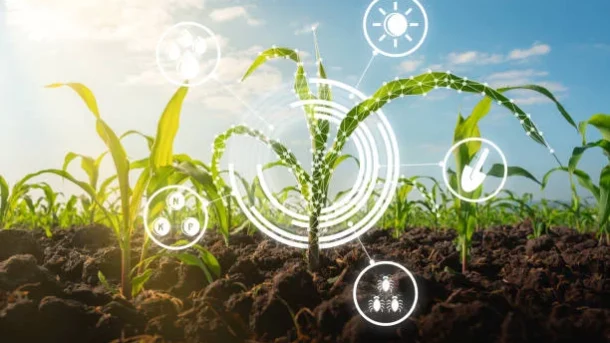
Vertical farming systems: Indoor farming employs Artificial lighting, climate control, and hydroponic or aeroponic systems are used to grow crops in stacked layers or vertical racks. The energy efficiency of LED lighting has increased, and exact light spectra for various phases of plant growth are now available. Vertical farming allows for year-round production in urban settings while maximising land utilisation and consuming less water.
Hydroponics and Aeroponics: These soilless growing methods that provide plants with nutrient-rich water or mist are known as hydroponics and aeroponics, respectively. These devices provide effective fertiliser uptake and water conservation by delivering nutrients directly to plant roots. The accuracy and control of fertiliser and water management in hydroponic and aeroponic setups have increased thanks to developments in nutrient delivery systems, automation, and sensing technologies.
Indoor Climate Control: To maximise plant growth and productivity, indoor farming depends on careful regulation of temperature, humidity, and CO2 levels. Precision changes are made possible by advancements in climate control systems, including sensors, ventilation, and HVAC technology. Automated climate control systems can continuously check environmental conditions and make adjustments to provide the best conditions for various crops.