farming practices

How do government policies impact agricultural market trends?

government policies

Government policies have a significant impact on agricultural market trends and many facets of the agricultural industry. Production, trade, prices, and the general dynamics of the market can all be impacted by these policies, both directly and indirectly. The following are some ways that public policies might affect the agriculture market:

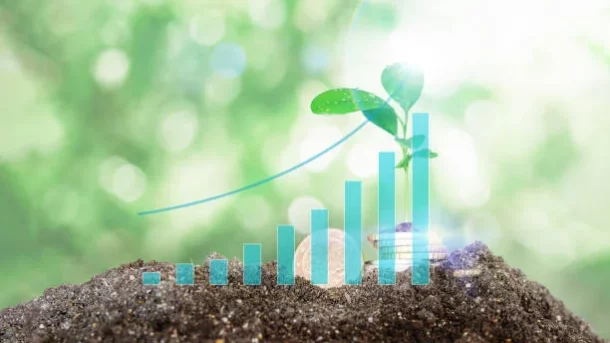
Governments frequently offer financial assistance to farmers in the form of subsidies, grants, or price support programs. These subsidies can lower production costs, promote particular farming methods, and stabilize prices, resulting in an increase in the supply or output of particular agricultural commodities.

Governments utilize trade rules and tariffs to control the flow of agricultural products across international borders. While export tariffs can affect a product’s availability on the global market, import tariffs can shield home producers from overseas rivalry.

Agriculture Price limits: To guarantee that some important goods are affordable for consumers, governments may impose price limits on them. While keeping food costs consistent for consumers, price caps might restrict farmers’ income.

Funding for Research and Development: Investing in agricultural R&D can result in technological improvements, better crop types, and increased productivity. Research that is supported by the government policies can also focus on particular issues facing agriculture, such disease resistance or climate resilience.
What is the impact of advanced agriculture technologies on rural livelihoods?

rural livelihoods

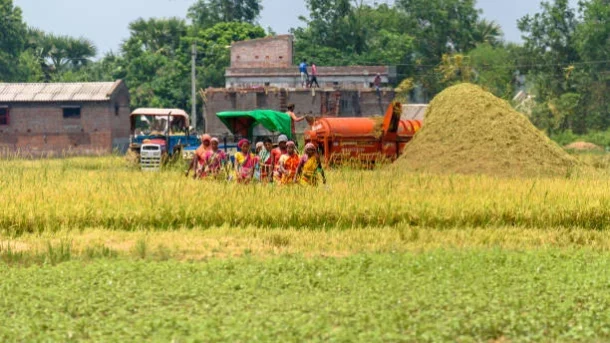
Advanced agricultural technologies can have a major and varied impact on rural livelihoods. The following are some significant ways that modern agriculture technologies may impact rural livelihoods:

Increased output and income: Cutting-edge agricultural technology like robots, precision farming, and intelligent machines can increase output and crop yields. Farmers may increase the amount of food they produce through boosting efficiency, minimizing waste, and optimizing resource use. Increased income from higher production translates into better livelihoods and economic well-being for rural farmers.

Enhanced job opportunities: Although modern technology may automate certain conventional farming chores, its adoption may also open up new employment opportunities in rural regions. In order to handle data analytics, develop software, and maintain high-tech equipment, trained personnel are required.

The implementation of cutting-edge agricultural technologies necessitates the development of new knowledge and skills among farmers. Farmers who want to use and manage these technology properly can benefit from training programs, workshops, and extension services. Learning new skills improves rural communities’ capacity, enabling farmers to adopt progressive practices, make wise decisions, and continuously improve their agricultural practices.

Sustainable agricultural practices: Sustainable agricultural practices are frequently promoted by advanced agricultural technologies. Farmers can adopt more effective and environmentally friendly practices by utilizing technologies like precision agriculture, remote sensing, and data analytics to maximize resource usage, cut back on chemical inputs, reduce environmental impact, and minimize environmental impact. These eco-friendly techniques help to safeguard the environment over time, preserve natural resources, and enhance the sustainability of rural livelihoods.

How does vertical farming reduce the transportation distance for fresh produce?

fresh produce

By bringing agriculture closer to consumers, vertical farming greatly minimizes the transit distance for fresh produce products. The following is how vertical farming does this:

Urban proximity: Vertical farms are frequently found in or close to heavily populated urban areas. The travel time from farm to consumer is greatly shortened by placing farms close to urban areas. As a result, there is no longer any need for produce from rural farming areas to travel large distances to get to metropolitan markets.

Localized production: Fresh vegetables can be produced locally thanks to vertical farming. Vertical farms can be developed within or close to metropolitan areas, providing the demand for fresh produce directly where it is required, as opposed to relying on distant farming regions or even overseas imports. 

Supply networks that are short and direct are made possible by vertical farming. Produce may be quickly gathered and supplied to adjacent marketplaces because the farms are close to where the consumers are. Because there are fewer middlemen in the supply chain, there is less need for handling and storage space. The quality and freshness of the produce are increased, while the transportation and storage-related carbon impact is decreased, thanks to shorter supply chains.

On-demand harvesting is possible in vertical farming because crops are frequently produced in tightly regulated indoor conditions. When the food is at its ripest or when it is required by nearby marketplaces or customers, farmers can pick it. As a result, there is no need to harvest fruit too early to allow for lengthy transportation durations, and the produce is preserved.

What is the potential of using artificial intelligence for plant disease diagnosis?

plant disease

For the diagnosis and management of plant disease, artificial intelligence (AI) has tremendous potential. Here are some ways AI can advance this area:

Early detection and diagnosis: AI systems can examine a lot of data, including photos, sensor readings, and historical records, to find and identify plant disease early on. AI may learn to recognize disease signs, trends, and indicators that may be challenging for human observers to notice by training machine learning models on a variety of datasets. Early detection allows for prompt intervention and therapy, which slows the progression and effects of disease.

Image analysis and recognition: AI-powered image recognition systems can examine plant photos taken by cameras or drones and spot lesions, lesions, illness symptoms, and other visual signs of disease. 

Remote sensing and data integration: AI can use remote sensing data to monitor crop health and spot disease outbreaks over wide areas, such as satellite imaging or drone-based multispectral photos. Artificial intelligence (AI) can evaluate complicated interactions and correlations to discover illness risk factors and forecast the prevalence of diseases by combining data from various sources, such as meteorological data, soil conditions, and historical records. The decision-making process for managing and preventing diseases is improved by this data-driven approach.

Disease modeling and prediction: Using environmental factors, crop growth stages, and past disease data, AI can create predictive models that predict disease outbreaks. Artificial intelligence (AI) algorithms can produce precise disease risk assessments and offer early warning systems by evaluating enormous datasets and locating pertinent variables. These forecasts assist farmers in implementing precautionary measures and resource of farm.

How can agroecology contribute to sustainable agriculture?

agroecology

As an ecological method of farming, agroecology makes numerous contributions to sustainable agriculture. The following are some ways that agroecology might support sustainable agriculture:

Conservation of biodiversity: Agroecology highlights the significance of biodiversity in farming systems. Agroecology aids in biodiversity preservation by encouraging different cropping systems, crop rotations, intercropping, and the preservation of natural habitats on and around farms. Maintaining biodiversity promotes the health of ecosystems generally and the resilience of beneficial insects, pollinators, and natural pest control.

Agroecologies promotes soil health and fertility through techniques including the integration of organic matter, cover crops, crop rotation, and reduced tillage. Through these techniques, soil structure is improved, organic matter content is raised, water infiltration is improved, and erosion is decreased. Long-term production is increased by nutrient availability to plants and nutrient cycling in healthy soils.

Conservation of natural resources: Agroecology encourages the effective and sustainable use of resources such as water and energy. Water conservation strategies include rainwater collection, agroforestry systems that improve water retention and lessen runoff, and water-saving irrigation techniques. To reduce the carbon footprint of agricultural operations, agroecologies also promotes the use of renewable energy sources and energy-efficient practices.

Reduction of synthetic chemical inputs, such as pesticides and fertilizers: Agroecology encourages the reduction and prudent use of synthetic chemical inputs. Agroecology reduces dependency on chemical pesticides by applying ecological pest management techniques like biological control, crop rotation, and habitat diversification. The requirement for synthetic fertilizers is further lessened by techniques like organic fertilization, nutrient recycling, and nitrogen-fixing cover crops.

How does indoor farming reduce the dependency on arable land?

arable land

In numerous ways, indoor farming, commonly referred to as vertical farming or controlled-environment agriculture, lessens reliance on arable land:

Vertical stacking: By cultivating crops in stacked tiers or shelves, indoor farming effectively makes use of vertical space. Multiple crop levels can be grown in a very short space thanks to this vertical layout. Indoor farming may produce a sizable amount of crops without requiring a lot of land by making the most of vertical space.

Utilizing non-arable places: Indoor farming can be set up in unconventional locations like buildings, warehouses, or renovated urban spaces. Due to restrictions like a lack of soil, contamination, or urban expansion, certain areas might not be appropriate for conventional farming operations. Indoor farming creates new opportunities by making use of these unusable spaces.

Production all year round: Regardless of seasonal and climatic restrictions, indoor farming allows for year-round agricultural production. Regardless of the weather outside, farmers can provide the best growing conditions for crops by constructing controlled environments. Higher crop yields are possible thanks to this steady and ongoing production, which also lessens the demand for the vast tracts of land needed for traditional seasonal farming.

Reduced land degradation and ecosystem preservation: Due to intense tillage, monocultures, and chemical inputs, traditional agricultural practices can cause erosion, land degradation, and the loss of important arable land. These methods are reduced or eliminated in indoor farming, which prevents soil erosion and protects precious land resources. Indoor farming also prevents the conversion of natural habitats and ecosystems into agricultural land by adopting controlled settings.

 What is the role of big data analytics in modern agriculture?

big data analytics

By utilizing the enormous amount of data generated by farming operations, big data analytics plays a significant role in modern agriculture by gaining insightful information, streamlining decision-making, and increasing overall farm efficiency. Here are a few crucial functions of big data analytics in contemporary agriculture:

Data Gathering and Integration: The agricultural ecosystem’s numerous data types can be gathered, integrated, and managed using big data analytics. Data from sensors, satellites, drones, weather stations, equipment, and farm management systems are included in this. Farmers can acquire a thorough picture of their business operations and take wise decisions by combining and evaluating different data sources.

Forecasting and Predictive Analytics: Big data analytics enables the use of forecasting and predictive modeling methods in agriculture. Analysis of historical data predictive analytics can estimate yields, disease outbreaks, or market trends through the analysis of historical and real-time data, such as weather patterns, soil conditions, crop growth stages, and insect dynamics. These insights support farmers in risk management, planting schedule planning, and resource allocation optimization.

Precision Agriculture with Variable Rate Technology: By employing spatial data and variable rate technology, big data analytics supports precision agriculture methods. Farmers can recognize variability in their fields and tailor the application of inputs, such as fertilizer, water, or pesticides, based on the particular requirements of various locations by analyzing soil maps, satellite photos, and sensor data. This focused strategy reduces the environmental impact while maximizing resource efficiency.

Real-time monitoring and analysis of crops and livestock are made possible by big data analytics.

How can satellite imagery contribute to precision agriculture?

satellite imagery

Satellite imagery is essential to precision agriculture because it offers insightful information and useful data for efficient farm management. Here are some ways that satellite imaging benefits precision agriculture:

Crop Monitoring and Health Assessment: Detailed information regarding vegetation indicators, such as NDVI (Normalized Difference Vegetation Index), which depicts plant health and vigor, is captured by satellite imagery. Farmers may monitor crop growth, spot early indications of stress, pinpoint possible production fluctuation, and take corrective action by studying satellite photos. This enables resource allocation that is both targeted and efficient.

Crop Yield Estimation and Prediction: Crop yields can be estimated and predicted using satellite imaging, ground truth data, and historical records. Satellite imaging aids farmers in evaluating agricultural yields by examining vegetation patterns, growth rates, and other crop indicators.

Field Zoning and Variable Rate Application: By highlighting regions with different crop health or vigor, satellite imagery helps to create field zoning maps. These maps can serve as a guidance for farmers applying inputs at variable rates, such as fertilizer, insecticides, or irrigation. Farmers optimize resource utilization and increase crop yield by adjusting input application rates to the unique requirements of various zones within a field.

Management of Drought and Water: Satellite photography gives data on soil moisture content and drought conditions across wide areas. Farmers may better manage irrigation schedule, direct water supplies to regions in need, and lessen the impact of drought on crop production by evaluating water stress indicators obtained from satellite data. This improves water use effectiveness and preserves water supplies.

What are the benefits of using robots in agriculture?

robots in agriculture

Numerous advantages that can change farming methods and solve some of the problems facing the sector are provided by the employment of robots in agriculture. The following are a few major advantages of using robots in agriculture:

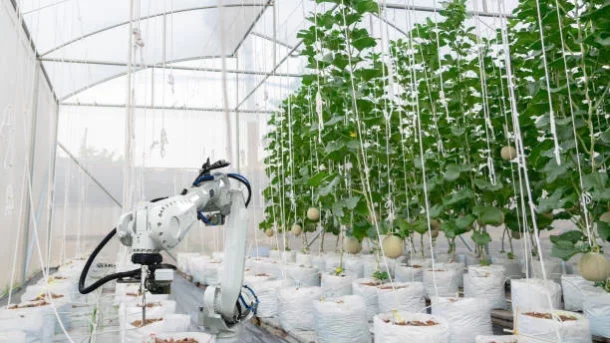
Robotics can automate repetitive and labor-intensive operations, lowering the need for manual labor and increasing labor productivity. They can efficiently and precisely carry out tasks including planting, harvesting, pruning, weeding, and spraying. Robots can boost production, lower labor costs, and solve labor shortages in agriculture by supplementing or replacing human labor.

Increased Precision and Accuracy: Tasks may be carried out by robots with a great degree of precision and accuracy thanks to their superior sensors, cameras, and AI algorithms. They can apply fertilizers, pesticides, or herbicides precisely where they are needed, reducing waste and harm to the environment.

Robotic workers are more productive because they can work continuously without taking breaks or resting, in contrast to human employees. They are able to operate in bad weather or off-peak hours, guaranteeing prompt assignment completion. This is especially helpful when performing time-sensitive tasks like planting or harvesting.

Robots with sensors and imaging systems can gather a huge quantity of information on crops, soil conditions, and weather-related variables. To get insights into crop health, growth trends, insect infestations, nutrient deficits, or disease outbreaks, this data can be examined using AI algorithms. Using data-driven decision-making, farmers may carry out focused interventions, allocate resources more effectively, and manage their farms more effectively overall.

 What are the advantages of hydroponic farming?

farming

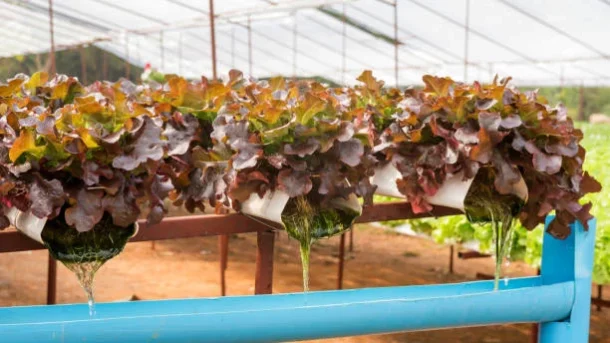
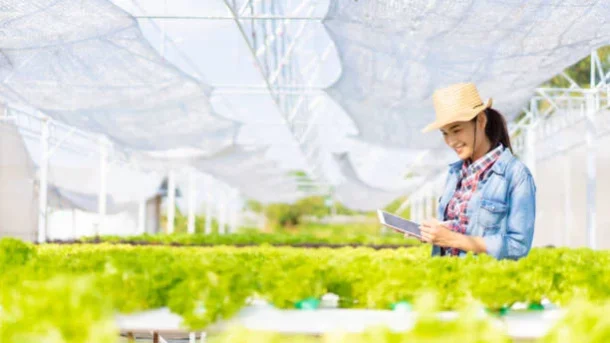
There are a number of benefits to hydroponic farming over conventional soil-based agriculture. The following are some major benefits of hydroponic farming:

Effective use of water: Compared to conventional soil-based agriculture, hydroponic systems significantly use less water because water is circulated inside the system. Because the water is fed directly to the plant roots, hydroponics can use up to 90% less water by reducing evaporation and runoff. Hydroponics’ regulated atmosphere also stops water from being wasted through overwatering or ineffective irrigation techniques.

Control of nutrients: In hydroponic farming, vital nutrients are dissolved in water and delivered right to the roots of the plants. This makes it possible to precisely manage the content, concentration, and pH levels of the nutrients, ensuring that plants get the right amount of nutrients for growth. 

Increased crop yields: Plants thrive under hydroponic systems’ perfect growing conditions. In comparison to conventional agriculture, plants can grow more quickly and create better yields with the proper ratio of nutrients, water, and sunshine. Hydroponics’ carefully regulated environment rids plants of soil-borne pathogens and pests, lowering crop losses and enabling them to grow to their full potential.

Hydroponic systems are created to make the most of available space. In contrast to conventional soil-based techniques, plants are grown vertically or closely together in these arrangements. Because of this, hydroponics is especially well suited for metropolitan settings or places where there is a shortage of available land. Hydroponics can grow more food with less space by stacking systems and utilizing vertical space.