For the diagnosis and management of plant disease, artificial intelligence (AI) has tremendous potential. Here are some ways AI can advance this area:
Early detection and diagnosis: AI systems can examine a lot of data, including photos, sensor readings, and historical records, to find and identify plant disease early on. AI may learn to recognize disease signs, trends, and indicators that may be challenging for human observers to notice by training machine learning models on a variety of datasets. Early detection allows for prompt intervention and therapy, which slows the progression and effects of disease.
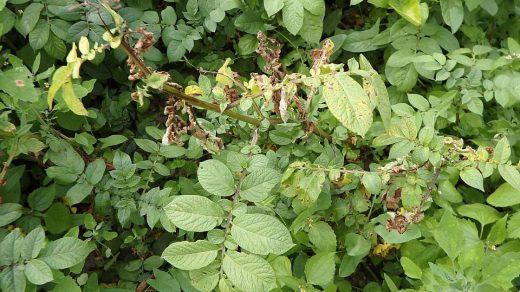
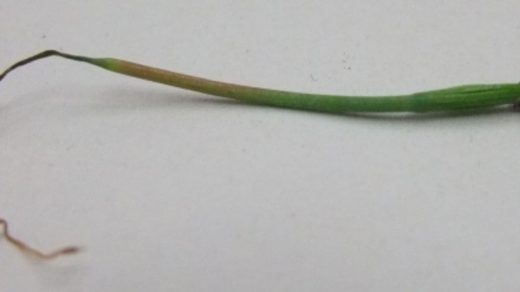
Image analysis and recognition: AI-powered image recognition systems can examine plant photos taken by cameras or drones and spot lesions, lesions, illness symptoms, and other visual signs of disease.
Remote sensing and data integration: AI can use remote sensing data to monitor crop health and spot disease outbreaks over wide areas, such as satellite imaging or drone-based multispectral photos. Artificial intelligence (AI) can evaluate complicated interactions and correlations to discover illness risk factors and forecast the prevalence of diseases by combining data from various sources, such as meteorological data, soil conditions, and historical records. The decision-making process for managing and preventing diseases is improved by this data-driven approach.
Disease modeling and prediction: Using environmental factors, crop growth stages, and past disease data, AI can create predictive models that predict disease outbreaks. Artificial intelligence (AI) algorithms can produce precise disease risk assessments and offer early warning systems by evaluating enormous datasets and locating pertinent variables. These forecasts assist farmers in implementing precautionary measures and resource of farm.