Post-harvest management

How is the agriculture sector addressing the issue of post-harvest losses?

post-harvest

Improved Harvesting Methods: Using good harvesting methods, such as sharp instruments, timing, and handling procedures, can lessen physical harm to crops when they are being harvested. As a result, there is a lower chance of post-harvest losses from bruising, cutting, and mechanical harm.

Efficient Handling and Transportation: To avoid post-harvest losses, good handling and transportation procedures are essential. This entails making use of the suitable packaging materials, cutting down on handling distance and time, and assuring efficient loading and unloading procedures. Effective transportation systems, such as cold chain infrastructure and refrigerated vehicles, aid in preserving product quality and reducing losses during transit.

Investing in better storage facilities, such as cold storage, silos, and warehouses, can considerably lower post-harvest losses. crops against pests, pathogens, dampness, and temperature swings with the use of adequate storage facilities.

Value-Added Processing: By transforming perishable crops into processed goods with longer shelf lives, value-added processing can help reduce post-harvest losses for agricultural products. Processing methods including canning, freezing, juicing, and drying help maintain the nutritional content of crops while minimizing spoilage losses.

How Post harvesting is done in Carnation Flower Growing?

Flower

As soon as the flowers are harvested, they should be placed in a container or plastic bucket with clean water or in any floral preservatives. After harvest, the carnations should be pre-cooled at 20°C for 2 to 3 hours. Grading of carnations should be done based on the stem length and bud size. Usually, any flower market requires a bunch of 10, 15, 20, or 25 flowers which should be tied with a rubber band and the blooms covered with butter paper sleeves.

How grading is carried out in Aonla?

grading

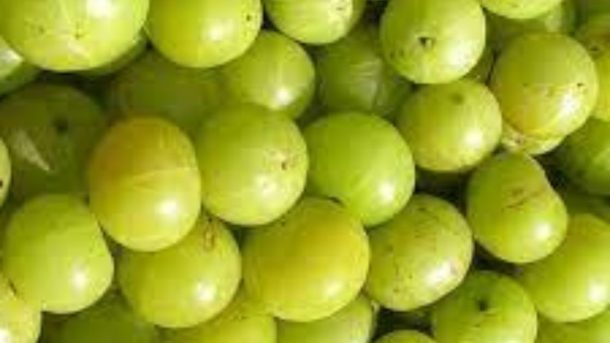
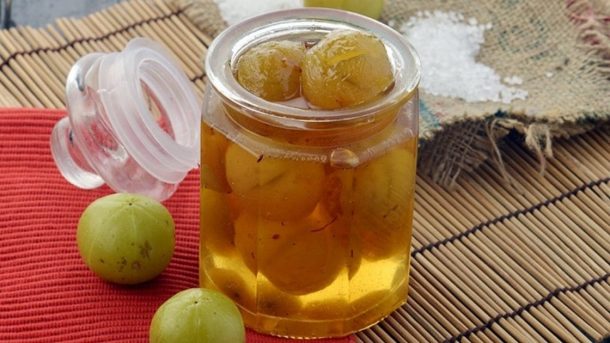
Since, very little work on grading in aonla is reported. However, aonla fruits are graded into 3 grades i.e., large sized, small sized and blemished fruits. Large sized, sound fruits are mostly utilized for preserve and candy; small sized for Chavan rash and trifala and blemished fruits for powder and shampoo making.

What is Kufri Chipsona-1 and it belongs to which variety?

Kufri

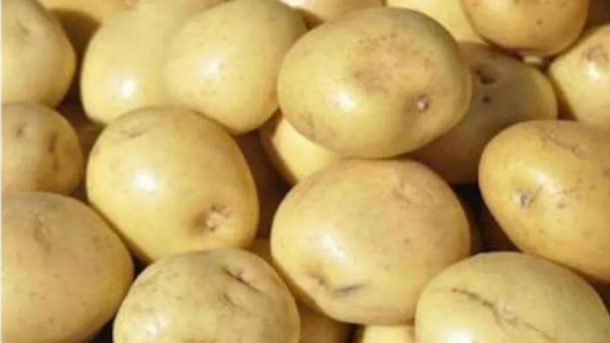
It is the variety belongs to potato. The variety is a selection from the progeny of the cross CP2416 × MS/78-79. The female parent CP2416 was the Mexican genotype MEX 750826, while the male parent MS/78-79 was from Indian potato breeding programme which involved Kufri Jyoti and EM/H-1601 in its parentage. The variety produces white-cream ovoid tuber with shallow eyes and white-cream flesh. The variety produces nearly 30-35 t/ha yield under north Indian plains of the country. Its dry matter content is 20-23% and reducing sugar content is 10-75 mg/100 g fresh weight. The variety yields processing grade tubers to the tune of 60-75%. The variety has good late blight resistance and is well adapted to Indo-Gangetic plains. The tubers possess excellent keeping quality. The variety is suitable for making chips, French fries and flakes.

How Postharvest management is done in king chilli in northeast India?

chilli

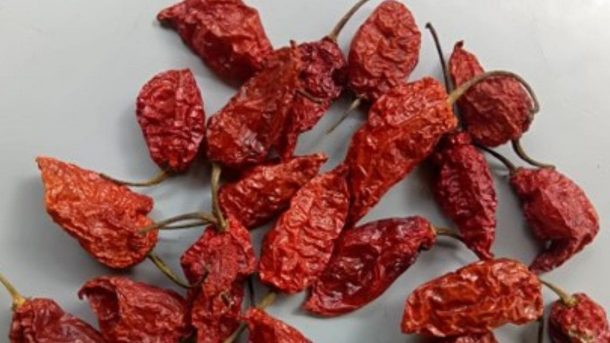
In India, chilli is used in three different forms such as fresh green chilli, red grind and raw red. Ripen chillies are traditionally sun dried and procedure takes 3 to 4 days, depending on the weather conditions and then grinds in local huller mill and stored. Mainly dry king chillies are sold due to their very high level of perishability. The Naga King Chilli has a poor shelf life and deteriorates fast if stored under normal conditions for a long period. However, in cold storage the product may be stored for 8-10 months.

How drying of Cocoa beans is done?

Cocoa beans

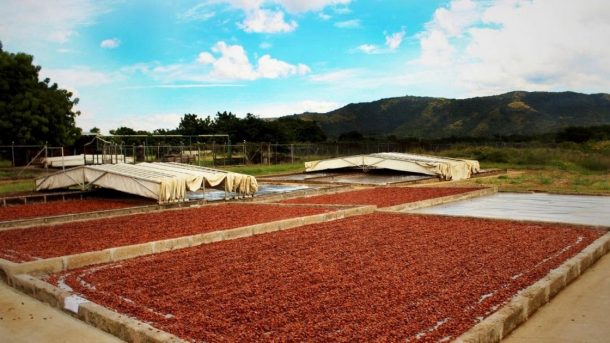
After completion of fermentation, bean is transferred to drying mats or tables or other surfaces depending on the method. During drying, the fermentation process is completed. The next step after the fermentation process is the drying of the Cocoa beans. Under insufficient methods and circumstances, drying can result in loss of quality and production losses. Artificial drying includes the use of an artificial source of heat like fires. Severe rainfall can cause moulding of Cocoa beans and decrease quality. Drying take about 1 week in the sun and gets the bean moisture down to about 7.5 %. Dried beans are sold in jute bags.

How fermentation of Cocoa is done?

Cocoa

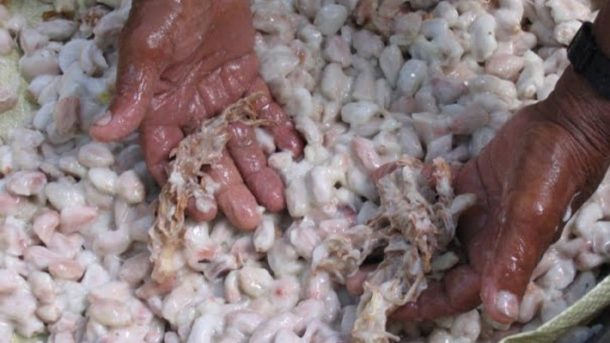
Fermentation takes around 5 to7 days, will be based on the temperature and season. There are several ways in which farmers can involve in the process of Cocoa fermentation. After the Cocoa pulp and beans are removed from the husk, small holders naturally cover the heaps of Cocoa with banana or plantain leaves and let them ferment foe nearly 5 days. This traditional approach to fermentation, though is prone to environmental risk factors. Periods of intense rainfall increase the time required for the fermentation process. Droughts, temperature changes and prolonged dry seasons affect the overall quality and flavor of the product. Farmers occasionally mix the heap on the 2nd or 3rd day to allow for aeration and a more uniform fermentation. In the fermentation process, the Cocoa flavor develops and the beans turn brown.

Why are grains dried before storage?

grains

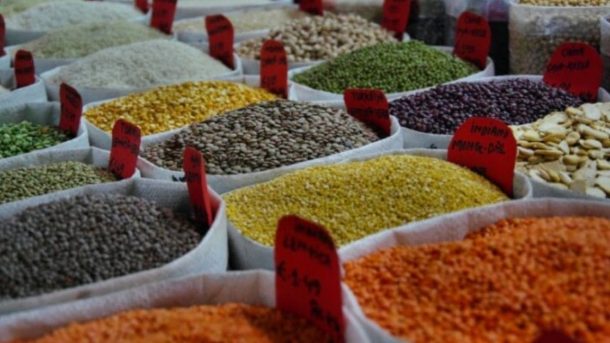
If grains that have been freshly harvested are stored without drying, then they may be spoiled due to micro-organism infestation. Drying the grains removes moisture from them so as to improve their shelf life and reduces the attack by insects, pests, bacteria and fungi. If the grains or seeds are to be used for sowing then moist grains lose the ability of germination very fast. So, it is always advised to dry the seeds up to 12% before storing.