Water conservation

What are the issues related to social inequality and marginalized communities in the agriculture sector?

marginalized

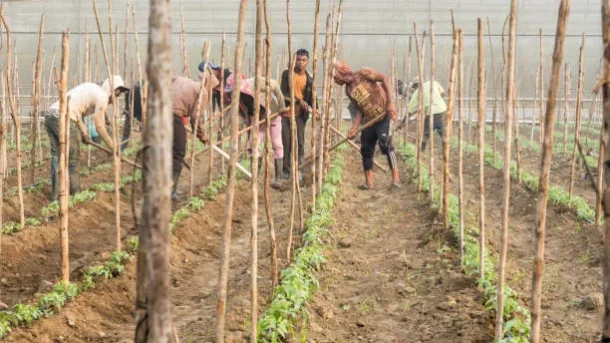
Resources: Marginalized populations frequently have hurdles to obtaining the land, water, credit, inputs, and technologies that are necessary for agriculture. The full participation of marginalized farmers in agricultural operations and the realization of their agricultural potential may be hindered by discriminatory practices, restricted rights to land tenure, and unequal resource allocation.

Income inequality: The agriculture industry can have considerable income inequalities as a result of social inequality. Small-scale farmers, migrant workers, and indigenous populations who live in marginalized communities may have lower earnings and less access to markets. Due to their weak bargaining position and unfair business tactics, they frequently encounter difficulties securing a fair part of the value chain.

Limited market access: Marginalized populations frequently experience difficulties reaching markets as a result of a variety of issues, including isolation owing to geography, poor transportation infrastructure, a lack of market knowledge, and few market connections. This restricts their capacity to interact with customers, work out better deals, and engage in marketplaces with higher value.

Marginalized populations are frequently underrepresented in decision-making processes including agricultural policies, resource distribution, and market rules. Their opinions and viewpoints can go unheard, resulting in laws and procedures that do not sufficiently take into account their requirements or aid in the growth of their agriculture.
How does the limited availability of land and competition for resources affect agricultural expansion?

agricultural

Land scarcity: As the world’s population rises, there is a finite amount of land that can be used for agriculture. The amount of land that is accessible for farming generally decreases as a result of urbanization, industrialization, and infrastructural development that frequently encroach on agricultural land. The lack of available land makes it difficult to increase agricultural production and satisfy the rising food demand.

Land degradation and intensification: To optimize output from scarce land resources, farmers may turn to increasing agricultural practices in response to a lack of available farmland. This may entail using more fertilizers, herbicides, and machinery. However, if intensive farming methods are not managed responsibly, they can result in soil erosion, land degradation, and loss of soil fertility, further reducing the potential for development.

Water scarcity: Another barrier to agricultural expansion is competition for limited water supplies. The supply of irrigation water for agriculture is decreased by water shortage, which is made worse by climate change and rising water demands from other industries. Crop growth, yields, and the expansion of farming operations can all be hampered by a lack of water supplies.

Access to inputs: The spread of agriculture may be hampered by a lack of resources like seeds, fertilizer, and pesticides. Prices for these inputs may increase due to high demand and fierce competition, making them less accessible and affordable, especially for small-scale farmers. The expansion of agricultural activity is restricted by the lack of access to necessary inputs, which also affects output.

How does the lack of research and development investments hinder innovation in agriculture?

research and development

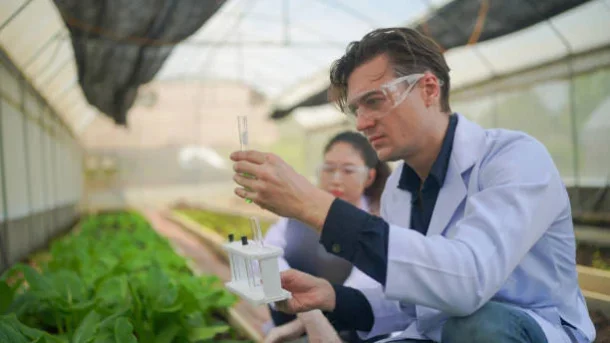
Limited technological progress: R&D expenditures are essential for advancing agriculture’s technology. These investments aid in the creation of novel crop varieties, enhanced agricultural techniques, mechanization, precision farming, and eco-friendly farming methods. Without sufficient financing for research and development R&D, technical advancement moves more slowly, making it harder to access cutting-edge equipment and methods that could boost agricultural output, sustainability, and resilience.

Inadequate responses to new problems: Agriculture has several difficulties, such as pests and illnesses, soil deterioration, water scarcity, and shifting consumer needs. Investments in research and development R&D are required to address these issues by creating cutting-edge technology and solutions. Research into climate-resilient crops, sustainable production methods, precision agricultural technologies, and other farming aids is lacking due to a lack of financing.

Limited adoption and knowledge transfer: R&D investments not only produce new knowledge and technology but also make it easier for people to use and accept them. research and development R&D initiatives offer advice, best practices, and extension services based on evidence to assist farmers in understanding and utilizing novel ways. The dissemination of new technology and techniques to farmers is hampered by a knowledge transfer gap caused by insufficient R&D investments. Due to slower adoption rates, innovations’ potential effects on farm productivity and sustainability are constrained.

Inadequate capacity building and human capital development: R&D investments help the agricultural sector increase capacity and develop human capital. The training of scientists, researchers, technicians, and extension personnel who may promote innovation and information dissemination is supported by these investments. Lack of R&D funding decreases.

What are the challenges faced by farmers in adopting and implementing good agricultural practices?

good agricultural practices

Knowledge and awareness: Farmers may face serious difficulties if they lack knowledge and awareness of the advantages and methods of good agricultural practices GAPs. Many farmers might not be aware of the most recent findings and recommended procedures in sustainable agriculture, such as crop rotation, agroforestry, integrated pest management, and soil and water management methods. Farmers’ capacity to properly adopt and apply GAPs may be hindered by a lack of access to information, training, and extension services.

Adopting good agricultural practices GAPs frequently necessitates having access to resources and inputs including high-quality seeds, fertilizer, herbicides, and farm equipment. Small-scale farmers who might not have the financial resources to invest in these resources may find it difficult to get these inputs due to their limited supply or high cost.

Technical expertise: Building technical expertise and ability is frequently necessary for the implementation of good agricultural practices GAPs. Farmers must comprehend and put into practice sophisticated procedures for managing soil, integrated pest management, water conservation, and other sustainable agricultural methods. Farmers’ capacity to acquire the skills and information required for a successful adoption of GAPs may be hampered by limited access to training programs and technical assistance.

Financial restrictions: The switch to GAPs could necessitate initial investments in infrastructure, tools, and inputs. Farmers may experience financial difficulties when making these investments, particularly if the rewards are delayed or if funding is difficult to come by. Farmers may be hesitant to embrace GAPs due to a lack of financial incentives or support systems for sustainable farming techniques.

How does the depletion of natural resources, such as water and fertile land, pose challenges in agriculture?

depletion

Challenges with irrigation and water scarcity: Agriculture requires a lot of water, and as a result of resource depletion, there may be a shortage of freshwater, especially in areas that are prone to drought. Farmers encounter difficulties obtaining sufficient water for irrigation as water sources become scarcer, which has an impact on crop development and production. Additionally, as a result of water shortage, household, industrial, and agricultural sectors all compete more fiercely for water supplies.

Reduced soil fertility and degradation: Fertile land is necessary for good crop production, but its depletion can happen as a result of unsustainable farming methods, such as overusing chemical fertilizers, having poor soil management, eroding land, and cutting down trees. Farmers struggle to preserve soil fertility on damaged or lost fertile land, which negatively affects crop productivity and the environment.

Agriculture depends on ecological services including nutrient cycling, natural pest control, and pollination, all of which depend on biodiversity. Natural resource depletion can cause habitat loss, fragmentation, and degradation, which will reduce biodiversity and impair ecosystem processes. Without these ecosystem services, farmers could be forced to rely more on artificial inputs, like chemical pesticides and fertilizers, to make up for the loss of natural processes, which would increase their dependency on them and increase their costs as well as the risk to the environment.

Climate change effects: Agriculture is more susceptible to the effects of climate change as a result of the depletion of natural resources. The availability and timing of water for irrigation are impacted by water scarcity and variations in precipitation patterns.

What are the issues related to food waste and loss in the agricultural value chain?

waste and loss

Food waste and loss in the agricultural value chain result in a considerable loss of edible food that could otherwise be utilized to feed people, which has an impact on food security. In areas where access to food is already scarce, this loss exacerbates food insecurity and makes people hungry. Improving food security and lowering global hunger require addressing food loss and waste.

Economic losses: For farmers, food producers, and distributors, food waste and loss represent a considerable economic loss. The resources used to produce, process, package, and transport the food are also wasted when it is wasted or lost at various points along the agricultural value chain. Businesses suffer financial losses as a result, which also lowers the agriculture sector’s overall profitability and competitiveness.

Environmental impact: Food waste and loss have a big impact on the environment. Food waste results from the loss of resources used in the growing, processing, and distribution of food, such as land, water, energy, and inputs. The production of food that is wasted has an impact on the environment since it increases greenhouse gas emissions, water use, and energy consumption. Methane, a strong greenhouse gas, and landfill trash are two more effects of food waste.

Loss of agricultural productivity: Pests, illnesses, and poor storage conditions cause food loss not only during the post-harvest and distribution phases, but also in the pre-harvest phases. Such losses decrease the effectiveness of the entire agricultural value chain and represent a waste of agricultural productivity.

How does the lack of awareness and education about sustainable farming practices hinder progress in the sector?

sustainable farming

Resistance to change: Without knowledge of and instruction in sustainable farming methods, farmers could not understand the advantages and significance of implementing sustainable practices. They might still rely on antiquated, ineffective methods that could be damaging to the environment. Lack of knowledge can lead to resistance to change, which can obstruct the adoption of sustainable methods and the advancement of agricultural sustainability.

Degradation of the soil and decreased productivity: To maintain the fertility and health of the soil, it is crucial to employ sustainable farming methods such crop rotation, conservation tillage, and organic fertilizer. Farmers may continue to use extensive chemical inputs, excessive tillage, or monocropping without being aware of and educated about these practices, resulting in soil deterioration, erosion, and decreased long-term productivity.
The efficient use of water resources, the decrease of chemical inputs, and the proper management of agricultural runoff are all promoted by sustainable farming methods. This reduces water pollution and the depletion of resources. Without awareness and instruction, farmers may unwittingly use excessive amounts of agrochemicals, dispose of trash improperly, or utilize insufficient irrigation techniques that lead to water contamination. The development of ecologically sustainable agriculture might be hampered by the depletion of water resources and the polluting of water bodies caused by a lack of knowledge about sustainable water management practices.

Environmentally harmful effects: Sustainable farming methods work to reduce harmful effects on the environment, such as greenhouse gas emissions, habitat degradation, and biodiversity loss. Farmers might not be aware of the links between their farming practices and these environmental problems, though, without knowledge and education.

How does the lack of agricultural extension services and technical support affect farmers’ knowledge and skills?

knowledge

Limited Information Access: Agricultural extension services are essential in providing farmers with timely and pertinent information. They offer useful information on contemporary technologies, market trends, and the control of pests and diseases as well as better farming techniques. Without access to extension services, farmers might not be aware of the most recent developments in agriculture and might not have the knowledge they need to improve their farming practices.

Reduced Uptake of Best Practices: Agricultural extension services aid farmers in implementing best practices and cutting-edge farming methods. Sustainable soil management, water conservation, integrated pest management, and climate-smart agriculture are a few examples of these techniques. Farmers may rely on conventional, ineffective techniques in the lack of expert assistance, making it difficult for them to increase productivity and sustainability.

Limited Skill Development: Technical assistance and extension services give farmers the chance to receive training and develop their capacities. They provide hands-on training, workshops, and practical demonstrations on a variety of agricultural topics, including crop production, livestock management, and post-harvest handling. Farmers’ capacity to learn new skills, broaden their knowledge, and adjust to changing agricultural techniques is constrained by a shortage of these services.

Ineffective Problem-Solving and Troubleshooting: Technical assistance is essential for farmers to overcome obstacles and resolve issues they run into on their farms. On-site help, problem-solving, and issue identification are all capabilities of extension workers. Without such assistance, farmers could find it difficult to identify and treat crop diseases, pest infestations, nutrient deficits, and other agronomic problems.

How does the volatility of weather patterns and extreme weather events pose challenges to farmers?

extreme

Crop Yield and Quality: Unpredictable weather patterns, such as erratic precipitation, droughts, floods, heat waves, and severe storms, can directly affect crop yield and quality. Rainfall that is too little or too much can cause water stress or waterlogging, which can have an impact on plant development and productivity. Extreme temperatures have the potential to harm crop development and lower yields. Additionally, such variations may affect the nutritive value and market price of crops.

Crop Selection and Timing: Farmers find it difficult to choose appropriate crop kinds and arrange their planting schedules due to unpredictable weather patterns. For maximum productivity and climatic compatibility, crop scheduling and selection are essential. Weather pattern changes can interfere with conventional farming methods, resulting in the selection of less-than-ideal crops and lower yields.

Outbreaks of pests and diseases: Extreme weather conditions and climate change can have an impact on the occurrence and range of invasive species, diseases, and pests. Warmer temperatures, more humidity, and irregular rainfall patterns might encourage the growth of pests and illnesses. This could affect output and profitability by causing pest outbreaks, crop damage, and a greater reliance on pesticides.

Water management: Modifying weather patterns have an impact on the management of and access to water for agriculture. Water shortages and droughts can diminish crop water availability and restrict irrigation alternatives. On the other hand, heavy rains can cause runoff, waterlogging, and soil erosion, which can be detrimental to the health of the soil and crop growth.

What are the problems caused by unsustainable agricultural practices, such as monocropping?

monocropping

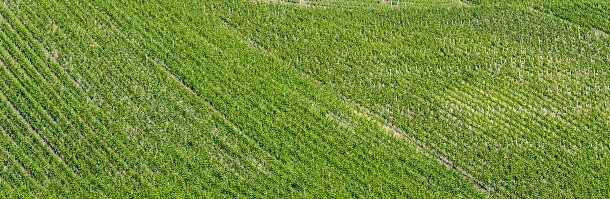
Monocropping, which involves cultivating the same crop repeatedly, causes the soil to become depleted of certain nutrients and subject to erosion. This eventually results in decreased soil fertility, decreased organic matter levels, and deterioration of soil structure.

Increased Dependence on Chemical Inputs: To sustain crop yields, monocropping frequently makes heavy use of chemical pesticides and fertilizers. It may be necessary to apply chemical inputs while cultivating a single crop continuously since it can foster the growth of pests and illnesses. This may contribute to pesticide resistance growth and environmental contamination.

Loss of Biodiversity: Because monocropping systems often have fewer plant species, there are less habitats and food sources available to birds, beneficial insects, and other organisms. By upsetting the ecological balance, decreasing the effectiveness of natural pest management, and endangering pollinators, this loss of biodiversity makes plants less resilient and more susceptible to insect outbreaks.

Monocrop fields are more vulnerable to erosion because they lack a variety of plant species and their root systems. The risk of soil erosion by wind and water, which can cause the loss of fertile topsoil and sedimentation in water bodies, is increased by the absence of ground cover.