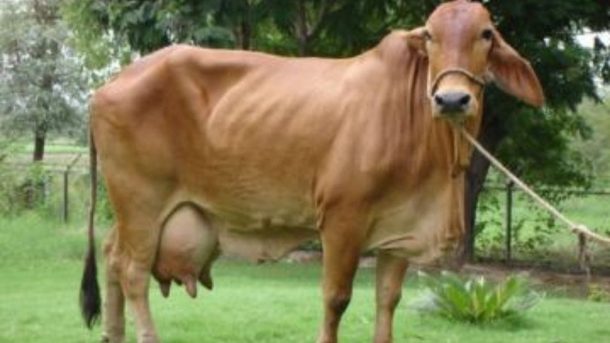
The breeds of cow famous as milk breeds in India are Sahiwal, Red sindhi, Gir and Tharparkar.
Livestock
How many acres does someone need for a cow?
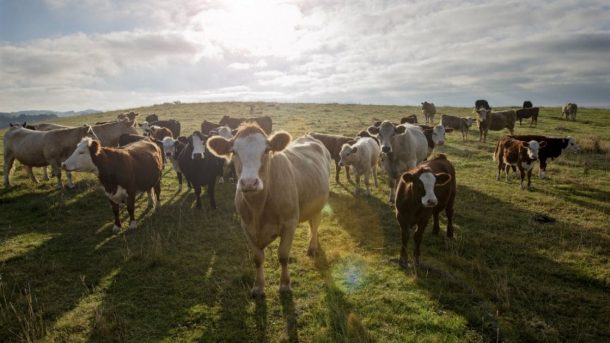
The minimum space required by a cow in a closed area like a shed is 40 sq ft whereas in an open area, the space required by a single cow is 80 sq.ft. Overall, in a small cattle farm of 20 animals, the minimum land area required is around 100 then the farm area should be increased to 15000 sq.ft. Dairy buffaloes need a little more space when compared to the cows i.e., a single buffalo may need 40 – 45 sq. ft of area.
What is the best laying hen?
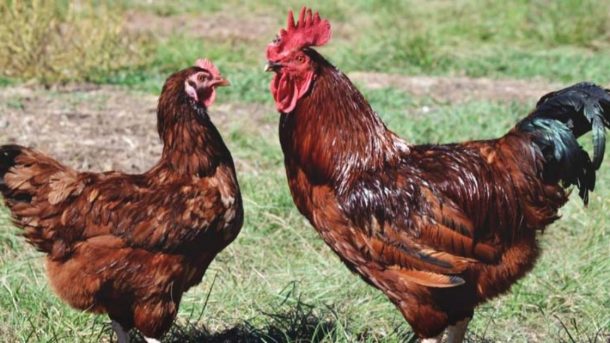
The Rhode Island Red is the best laying type hen of American origin. It is known to serve dual purpose i.e. for both eggs and meat. These hens are popular backyard breeds which are tough and lay number of eggs. The average number of eggs lay in one year is 250.
Which materials can be used for constructing a poultry house?
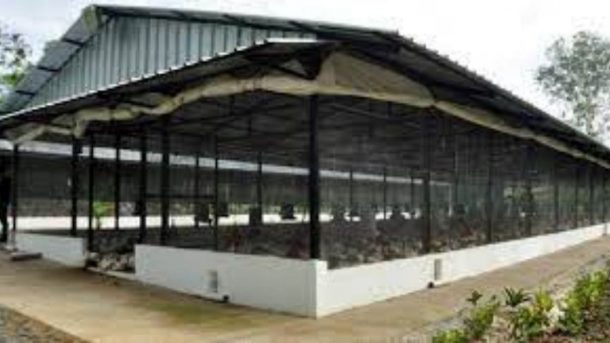
The floor of the poultry house should be made of concrete. The roof of the poultry house can be made of concrete, asbestos, tiles, thatched roof etc. Apart from all these iron sheets, grass, palm leaves can be used to cover the roof. The walls can be erected using bricks, sand blocks, iron sheets, wood and mud. Care should be taken such that there are no cracks in the floor of walls otherwise there would be a risk of parasitic infestation.
What is a fish handler’s disease?
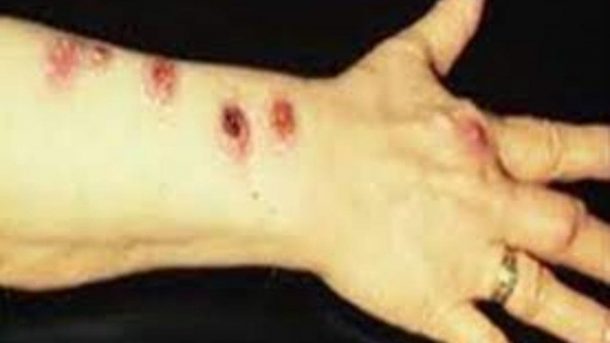
This disease is addressed with many names such as fish poisoning, erythematic migrants, sealer’s finger, whale finger, bubble finger, fish hand, fish handler’s disease etc. it affects the people who handle the fish and their wastes. The incubation period for the bacteria is 1-7 days and the symptoms are fever, pain in muscles and joints, sometimes internal infection may occur in the nervous system and heart, bluish-purple spots etc. Commonly it is observed on the hands. Any cut or small opening on the skin surface can cause the bacteria from fish to enter the body, but the bacteria have an inability to proliferate in the warm body conditions and remains confined to the affected area causing itching, pain and swelling. Antibiotics can help relieve the problem.
What causes brown blood disease in fish and how is it dealt with?
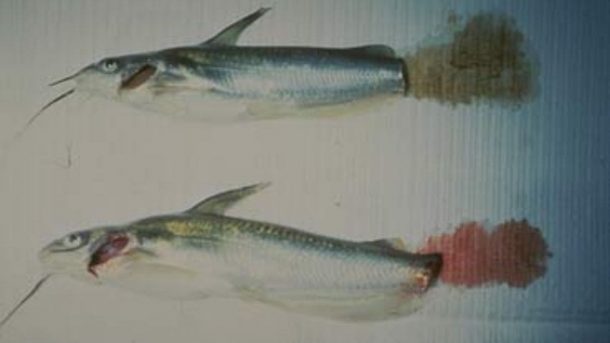
Excess nitrate levels in water bodies where fish are farmed cause brown blood disease. It can be also be addressed as nitrate poisoning because the nitrate in water oxidizes the hemoglobin in the fish blood cells and converts it into a compound called met hemoglobin. This compound obstructs the oxygen intake due to which the fish in water experience oxygen stress and die immediately. Administering proper antibiotics can help overcome this problem, but most importantly care should be taken such that the disease doesn’t occur.
What causes fungus in fish tanks?
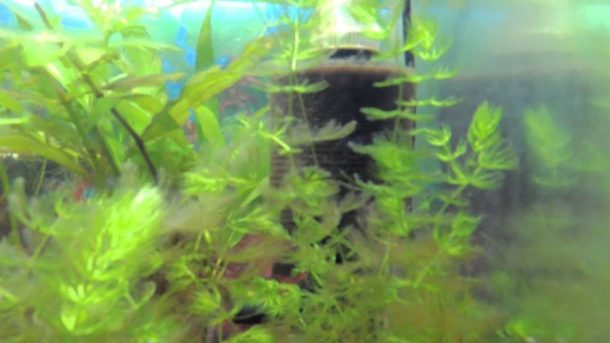
Fungus can develop within the tanks or fish farms due to several reasons such as poor water quality, low maintenance of the farms, improper hygiene, un-noticed diseased or injured fish in the pool, dead fish which start decomposing etc. cleaning the fish farming tanks or areas and disinfecting them properly is a necessity to control fungus within the tanks or pools.
What is recirculating in aquaculture/Pisciculture systems?
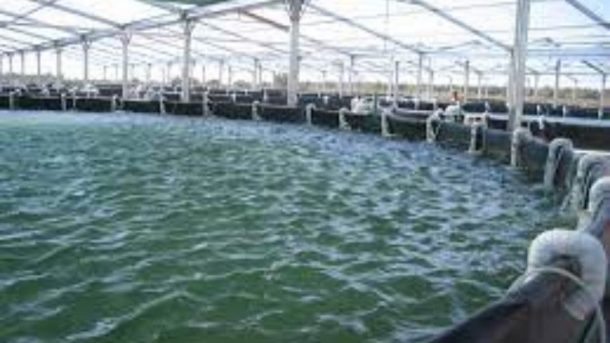
This is a method by which exchange of water is minimized due to use of bio-filtration and other environmental control techniques to recycle the used water. The water is treated with a series of processes such that the need for fresh, clean water is reduced to maintain fish or other aquatic stock in the farms. Some of the measures in the recirculating of water involve bio-filtration, solid removal, oxygenation, pH control, temperature control and bio-security.
How often do you feed fish in fish farms?
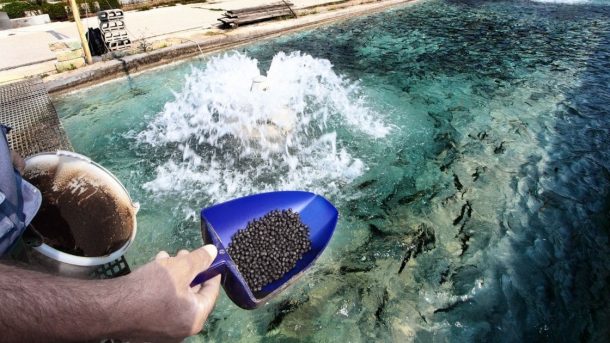
Each species of fish has a different feeding habit and behavior; also, it is dependent upon the stage of the fish. At the larvae stage rice barn and groundnut oil cake in the ratio 1:1 is given for 15 days so as to produce fry fish of 300 g weight and 15-25 cm length. Similarly, at the fingerling stage and fully grown stage, the ratio of feed is increased. The feeding methods can be studied in detail at Fish Farming Business.
What is stocking of fish and what is the density of stocking fish?
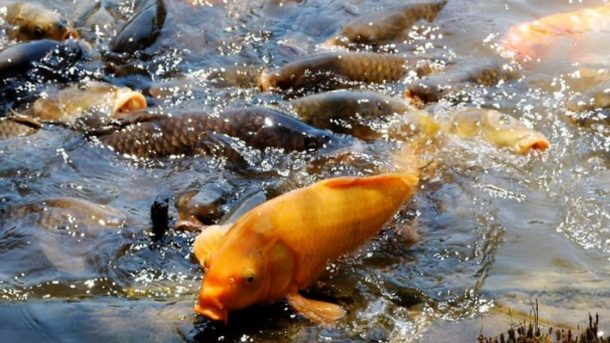
Fish are raised in a hatchery and then released into water bodies so as to supplement the present population or to create a new population of fish. Generally stocking is done for commercial benefits, but sometimes it is also useful in restoring the threatened species of fish. The minimum stocking density is for all different species of fish are different and it also depends on the size of the fish. For e.g., if the size of silver carp is 7-10 cm, then the stocking density is 3000 fish per hectare. Similarly, for Mrigal fish of the same size the stocking density is 500 fish per hectare.