Livestock

How can we reduce desertification?

Soil

Reducing desertification requires a multi-faceted approach that addresses both the natural and human causes of the problem. Some strategies that can help reduce desertification include:

  • Sustainable land use practices: This involves reducing human activities such as overgrazing, deforestation, and improper irrigation methods that can lead to soil degradation and loss of vegetation.
  • Water management: Improving water management practices, such as rainwater harvesting, can help to reduce soil erosion and increase water availability for vegetation.
  • Reforestation: Planting trees can help to prevent soil erosion, increase moisture levels in the soil, and provide habitat for wildlife.
  • Sustainable agriculture: Adopting sustainable agriculture practices, such as crop rotation, conservation tillage, and the use of drought-resistant crops, can help to reduce soil degradation and improve food security.
  • Fire management: Controlled burning can help to reduce the risk of wildfires, which can be a major cause of soil degradation and loss of vegetation in dryland areas.
  • Climate change mitigation: Addressing the underlying causes of climate change, such as reducing greenhouse gas emissions, can help to reduce the impacts of desertification by slowing down the rate of climate change and its impacts on the land.
  • Community involvement: Encouraging local communities to participate in efforts to reduce desertification can help to build support and increase the chances of success.
What is Desertification?

Dry land farming

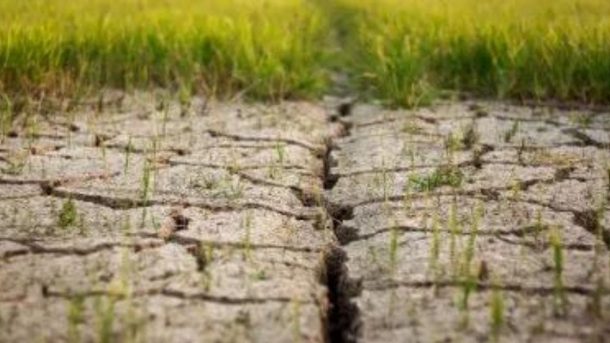
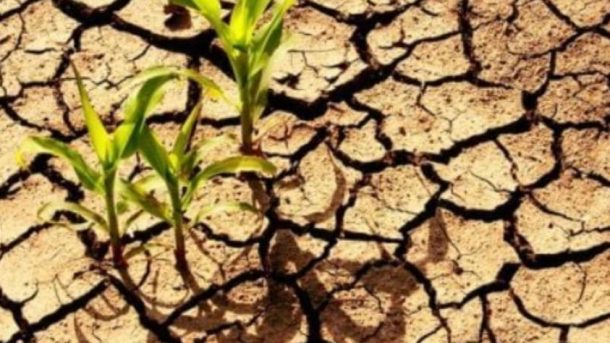
Desertification is the degradation of the land in arid, semi-arid, and dry sub-humid regions as a result of a variety of reasons, including climate variations, human activity, and improper management of natural resources. It has a negative impact on biological productivity, plant cover loss, soil erosion, and the quantity and quality of available water resources.
This may result in a decrease in the ability of the land to support both human and animal life, as well as serious social and economic issues for the neighborhood, especially for people whose livelihoods depend on agriculture and cattle.
The once-fertile land can sometimes become entirely dry and unable to support any life, as a result of the process of desertification.

What is Anthrax disease?

animals

Anthrax disease, a highly infectious and fatal disease of cattle, is caused by a relatively large spore-forming rectangular shaped bacterium called Bacillus anthracis. Anthrax causes acute mortality in ruminants. The bacteria produce extremely potent toxins which are responsible for the ill effects, causing a high mortality rate. Signs of the illness usually appear 3 to 7 days after the spores are swallowed or inhaled. Once signs begin in animals, they usually die within two days.

Hoofed animals, such as deer, cattle, goats, and sheep, are the main animals affected by this disease. They usually get the disease by swallowing anthrax spores while grazing on pasture contaminated (made impure) with anthrax spores. Inhaling (breathing in) the spores, which are odorless, colorless, and tasteless, may also cause infection in animals and people.

How does livestock affect the environment ?

livestock affect

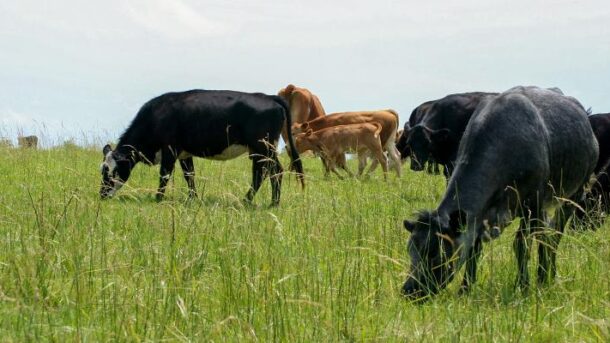
Livestock production has a significant impact on the environment, both positively and negatively. Some of the ways that livestock affect the environment include:

  • Greenhouse gas emissions: Livestock farming significantly affects greenhouse gas emissions, including methane and carbon dioxide. This contributes to global warming and climate change.
  • Land use: Livestock production requires large amounts of land, which can result in deforestation and loss of natural habitats. This can lead to soil erosion, loss of biodiversity, and decreased water quality.
  • Water use: livestock affect production also requires large amounts of water, which can result in water scarcity and reduced water quality in areas where water is limited.
  • Waste management: Livestock produces large amounts of manure, which can be a significant source of pollution if not properly managed. Manure can leach into groundwater and streams, causing environmental problems.
  • Biodiversity: Livestock production can also negatively impact biodiversity, as large-scale grazing and the conversion of natural habitats into agricultural land can result in the loss of species and the degradation of ecosystems.

On the positive side, livestock can also provide important environmental benefits, such as the production of organic fertilizer, the creation of grazing lands that support wildlife, and the protection of landscapes through sustainable land use practices.

What is Lumpy disease and its treatment in cattles?

Lumpy

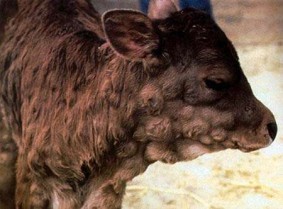
Lumpy skin disease (LSD) is a viral disease of cattle that is caused by the lumpy skin disease virus (LSDV). It primarily affects the skin and subcutaneous tissues of infected animals, resulting in nodules and lumps that can be painful and interfere with the normal movement and grazing of the animal.
The disease is spread by the bite of infected mosquitoes and can also be spread by contaminated needles, instruments, and equipment used in handling infected animals. LSD is an economically significant disease as it affects the quality and quantity of dairy production.
Control measures for LSD include vaccination, improved vector control, and early identification and quarantine of infected animals.

Role of cow urine in Agriculture practice

Beejamrutha

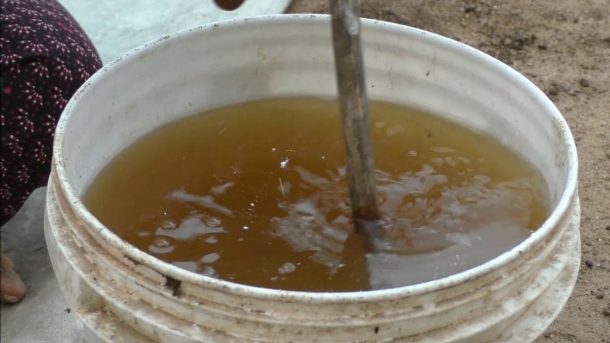
Cow urine is also used in agricultural practices as a natural fertilizer and pest repellent. It is believed to contain nutrients such as nitrogen, phosphorus, and potassium, as well as hormones and enzymes that can promote plant growth. In Ayurvedic medicine, cow urine is also used as a disinfectant and treatment for various ailments.

It is used as a natural pesticide by mixing it with neem oil and other botanical extracts, this mixture is called ‘Panchagavya’ and is used for spray on crops to protect them from insects and pests.

Additionally, cow urine can be used as a soil conditioner, as it can help to improve the pH balance of the soil and increase the availability of nutrients for plants. It is also used as a growth promoter and to increase the yield of the crops.

Overall, cow’s urine is a valuable resource in agriculture and can provide a number of benefits when used as a fertilizer, pest repellent, and soil conditioner. However, it is important to note that more research is needed to fully understand the effects of cow urine on crop growth and yields.

Why do we castrate animals?

castrate animals

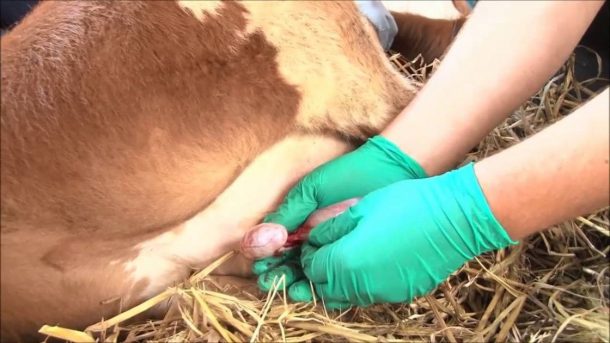
Traditionally farmers or animal raisers do not castrate animals and both males and females are allowed to mix together. The result is that poor males are allowed to mate with the females and the young stock produced are not very good. Uncastrated males also fight so it is better to castrate the animals which are not the best for breeding.

What is Shearing in sheep?

sheep

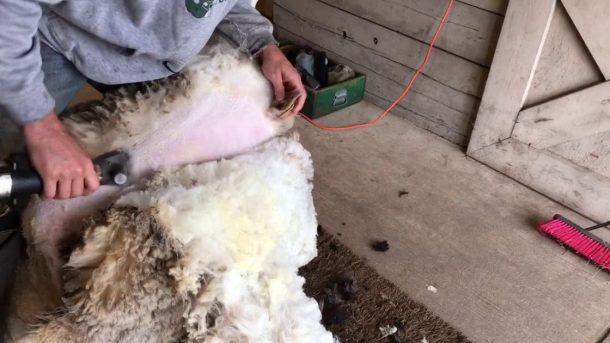
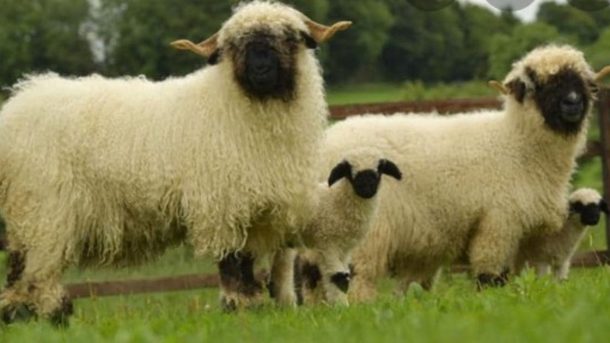
Shearing is the complete removal of the wool and is carried out using machine or hand shears. The valuable wool can then be used for clothing, carpets etc. Make sure that the wool is kept clean by not using too much marker paints on the animal and if it is your custom to wash your animal (Sheep) before shearing make sure that you wash them three or four days before shearing. After shearing keep the sacks of wool in a dry place on plastic sheets to stop them getting damp. If the animal is cut during shearing, treat all wounds immediately with tincture of iodine or gentian violet. If you have the means to dip your sheep, do it immediately after shearing.

What is Dagging in Sheep?

Dagging

Dagging or crutching is the cutting away of dirty, wet wool from around the tail and anus (crutch) of the sheep. The wet, dirty wool attracts flies especially the blow flies (bright green or blue in color). The flies lay their eggs on the wool and in one- or two-days’ maggots hatch from them. The maggots burrow into the skin and feed on the flesh of the sheep. The animal will be smelly, nervous, stamping its feet and wriggling its tail. Maggots must be removed from an infected sheep. Part the wool and look for the small holes where the maggots have entered the skin. Press all-round the hole with your fingers and the maggots will come out.

Dagging in sheep involves trimming soiled wool near the hindquarters, preventing maggots of different sizes from emerging. Clean the wound with tincture of iodine or gentian violet.

How many calves can a cow have in a year?

calves

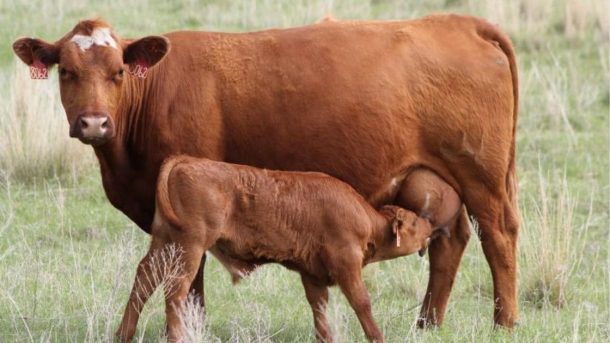
It is considered that for a dairy cow to continue producing milk, the minimum number of calves it should have in a year is one. Generally, a dairy cow gives birth to a calf every 12 or 14 months. Considering the present life span of dairy cow or cattle to be 6-8 years, it can be estimated that the cattle would give birth to 4-6 calves during their lifetime.