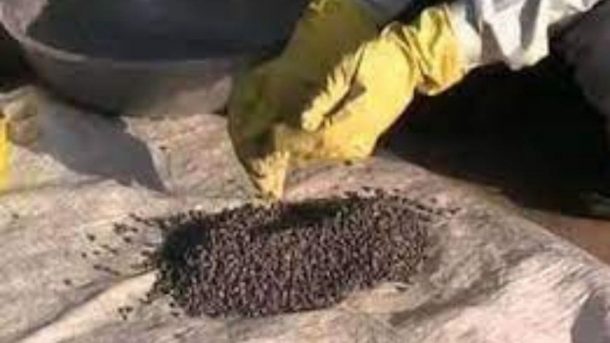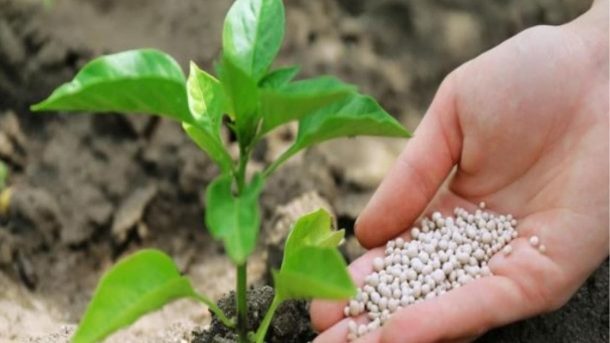
Bio Fertilizer

What are the recent advancements in agricultural biotechnology?

advancements in agricultural

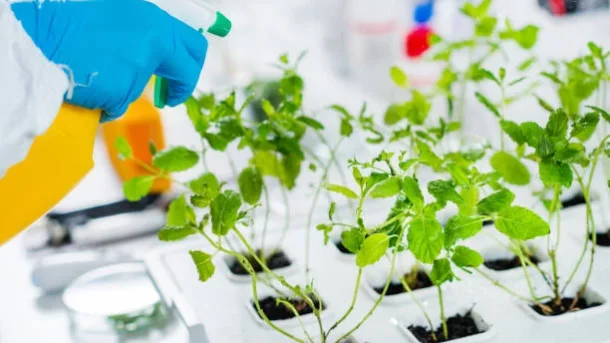
Recent advancements in agricultural biotechnology have the potential to drastically alter agricultural practices. These significant changes are listed below.

Genome editing: The world of biotechnology has undergone a transformation thanks to genome editing tools like CRISPR-Cas9. These techniques make it possible to precisely alter an organism’s genetic makeup, allowing for targeted modifications to particular genes. Genome editing in agriculture has the potential to produce crops with enhanced features, such as higher yields, better nutritional value, disease resistance, and resistance to environmental pressures.

Gene stacking is the process of integrating several advantageous genes into a single crop variety. Using this method, it is possible to simultaneously incorporate several advantageous qualities into a single crop, such as insect resistance, herbicide tolerance, and disease resistance.

Synthetic biology: To develop and build novel biological components, technologies, and systems, advancements in agricultural in synthetic biology blends biology, engineering, and computer science. Synthetic biology has the potential to produce bio-based chemicals, enzymes, and other substances with added value in the field of agriculture. It also provides chances to modify microorganisms and crops for better nutrient uptake, greater productivity, and environmental sustainability.

RNA-based vaccinations: With the introduction of COVID-19 vaccines, RNA-based vaccines have attracted a lot of attention recently. RNA-based vaccinations in agriculture have the ability to manage and prevent livestock diseases like foot-and-mouth disease or avian influenza. Compared to conventional vaccine production techniques, this strategy has advantages in terms of speed, scalability, and adaptability.

What is the role of microbial biotechnology in sustainable agriculture?

microbial biotechnology

By using microorganisms to improve many areas of agricultural practises, microbial biotechnology plays a key part in sustainable agriculture. Among the most important functions of microbial biotechnology in sustainable agriculture are as follows.

Biofertilizers: Microorganisms can symbiotically bond with plants or directly improve soil fertility. Examples include nitrogen-fixing bacteria like Rhizobia and phosphate-solubilizing bacteria. These helpful bacteria are found in biofertilizers, which are used to boost nutrient availability and uptake by plants and lessen the need for synthetic fertilisers. This enhances soil health, lowers environmental contamination, and promotes sustainable nutrient management.

Biopesticides: Microbial biotechnology provides pest and disease control agents made from microorganisms like bacteria, fungus, and viruses. The use of these biopesticides supports integrated pest management (IPM) techniques while lowering environmental contamination and health concerns associated with chemical pesticides.

Biostimulants: Microbial-based biostimulants accelerate plant growth, improve nutrient uptake, and increase stress tolerance by containing advantageous microbes or their metabolites. These biostimulants can increase plant toughness, encourage root growth, and raise crop yields. Farmers can lessen their reliance on artificial growth regulators and advance sustainable crop production by utilising biostimulants.

What are the advancements in precision nutrient application in agriculture?

application

 With the use of variable rate technology (VRT), farmers can apply fertilisers at various rates throughout their fields according to site-specific requirements. To gather information on soil fertility, crop development, and other pertinent parameters, soil sensors, remote sensing, and GPS technologies are employed. The creation of prescription maps that direct the application of fertilisers is then done using the data. By carefully tailoring the distribution of nutrients to the needs of the crop and the various soil conditions, VRT maximises nutrient uptake while minimising nutrient loss.

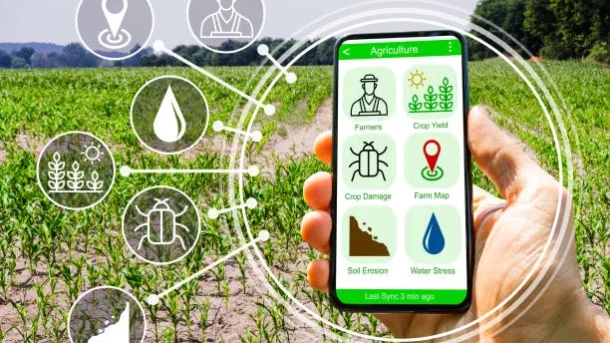
Sensor-Based Nutrient Management: Several sensors are used to monitor soil nutrient levels and crop health in real-time, including soil moisture sensors, electrical conductivity sensors, and optical sensors. Farmers can use these sensors to gather precise and timely data that will help them decide how to apply nutrients. 

Fertilisers with Controlled-Release: Controlled-release fertilisers are made to release nutrients gradually over an extended period of time. These fertilisers give the crops a more consistent supply of nutrients, which lowers the chance of nutrient leaching, volatilization, or runoff. These fertilisers increase the effectiveness of nutrient utilisation while minimising environmental effects by releasing nutrients in a regulated manner.

Software Tools for Nutrient Management: Tools for nutrient management are available to help farmers make knowledgeable decisions about the application of nutrients. To produce optimised fertiliser recommendations, these software systems take into account elements including soil type, crop type, yield targets, nutrient requirements, and environmental considerations. These tools, which generate customised nutrient management plans taking into account crop nutrient needs, present nutrient levels, and regulatory guidelines, can be used by farmers to input their field data.

What are the benefits of using biotechnology in agriculture?

biotechnology

Crops with better qualities, such as higher yield potential, can be developed using biotechnology, increasing crop productivity. Scientists may insert genes that improve features like drought tolerance, pest and disease resistance, and higher nutrient uptake into crops through genetic engineering. Higher crop yields and greater agricultural productivity may arise from these genetic alterations.

Enhanced Pest and Disease Resistance: Genetically engineered crops that are resistant to pests and diseases can be created through biotechnology. Crops can fend against hazardous insects, diseases, and viruses by adding genes from naturally resistant species. This lessens the need for chemical pesticides, lowers agricultural losses, and lessens the negative effects of pesticide use on the environment.

The development of crops with improved nutritional profiles is made possible by biotechnology. Crops can be genetically modified to contain increased concentrations of vital vitamins, minerals, and micronutrients. This can improve the nutritional value of staple crops and alleviate nutritional inadequacies, perhaps providing remedies for malnutrition and associated health problems.

Environmental Sustainability: Biotechnology helps agriculture be more environmentally sustainable. Farmers can use more targeted and accurate weed management techniques and use fewer herbicides overall by creating genetically engineered crops that are resistant to particular herbicides. This reduces environmental pollution. The production of crops with improved nitrogen use efficiency is also made possible through biotechnology, which lowers the need for fertiliser and mitigates the harmful effects of excessive fertiliser use on the environment.

How Azotobacter biofertilizer make soil more fertile?

Azotobacter

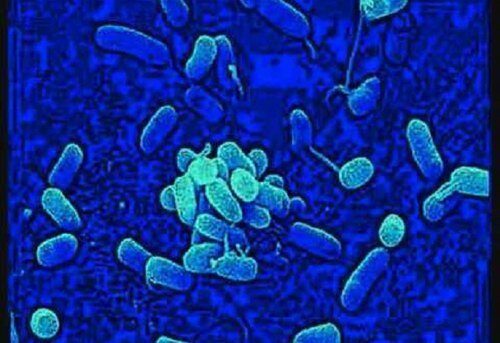
Azotobacter bacteria produce enzymes called nitrogenases, which convert atmospheric nitrogen (N2) into ammonia (NH3), which can be used by plants as a source of nitrogen. This process is known as nitrogen fixation. By fixing nitrogen in the soil, Azotobacter can help to reduce the need for synthetic nitrogen fertilizers and improve the overall health of the soil.

Azotobacters also provides other benefits to the soil such as phosphorous solubilization, production of plant growth promoting hormones and biocontrol of plant pathogens.

Azotobacters can be applied to the soil in various forms, such as liquid or granular, and can be used in combination with other biofertilizers, like Azospirillum and phosphate solubilizing bacteria, to create a more complete and balanced soil ecosystem.

It’s important to note that the growth and survival of Azotobacter in soil depend on soil conditions such as water, pH, temperature, organic matter, and other microorganisms. So, care should be taken to maintain optimal soil conditions for the growth of Azotobacter.

Which Bio-fertilizer are used for seed treatment in finger millet farming?

Bio-fertilizer

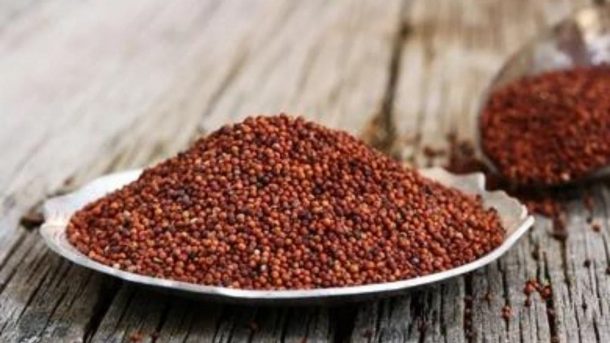
Azospirillumbrasulense (N fixing bacterium) and Asperillusawamori (P solubilizing fungus) by 25 g/kg seed treatment with seeds are beneficial. If seeds need to be treated with seed dressing chemicals, first treat the seeds with seed dressing chemicals and then with bio-fertilizer at the time if sowing.

Bio-fertilizer are living and latent cells of micro-organisms that grow under favourable condition and supply, activate, and dissolve plant nutrients. Therefore, their integration with organic and chemical fertilizers adds value for maintaining crop productivity by farming a healthy ecosystem. In general, bio-fertilizer combine well organic manures and inorganic fertilizer.

How seed treatment is done with bio-fertilizer for finger millet?

bio-fertilizer

Crop-specific bio-fertilizer culture should be applied at 25g/kg seed. Sticker solution as essential for effective seed vaccination. It can be prepared by dissolving 25 grams of jiggery and sugar in 250 ml water and boiling for 5 minutes. Thus, the solution designed is cooled. Smear the seeds thoroughly using the required amount of sticker solution. After that, add culture to the seeds and mix well to get a fine coating of culture on the seeds. Culture-coated seeds should be dried in the shade to avoid seed clumping. Use inoculated seeds for sowing.

What are biofertilizers and how many types of biofertilizers are available?

biofertilizers

Biofertilizer is defined as the capability of a microorganism to fix the atmospheric nitrogen by planting suitable crops in the soil. These microorganisms tend to mobilize nutritive elements from a non usable form to a usable form by a biological process. There are two types of biofertilizers:

Symbiotic N-fixation (Rhizobium)

Asymbiotic N-fixation (azotobacteria, azospirillum, blue green algae, azolla and mycorrhiza).

What is the role of vermiwash in sustainable crop production?

sustainable

Vermi wash can be used as a potent biofertilizer to develop the germination and seedling survival rates in crop plants growing on nutrition depleted soils thus paving the way for sustainable agriculture using organic farming practices. It could be utilized efficiently for sustainable plant production at low input basis green farming. Vermi wash recorded significant growth and productivity in the black gram. Vermi wash is natural growth supplement for tea, coconut and also horticultural crops.