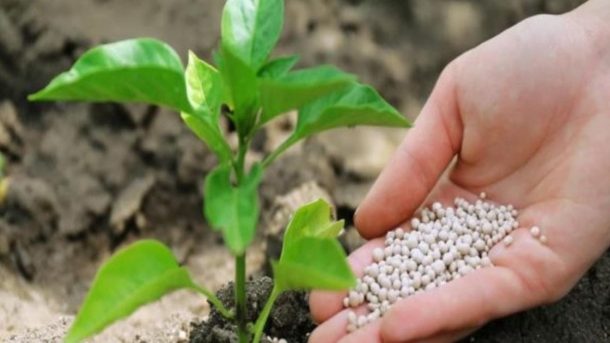
It is consisting of living cells or latent cells of efficient strains of microorganisms that help plants growth obtain nutrients through their interaction in the rhizosphere when seeds are planted through the soil. Biofertilizer directly increase soil fertility by adding nutrients through the synthesis of environmental nitrogen fixers, phosphorus soluble and plant growth promoting substances.
Bio Fertilizer
What is the role of liquid azospirillum ?

Stimulates growth and imparts a healthy green colour to the plant. Potash, phosphorus, and other nutrients are more easily absorbed. Encourage plumpness and succulence in fruits, as well as a higher protein content.
What is the mechanism of action of biofertilizers?
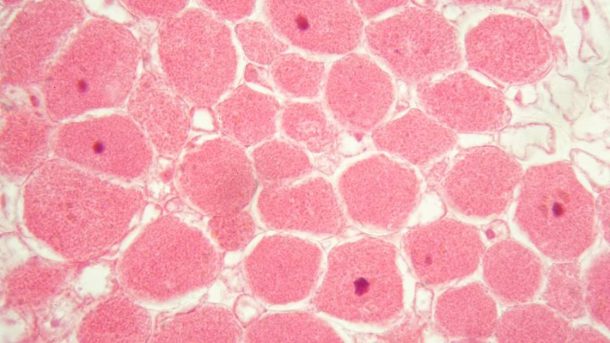
Azospirillum, a PGPRs species, is thought to secrete plant growth hormones like gibberellins, ethylene, and auxins . Phytohormone production can also be induced by some plant-associated microorganisms. At varied cultural pH, temperature, and in the presence of agro-waste as a carrier material, Rhizobium and Bacillus were discovered to synthesis IAA. Ethylene, unlike other phytohormones, is responsible for dicot plant growth suppression. PGPR could enhance the growth of plant by suppressing the expression of ethylene.
How biofertilizers improve soil fertility ?

By nitrogen fixation, phosphate and potassium solubilization or mineralization, release of plant growth regulating chemicals, creation of antibiotics, and biodegradation of organic materials in the soil, biofertilizers keep the soil environment rich in all kinds of macro and micro nutrients. When administered as seed or soil inoculants, biofertilizers proliferate and participate in nutrient cycle, resulting in increased crop productivity. In general, 60 percent to 90 percent of the fertiliser applied is wasted, with the remaining 10 percent to 40% taken up by plants. As a result, biofertilizers can be an important part of integrated nutrient management systems for agricultural production and environmental health.
What is Azotobacter?
Azotobacter is bacteria specially used as biofertilizer in soil. Azotobacter bring atmospheric nitrogen to soil when applied to the soil. These bacteria utilize atmospheric nitrogen gas for their cell protein synthesis. This cell protein is then mineralized in soil after the death of Azotobacter cells thereby contributing towards the nitrogen availability of the crop plants. Azotobacter spp. is sensitive to acidic pH, high salts, and temperature.
What is PGPB?
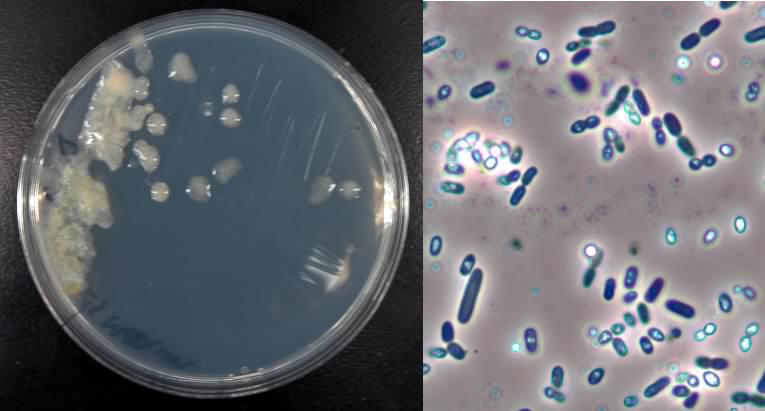
PGPB are plant growth-promoting bacteria, commonly known as any bacterial responsible for the nutrient transfer to the plants. The role and importance of bio-fertilizers in sustainable crop production have been studied well.
Biofertilizers play a very significant role in improving soil fertility by fixing atmospheric nitrogen, both, in association with plant roots and without it, solubilise insoluble soil phosphates and produces plant growth substances in the soil.

What is Biofertilizer?

Biofertilizers are biological products containing living microorganisms that, when applied to seed, plant surfaces, or soil, promote growth by several mechanisms such as increasing the supply of nutrients, increasing root biomass or root area and increasing nutrient uptake capacity of the plant. The concept of biofertilizers has changed along with the state of knowledge about associations occurring between soil microorganisms and plants.