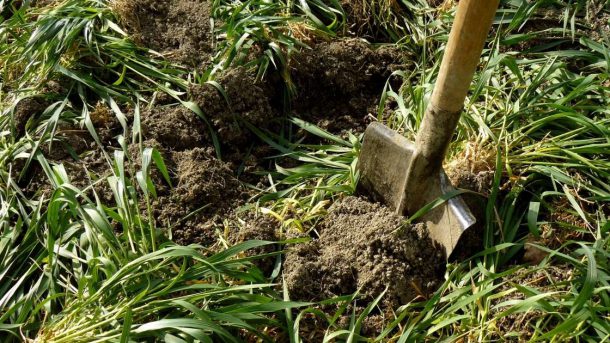
Green undecomposed material used as manure is called green manure. It is obtained by growing green manure crops or by collecting green leaf from plants grown in wastelands, field bunds and forest. Green manuring is growing in the field plants usually belonging to leguminous family and incorporating into the soil after sufficient growth. The plants that are grown for green manure known as green manure crops. The most important green manure crops are sunnhemp, dhaincha, etc.
Organic Inputs
How manuring is done in phyllanthus cultivation ?
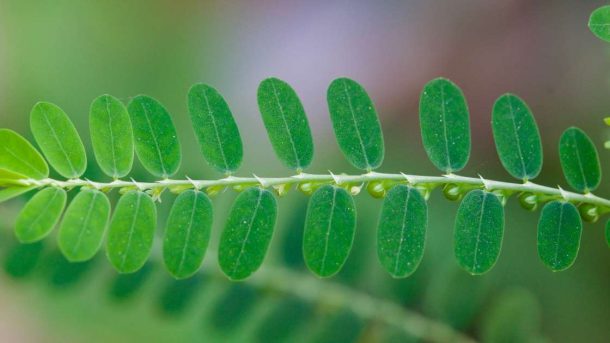
Apply 10-20 tonnes of FYM, 50 kg N, and 25 kg each of P2O5 and K2O per hectare to support strong vegetative development. The remaining N is delivered in two divided doses, the first at the 30th day and the second at the 60th day, with half the dose of N, the entire dose of P, and the complete dose of K applied as a basal dose.
How to prepare and apply amritpani ?
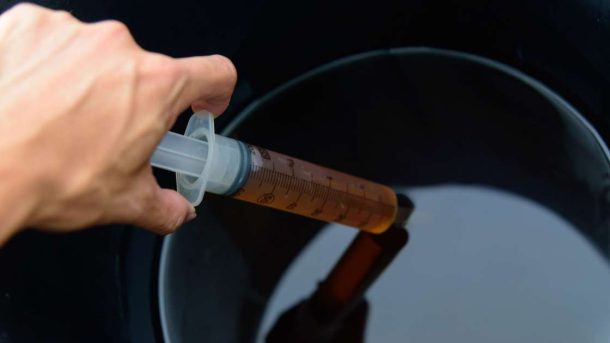
Amritpani is prepared by mixing ten kg cow dung with 500 g honey and mixed thoroughly to form a creamy paste. Add 250 g of cow desi ghee and mix at high speed. Dilute with 200-lit water. Sprinkle this suspension in one acre over soil or with irrigation water. After thirty days apply second dose in between the rows of plant or through irrigation water.
How neemastra is prepared ?
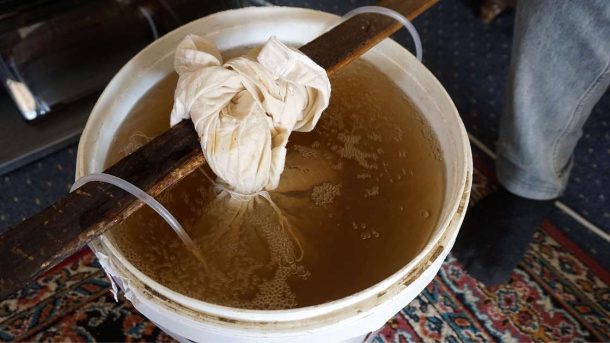
Neemastra is made by crushing 5 kg neem leaves in water with 5 lit cow urine and 2 kg cow dung. This mixture is then fermented for 24 hours with intermittent stirring. After filtering , squeeze the extract and dilute to 100 lit. This can be used as foliar spray over one acre. Also useful against sucking pests and mealy bugs.
How to get good response to biofertilizers?
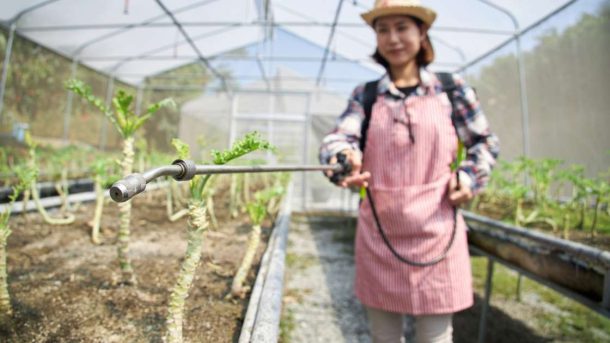
Biofertilizer product must contain good effective strain in appropriate population and should be free from contaminating microorganisms. Select right combination of biofertilizers and use before expiry date. Use suggested method of application and apply at appropriate time as per the information provided on the label. For seed treatment adequate adhesive should be used for better results. For problematic soils use corrective methods like lime or gypsum pelleting of seeds or correction of soil pH by use of lime.
How to properly use a biofertilizer ?
Biofertilizer packets need to be stored in cool and dry place away from direct sunlight and heat. Right combinations of biofertilizers have to be used. As Rhizobium is crop specific, one should use for the specified crop only. Other chemicals should not be mixed with the biofertilizers. Biofertilizers are live product and require care in the storage. Both nitrogenous and phosphatic biofertilizers are to be used to get the best results.
Which parasitoids are used to control papaya mealy bug ?
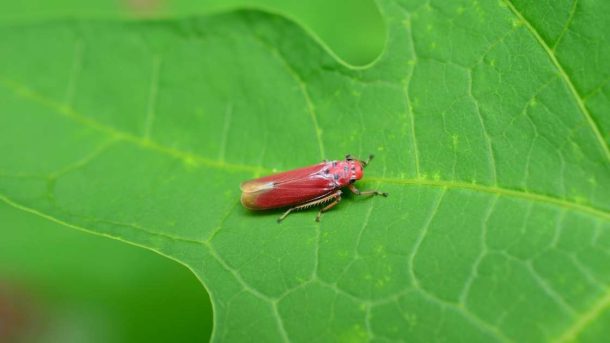
Parasitoides like Acerophagus papayae or Anagyrus loecki are used to control mealy bug. This pest is more prevalent on fruits than on the leaves, twigs and other parts of the plant. Looking to the residues, we have to avoid the spraying of insecticides for the control.
What is the mechanism of action of biofertilizers?
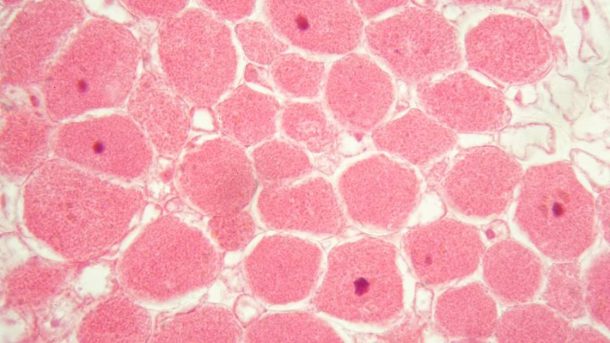
Azospirillum, a PGPRs species, is thought to secrete plant growth hormones like gibberellins, ethylene, and auxins . Phytohormone production can also be induced by some plant-associated microorganisms. At varied cultural pH, temperature, and in the presence of agro-waste as a carrier material, Rhizobium and Bacillus were discovered to synthesis IAA. Ethylene, unlike other phytohormones, is responsible for dicot plant growth suppression. PGPR could enhance the growth of plant by suppressing the expression of ethylene.
How biofertilizers improve soil fertility ?
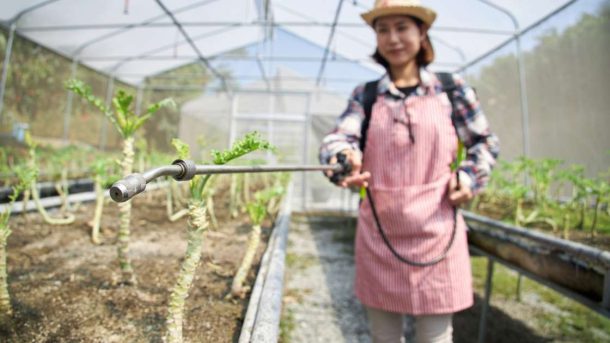
By nitrogen fixation, phosphate and potassium solubilization or mineralization, release of plant growth regulating chemicals, creation of antibiotics, and biodegradation of organic materials in the soil, biofertilizers keep the soil environment rich in all kinds of macro and micro nutrients. When administered as seed or soil inoculants, biofertilizers proliferate and participate in nutrient cycle, resulting in increased crop productivity. In general, 60 percent to 90 percent of the fertiliser applied is wasted, with the remaining 10 percent to 40% taken up by plants. As a result, biofertilizers can be an important part of integrated nutrient management systems for agricultural production and environmental health.
What is azolla biofertilizer?
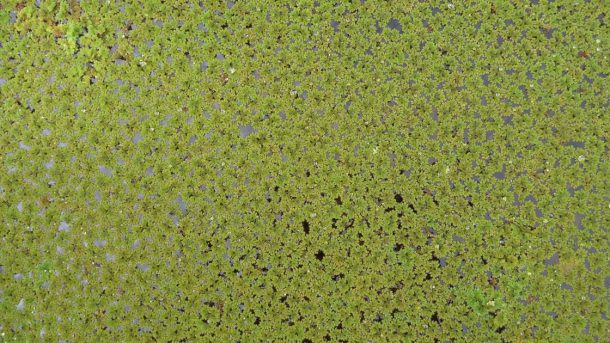
The nitrogen-fixing BGA Anabaena azollae is found in a floating water fern called ‘Azolla.’ Azolla contributes organic matter to the soil by containing 3.4 percent nitrogen (on a dry weight basis). Rice farming uses this biofertilizer. The Azolla plant has a branching, floating stem, highly bilobed leaves, and real roots that reach deep into the water. If water is not a limiting element and environmental conditions are favourable for its growth, Azolla can be grown all year in India. This fern develops a green carpet over water in most cases. Azolla decomposes quickly to NH4, which the rice plants can use. Rice yields increased by 0.5-2t/ha in field trials after Azolla was applied. Azolla application has been observed to boost rice yield by roughly 20% and 18% in India and China, respectively .