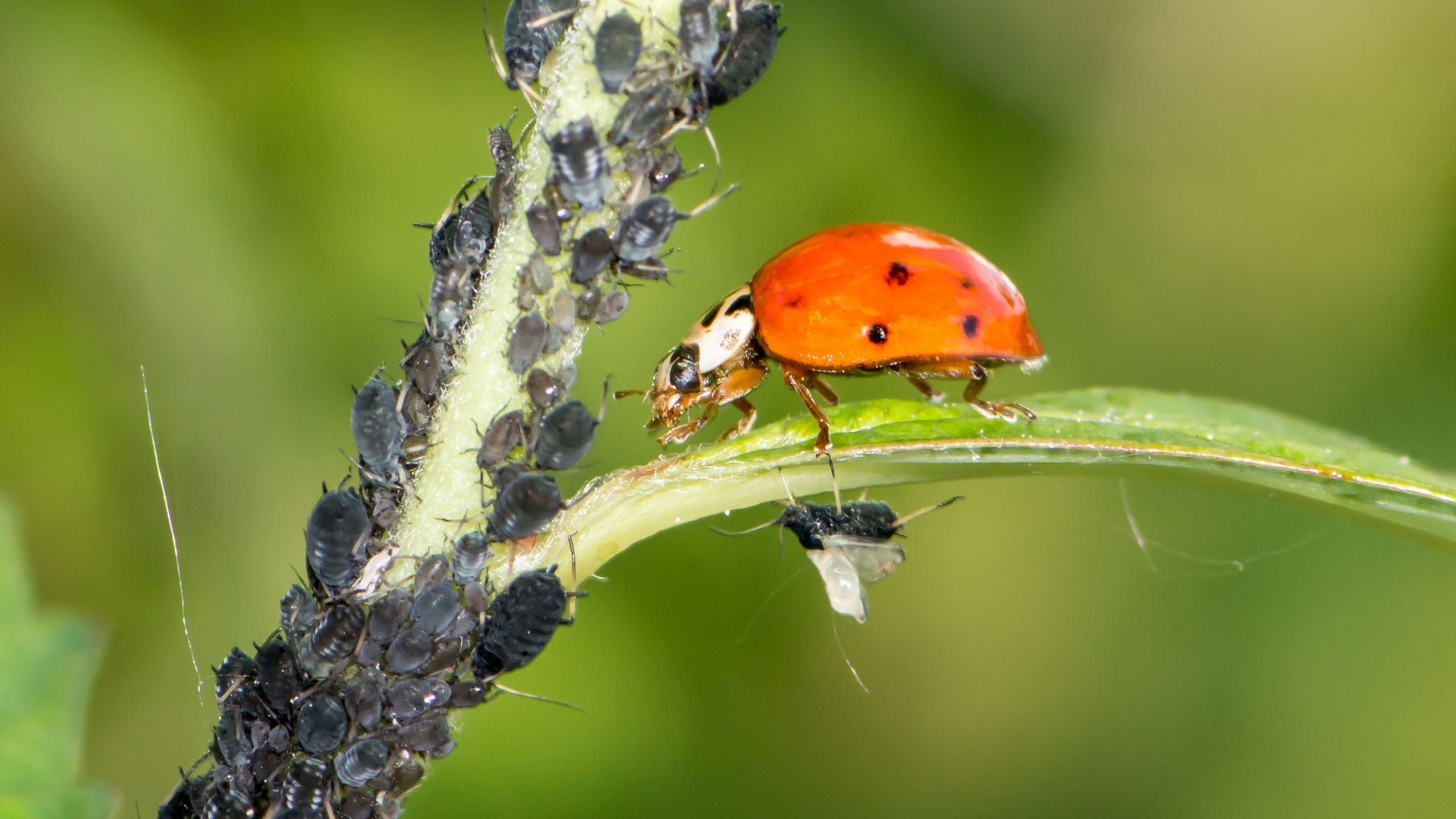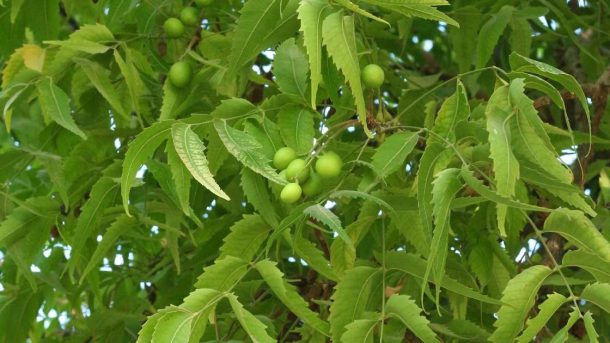
Neem is a member of the mahogany family, Meliaceae. Azadirachta indica is the botanical name for it today. It is a widely used medicinal herb in Indian home medicines. It is well-known for its natural ability to repel pests ranging from mosquitoes to termites, which is made possible in part by the presence of the chemical component Azadirachtin, a naturally occurring pest repellant. Neem oil is made by cold-pressing neem tree kernels in their finest form. The seeds and leaves generate the most oil, although any part of the plant can be used. After the oil from Neem kernels is extracted, the residue that is devoid of oil is known as Neem Cake. NPK (or nitrogen-phosphorus-potassium), as well as nortriterpenoids and isoprenoids, are found in this seed kernel and these nutrients are nematicidal in nature.
Organic Inputs
How neem seed act as a repellent ?
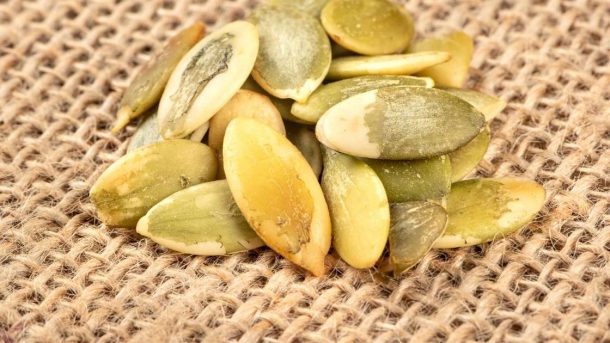
Neem seed suspension act as a repellent against locusts and grasshoppers. Kernels of mature neem fruits should be crushed into a coarse powder. For obtaining 0.1% concentration, 1 g of powdered neem seed is required for a litre of water. The required quantity of the coarse powder should be put in a small bag of muslin cloth and dipped in water contained in a bucket and squeezed till the water becomes light brownish. This has to be sprayed on crops.
What is FYM ( Farm Yard Manure )?
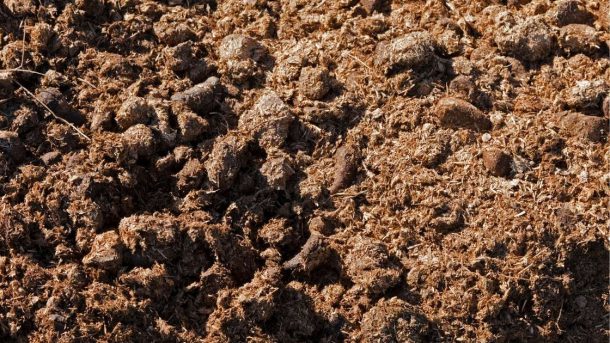
Farm yard manure refers to the decomposed mixture of dung and urine of farm animals along with litter and left over material from roughages or fodder fed to the cattle. On an average well decomposed farmyard manure contains 0.5 per cent N, 0.2 per cent P2O5 and .0.5 per cent K2O. FYM is a cheap and easily available source of organic nutrients. Application of FYM improves chemical, physical and biological condition of soil. FYM can supply all nutrients that are required by the plants. FYM is rich in organic material that it nurtures soil organism and maintains an active soil life and it is rich in nutrients.
How is Trichoderma used in agriculture ?
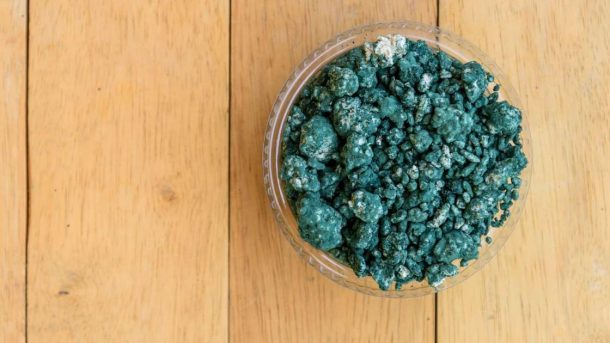
Trichoderma spp. is a fungus which are used in agriculture as bio-fungicide. Trichoderma viride, T. harzianum and T. virens are most extensively used fungal antagonists. Due it’s fungicidal property , they are used as biocontrol agents against plant pathogenic fungi. It protects plants from fungi such as Pythium , Rhizoctonia, and Armillaria. Trichoderma spp. are found naturally in the soil and is used for seed dressing to control soil and seed-borne diseases. When it is applied at the same time as the seed, it colonizes the seed surface and kills not only the pathogens present on the cuticle , but also provides protection against soil-borne pathogens. Fermentation technology is commonly used for their mass production.
What is Mulching?
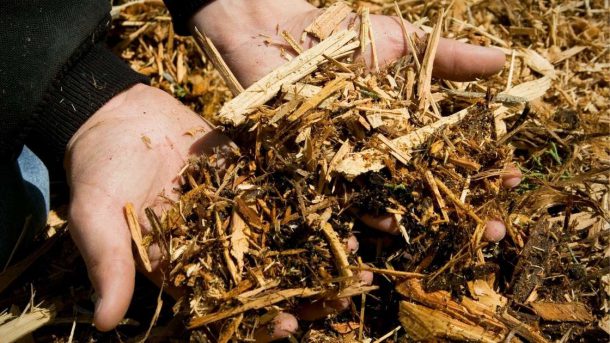
Mulching is the process of covering soil in order to provide favorable condition for growth and development of plants that results in efficient crop production. Natural mulches such as leaf, straw, dead leaves and compost can be used . Synthetic material like plastic can also be used for mulching. Mulching helps to minimize moisture losses and weed population .Mulches minimizes water runoff, improve infiltration capacity of soil, restrain weed population via shading, and perform as obstacle in evapotranspiration. It also helps in temperature regulation of soil and plant roots, minimum nutrient losses, cut down soil erosion and compactness, and improves physical conditions of soil.
What is Vermi-composting?
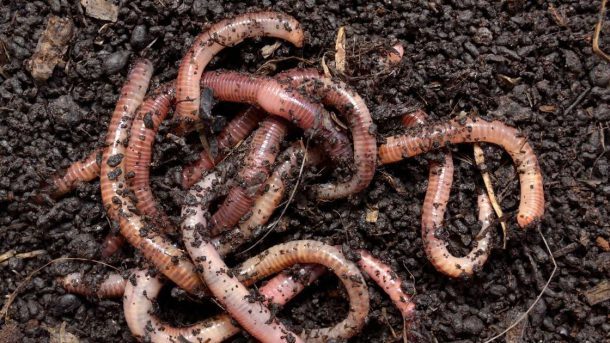
The process by which earthworm convert organic manure in to fertile manure is called Vermi-composting. Important species of earthworm used for vermicomposting in Indian conditions are Epigeic Eugeniae, Eisenia Foetida, and Perionyx Excavatus. Vermi-compost are used in farming and small scale sustainable organic farming because they contains water-soluble nutrients and is an excellent, nutrient-rich organic fertilizer and soil conditioner. Earthworms grind and uniformly mix minerals in simple forms, which makes it easy for the plants to obtain them. The end-product of the breakdown of organic matter by earthworms is called vermicast. These castings contains reduced levels of contaminants and a higher saturation of nutrients than the organic materials before vermicomposting. Hence, Worm castings can be used as an organic fertilizer.
What are the advantages of organic manures?
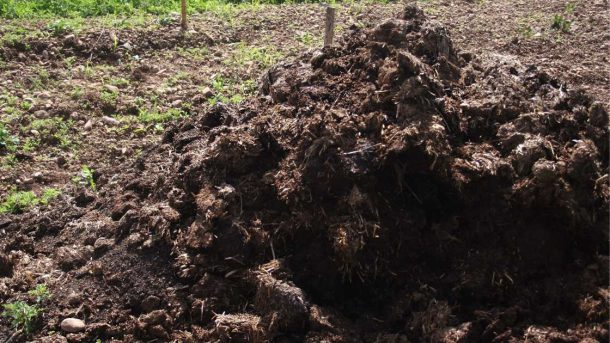
Organic manures helps in increasing organic matter in the soil. It releases plant food in available form for the use of crops. Manures enable soil to hold more water and helps in increasing drainage in clay soil. They provide organic acids that help to dissolve soil nutrients and make them available for the plants. It helps in maintaining C:N ratio in the soil and also increases the fertility and productivity of the soil. Application of organic manure improves biological activity in the soil, that helps in making nutrients that are deep in the soil available to the plants. Organic manures also reduces the loss of moisture from soil in the form of evaporation.
How green lacewings are beneficial?
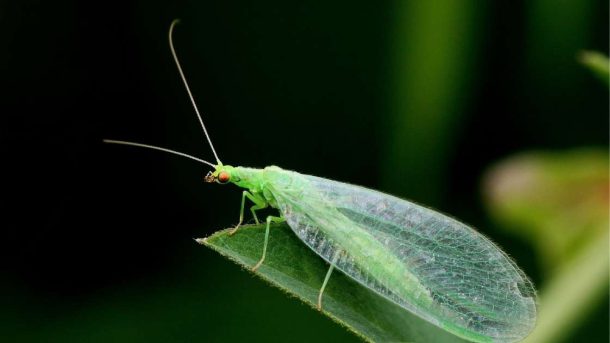
The green lacewings (Chrysoperla sp.) are a common beneficial insect found in the landscape. They are predators that act as bio-control agents by feeding on aphids, but will also control mites and other soft-bodied insects such as caterpillars, leafhoppers, mealybugs and whiteflies. They helps in control of arthropod insects in greenhouses. The larvae of this insect are voracious feeders. A larvae can consume approximately , 200-300 aphids during its three stages of development.
What are parasitoids?
Parasitoids are among the most widely used biological control agents. Parasitoids lay their eggs on or in the body of an insect host, which is then used as a food for developing larvae. The host is ultimately killed. Developing in or on a host requires the parasitoid to have very specialized methods to attack, feed on and avoid the host’s immune system. This high level of specialization means most parasitoids only attack one or a few closely related species. Parasitoids perform an important ecosystem service by suppressing pest populations. The majority of pests are attacked by at least one parasitoid.. Wasps and flies contain the vast majority of insect parasitoids. There are over 70,000 parasitoid species across the globe.
What is Bio control agents?
A biological control agent is an organism, such as an insect or plant disease, that is used to control a pest species.