pest management

How does weather data assist in crop management decisions?

crop

Decisions on crop management are greatly influenced by weather information since it offers useful knowledge that enables farmers to maximize their agricultural methods. Here are a few ways that weather information might help in crop management:

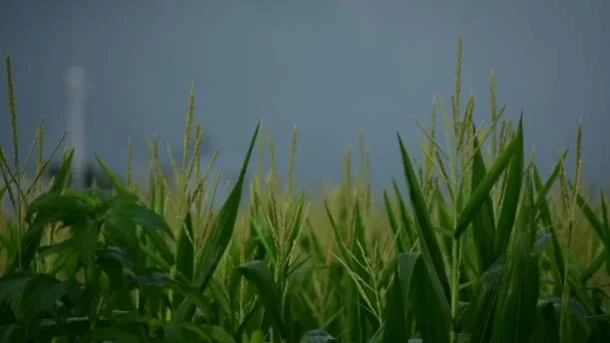
Making planting decisions: Farmers can choose the best time to sow their crops by using weather information. Farmers can choose the best planting window by using the data on average frost dates, soil temperature, and moisture levels that is provided. For instance, certain crops need a certain range of temperatures to germinate and develop.

Irrigation management: The use of weather information by farmers to plan their irrigation systems. Farmers can modify their irrigation operations by studying variables including precipitation, evapotranspiration rates, and soil moisture levels. They can prevent over- or under-watering, saving water resources and avoiding crop damage.

Management of pests and diseases: The occurrence and spread of pests and diseases in crops are influenced by the weather. Farmers can predict and keep tabs on the occurrence of specific pests and illnesses by monitoring meteorological data. For instance, specific humidity and temperature ranges are ideal for certain insects. Farmers who are aware of these circumstances can take prompt preventive action, such as using the proper pesticides or implementing integrated pest control techniques.

Application of fertilizer: Weather information offers insights into the availability of soil nutrients and losses caused by variables like rainfall or temperature, which help to optimize fertilizer application. For instance, prolonged rain can wash away nutrients from the soil, requiring the administration of extra fertilizer. Farmers can adapt their fertilizer management programs to the needs of the crop by fusing weather data with soil tests.
 What are the potential benefits and concerns associated with GMOs?

GMOs

Different viewpoints on genetically modified organisms (GMOs) have emerged as a result of both their potential advantages and related problems. An outline of the key arguments is provided below:

Possible advantages of GMOs:

Crop productivity can be increased by genetically modifying organisms (GMOs) to have features like resistance to pests, diseases, or environmental challenges. This may alleviate concerns about food security by increasing yields and improving food production.

Resistance to pests and diseases: Genes that provide resistance to pests or diseases can be included into GMOs. In addition to promoting sustainable pest management and reducing the need for chemical pesticides, this may also result in cheaper production costs for farmers.

Herbicide tolerance: Some GMOs are designed to withstand a particular class of herbicides, enabling farmers to control weeds more successfully and with less harm to the environment. This can help with improved resource use efficiency, less soil erosion, and effective weed management.

Added nutritional value: Crops can be enriched with particular nutrients, including vitamins or minerals, using genetic engineering. This could help vulnerable communities that are deficient in certain nutrients, improve consumer health, and increase the nutritional content of staple foods.

How can drones be used for crop monitoring?

drones

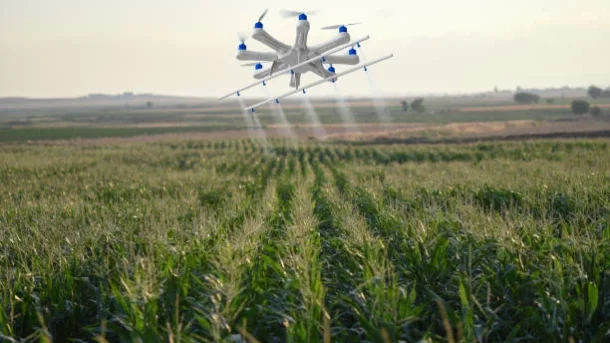
In crop monitoring, drones have proven to be an invaluable tool for giving farmers rapid access to accurate information about their farms. Drones are used in crop monitoring in the following ways:

Aerial imaging: Crop fields are captured in high-resolution by drones with cameras. By giving farmers a bird’s-eye view of the entire field, these photographs enable them to evaluate the health of their crops, spot anomalies, and spot patterns of variability. Crop stress, nutritional deficits, disease outbreaks, and insect infestations that may not be visible from the ground can be found via aerial imagery.

Vegetation indices: Drones can collect data to construct various vegetation indices, such as the Normalized Difference Vegetation Index (NDVI), by utilizing specialized cameras or sensors. These indexes offer numerical data on the health and vigor of plants. NDVI measurements show the density

Crop scouting: Drones with cameras or sensors can carry out focused reconnaissance missions to keep an eye on particular fields’ points of interest. A drone can be used to take precise pictures or thermal data, for instance, if a farmer fears a pest infestation in a particular area of the field. Drones can save farmers time and effort by promptly identifying agricultural problems and taking action.

Drones can be used to monitor agriculture fields for the first indications of disease or insect outbreaks. Drone can discover differences in plant health, find stress patterns, and locate infestation hotspots by taking high-resolution photos, thermal data, or multispectral data. This enables farmers to undertake timely pest control measures.

Which government program focuses on promoting the cultivation of saffron in India?

cultivation of saffron

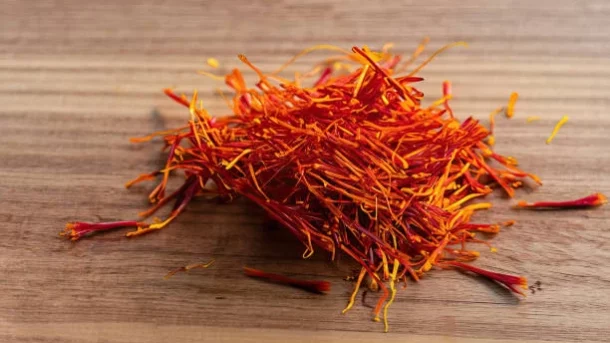
The “National Saffron Mission” (NSM) is a government initiative that seeks to encourage saffron farming in India. The Department of Agriculture, Cooperation & Farmers Welfare, Ministry of Agriculture and Farmers Welfare, Government of India, is responsible for carrying out the National cultivation of saffron Mission.

The National Saffron Mission’s primary goals typically consist of:

Saffron Cultivation Promotion: The NSM seeks to advance cultivation of saffron and raise saffron output in India. It encourages farmers to use saffron production strategies, such as saffron-specific pest control techniques, seed selection, irrigation management, and management of nutrient levels.

Technology Transfer and Training: The goal of the mission is to teach farmers the most effective methods for growing saffron through technology transfer and training initiatives. It offers saffron training.

The NSM places a strong emphasis on research and development operations to improve saffron production methods and address the difficulties saffron producers encounter. It aids in the production of enhanced saffron types with greater yields and improved resistance to pests and diseases, as well as research projects and breeding programs.

Development of Infrastructure: The mission encourages the creation of the infrastructure required to enable of saffron. To assist the cultivation, processing, and sale of saffron, this includes the development of irrigation systems, saffron processing facilities, drying and grading facilities, and other relevant infrastructure elements.

Name a government program that provides financial assistance for the establishment of agri-clinics and agri-business centers.

agri-clinics and agri-business

The “Agri-Clinics and Agri-Business Centers (ACABC) Scheme” is one government initiative that offers financial support for the building of agri-clinics and agri-business centers in India. The Ministry of Agriculture and Farmers Welfare, Government of India, is in charge of carrying out the ACABC Scheme.

The following are the main goals of the Agri-Clinics and Agri-Business Centers Scheme:

Development of Entrepreneurship: The program’s goal is to encourage agricultural graduates, diploma holders, and other eligible people to open their own agri-clinics and agri-business centers. It offers a platform for people to work for themselves and serve farmers with specialized agricultural services.

Agri-Clinics: The program encourages the construction of facilities known as “agri-clinics,” where farmers can receive agricultural advising and consulting services from qualified professionals. To enhance farming practices and raise agricultural productivity, these clinics provide professional advice on a variety of topics including crop development, pest management, soil health, farm management, farm mechanization, and other pertinent areas.

Agri-Business Centers: The program additionally offers financial support for the creation of agri-business centers. These facilities act as hubs for agricultural entrepreneurs, allowing them to carry out a variety of agricultural and related tasks such seed processing, fertilizer formulation, farm equipment rental, marketing of agricultural inputs, value addition, agri-tourism, and other agribusiness endeavors.

The ACABC Scheme places a strong emphasis on capacity building and training programs for agri-preneurs. To broaden their knowledge, it offers technical and entrepreneurial training.

What is the main objective of the Paramparagat Krishi Vikas Yojana (PKVY)?

Krishi Vikas Yojana

The Paramparagat Krishi Vikas Yojana (PKVY)’s primary goal is to encourage organic farming in India. The Ministry of Agriculture and Farmers Welfare introduced the PKVY program as a government initiative in 2015. The English translation of “Paramparagat Krishi Vikas Yojana” is “Traditional Farming Development Scheme”.

The following are the main objectives of PKVY:

Promote organic farming: The program’s goal is to persuade farmers to switch to organic agricultural methods and lessen their reliance on synthetic pesticides and fertilizers. It aims to promote ecologically friendly, soil-health-supporting sustainable agricultural practices.

Boost farm productivity: PKVY seeks to do this by implementing organic farming methods. These methods emphasize increasing soil fertility through the use of organic manure and compost as well as crop rotation, mixed cropping, and biological pest control strategies.

Produce certification: The program also assists farmers in securing organic certification for their output. This certification guarantees the authenticity and high caliber of organic products while facilitating farmers’ access to premium markets.

Building capacities and providing training: To assist farmers in understanding organic farming methods, managing soil health, and utilizing conventional and local resources, PKVY offers training, capacity building, and technical assistance. The program seeks to equip farmers with the information and abilities they need to successfully implement organic farming.

What is the main objective of the Integrated Pest Management (IPM) scheme?

Pest Management

The primary goal of the Integrated Pest Management (IPM) program is to advance environmentally responsible and sustainable pest management techniques in agriculture. In order to achieve successful and long-term pest control, IPM focuses on reducing the usage of chemical pesticides and adopting a holistic approach to pest management.

The Integrated Pest Management (IPM) program’s primary goals are as follows:

Reduced use of chemical pesticides: The program promotes non-chemical pest control methods in an effort to lessen agriculture’s reliance on chemical pesticides. This aids in reducing the harmful effects of excessive pesticide use on the environment and human health.

IPM encourages the blending of several pest management techniques in order to achieve long-term pest control. It incorporates cultural customs, biological means of pest control, the use of resistant cultivars.

Monitoring and surveillance of pests: The plan places a strong emphasis on regularly keeping an eye on pest numbers in agricultural fields. This aids in the prompt detection of pest outbreaks, comprehension of their life cycles, and selection of effective management methods.

Dissemination of knowledge: The IPM program focuses on educating farmers, extension agents, and other agricultural stakeholders while also offering technical guidance. It encourages the sharing of information on IPM strategies, pest identification, monitoring systems, and effective pest management procedures.

What are the challenges faced by farmers in adapting to changing climatic conditions?

climatic conditions

Weather patterns are becoming more unpredictable and unstable as a result of change climatic conditions. Changing rainfall patterns, temperature swings, and extreme weather events like droughts, floods, storms, and heatwaves may be difficult for farmers to foresee and plan for. Making informed choices about planting, irrigation, pest control, and other farming operations is challenging due to these uncertainties.

Selection of Crops and Varieties: Due to shifting climatic conditions, farmers may need to reevaluate the suitability of their present crop selections and varieties. While switching to new crops or varieties might be difficult due to issues including market demand, access to seeds, the availability of agronomic information, and farmers’ familiarity with new crops, some crops and varieties may be better suited to new climatic conditions.

Water management: The availability of water and irrigation techniques are impacted by climate change. Changes in rainfall patterns can lead to either a lack of water or an abundance of rain, both of which present difficulties for managing water in agriculture. To adjust to shifting water availability, farmers may need to apply new irrigation techniques, water conservation measures, and infrastructure investments for water storage.

Pests and diseases: Changes in climate can affect the dynamics of pests and diseases, changing their frequency, severity, and range. Farmers may experience difficulties controlling newly developing pests and diseases because conventional pest control techniques may become ineffective or call for changes. For effective management and prompt action, it becomes essential to monitor and stay informed about evolving pest and disease patterns.

How do predatory mites and spiders help in reducing populations of harmful pests in agricultural settings?

pests

Predatory mites are minuscule arachnids that feed on a variety of microscopic arthropods, including pests like thrips, whiteflies, and spider mites. In integrated pest management (IPM) systems, they are frequently used as biological control agents. These mites use chemical or vibrational clues to find their prey. They actively feed on the pest species they have located, sucking out their bodily fluids as they do so. If the prey is plentiful, predatory mites can build a stable population through rapid reproduction. They work well in controlling pest populations and keeping them at reasonable levels.

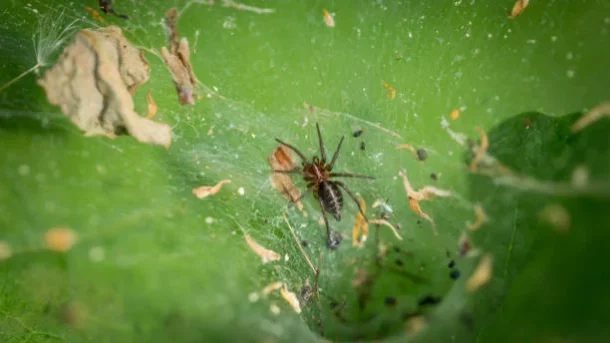
Spiders are well-known bug and other arthropod predators. They are crucial in biological pest control since they capture and eat a variety of pests in agricultural settings.
Because they prey only on harmful pests and typically leave beneficial insects untouched, predatory mites and spiders are both regarded as helpful species. In agriculture, they offer a natural, environmentally friendly alternative to industrial pesticides, reducing reliance on them and fostering biological diversity. The overall health of agroecosystems can be maintained while minimizing the detrimental effects of pests on crop productivity by including these helpful arthropods into integrated pest management schemes.

What role do bats play in agriculture, especially in terms of pest control and pollination?

pest

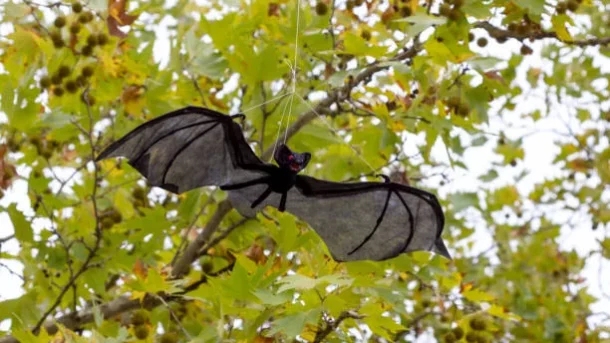
Bats are voracious insect eaters, and the majority of the insects they consume are nocturnal. Many of these pest insects harm crops and lower yields in agriculture. Bats assist in naturally reducing pest populations by eating a lot of insects. As a result, fewer chemical pesticides are required, which is better for the environment and everyone’s health. The ability of bats to control pests is especially useful in tropical areas with high bug populations.
Some bat species play a vital role in pollination, particularly in tropical and subtropical areas. They had a common ancestor with several plant species that depend on bat pollination. Frequently, the huge, fragrant flowers on these plants bloom at night, when bat activity is greatest. Bats unintentionally spread pollen from flower to bloom as they consume nectar, assisting in the fertilization process. Bats and the plants they visit benefit from this reciprocal interaction. Many economically significant plants, including agave, bananas, mangoes, and guavas, rely on bat pollination to reproduce.

It’s important to note that due to the diversity of their diets and foraging habits, not all bat species participate in pollination or pest control. However, bats generally contribute significantly to agriculture by providing natural pest control.