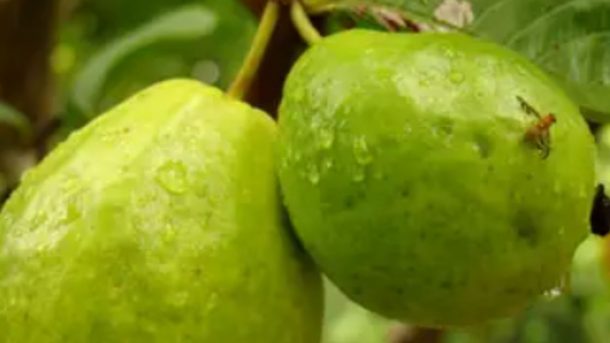
Fruit flies are the common and serious pest of the Guava. The flies lay eggs on the surface of Guava fruits at the color break stage. On hatching, the maggot enters into the guava fruit and feeds on soft pulp. When guava fruits are cut open the white maggots are seen in the flesh. It can be managed by the clean cultivation or sanitation of orchard is important to reduce/ check fruit infestation of fruit flies. Collect and dump deep in the pit the fallen infested guava fruits. Daily cover the fruit with soil and do not leave the pit uncovered for long. Avoid taking rainy season crop. Give two sprays of thiodan 35EC (endosulphan) 2 ml/liter or seven 50 WP (carbaryl) 2g/liter, one before maturity and second at maturity. No spray should be given at the ripening stage during the harvesting of fruit.
pest management
How mango hopper causes damage and how it can be controlled?
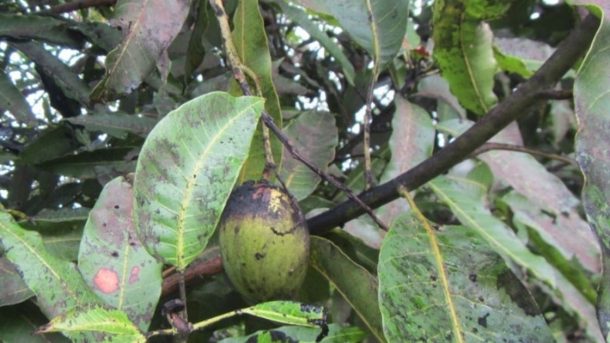
Hoppers are mainly considered as the most serious and widespread pest throughout the country. A large number of nymphs and adult insects’ puncture and suck the sap of tender parts, thereby reducing the vigor of the mango plants. Heavy puncturing and also continuous draining of the sap causes curling and drying of the infected tissue.
It can be controlled by three sprays of about 0.15 % carbaryl or 0.04 Monocrotophos or 0.05 % Phosphamidon or 0.05% Methyl Parathion are effective in controlling the hoppers. The first must be given at the early stage of panicle formation. The second spray at the full-length stage of panicles but before full bloom and then, the third spray after the fruit set at the pea size stage is recommended.
How Integrated pest and disease management is followed in Ginger?
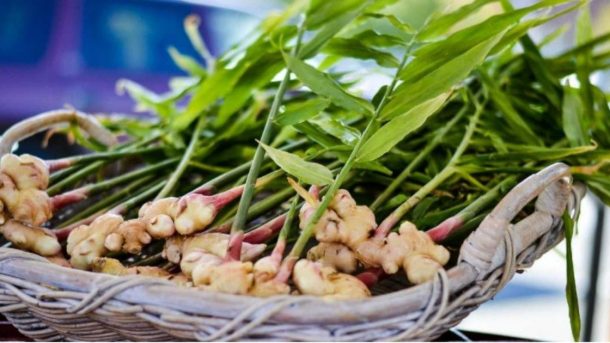
Soil application of Biocontrol agents like T. harzianum and P. flourescence during planting time by 2-5% gives effective control of the diseases. Use good quality rhizome for sowing, disease free seeds from the disease-free area. Before sowing, treat the rhizome in hot water and again in a solution of Bordeaux mixture 1 % for 15 min. Treat rhizome with bio inoculant Pseudomonas fluorescens and Trichoderma harzianum followed by soil application 60 days after planting to reduce rhizome rot. Once the diseases are spotted in the field, take away the affected clumps and drench the soil with Bordeaux mixture 1 % at 15 days interval. Diseased plants must be identified while the crops are in the field. Rhizomes from such plants must not be selected for seed purposes. Mechanical collection and destruction of grubs, larvae, weevils and adult beetle periodically will decrease the incidence of insect pests. If white grub is predominant, apply nimbicidine.
How are pests and diseases controlled in organic farms?
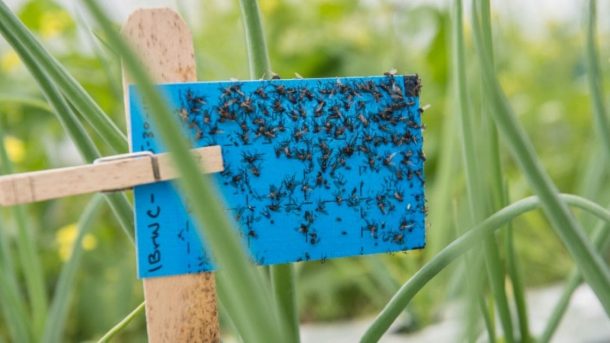
Pests in organic farms are controlled by biological and cultural practices such as crop rotation, diversification, habitat management, the release of beneficial organisms, good sanitation and timely maintenance. Substances like botanicals, non -toxic synthetic pesticides etc listed on the organic farming list of one’s own country can be used in the organic pest management schedule. Similarly, following the above cultural practices can control diseases to a certain extent. Apart from these, there is the need to use disease resistant varieties of seeds and prune the plants whenever necessary. Natural compounds like clay and non-toxic fungicides like copper sulphate are also allowed on organic farms for disease control.
What is Tricho card?
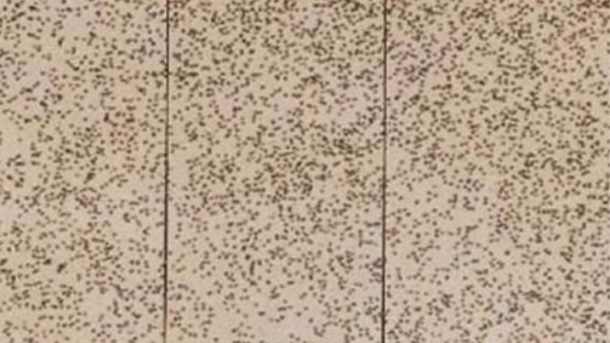
It has a layer of sticky substance which has pasted onto them, eggs of a surrogate host infested with Trichogramma larvae. It is an eco-friendly and non-pathogenic product used in various crops as well as in horticultural and ornamental plants, such as paddy, Apple, Sugarcane, Eggplant, Corn Cotton, vegetables and Lemons. It acts as a productive destroyer and antagonistic hyper parasitic against many bored eggs, hyper parasites, shoots, fruits, leaves, flower eaters and other pathogens in the field.
How nicotine controls sucking pests and leaf miner?
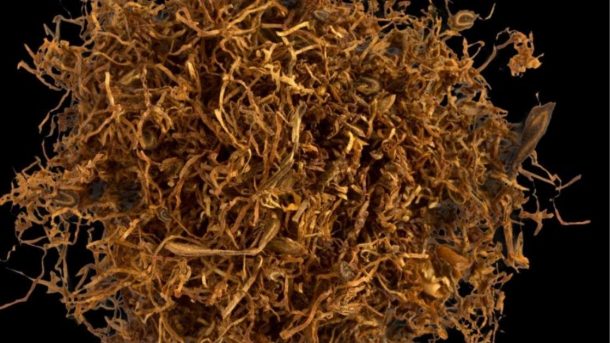
Nicotine is extracted from tobacco leaves. Nicotine is a powerful neurotoxin that is particularly harmful to insects. Nicotine is also used as insecticides. It is contact poison. It acts as fumigant in greenhouses. Nicotine kills insects rapidly, often within an hour. When applied externally, tremors and convulsions are seen, followed by paralysis. Mimics acetylcholine in nerve synapse, loss of coordination and eventually death.
What are the common pests that infect the date palm trees and how they are controlled?
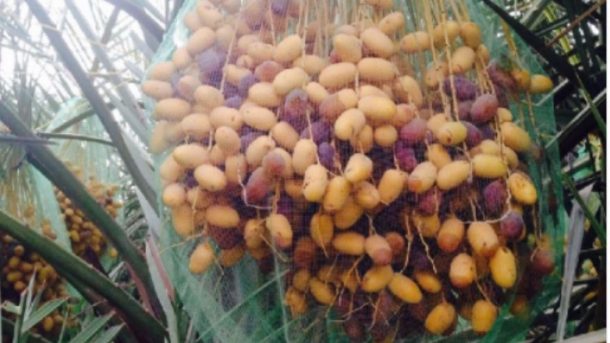
The commonly found pests of date trees are termites, lesser date moth, birds, white or red scale etc. The best way to prevent birds is by netting the fruit bunches during the Doka stage. The other pests on the trees can be prevented or controlled by the use of recommended pesticides like chlorpyriphos, deltamethrin and acetamiprid.
How topping helps to control pest population in cotton?
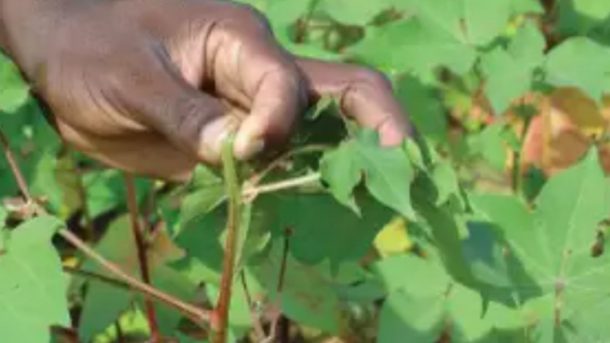
Removal of terminals of cotton crop (“Topping”) at 80-90 days of growth should be made to reduce Helicoverpa oviposition and also to encourage sympodial branching which bears more fruiting bodies.
What is Ryanodine?
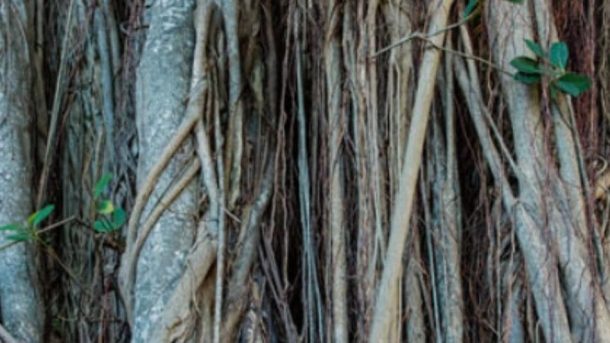
It is an alkaloid derived from ground roots and woody stems of south American shrub. It is a stomach and contact poison effective against Lepidopterous pests. It is a muscular poison and known for blocking the conversion of ADP to ATP in striated muscles. It is used as dust (20-40%).
What are the damage symptoms of yellow stem borer and how it can be managed?
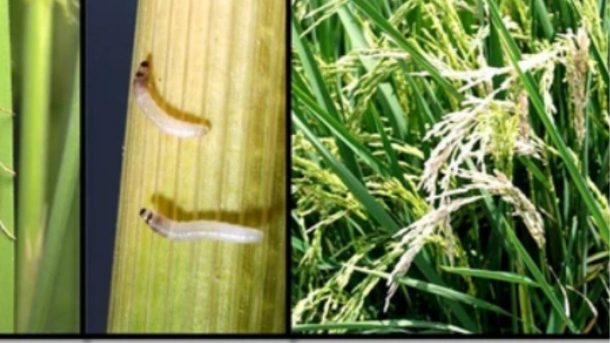
The damage is caused by caterpillars as a result ‘Dead heart’ formation takes place before flowering and after flowering ‘White Ear head’ develops. The ear heads dry up and no grain formation takes place. Basmati varieties suffer heavy damage than coarse varieties.
It can be managed by clipping of tips of seedling before transplanting, removal and destruction of stubbles at first ploughing. Fields showing more than 5 % ‘dead hearts should be sprayed with 625 ml of phosphamidon or 1.4 liters of monocrotophos or 2.5 liters of chlorpyriphos.