Pests

Which government program focuses on promoting the cultivation of saffron in India?

cultivation of saffron

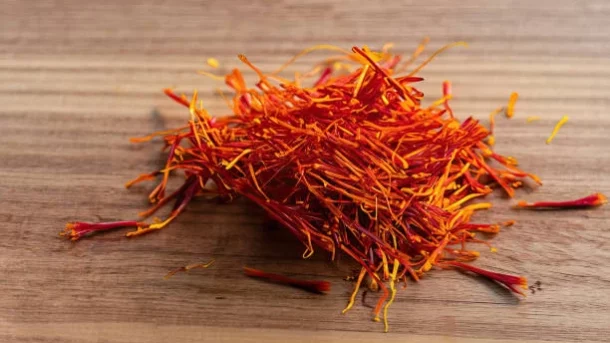
The “National Saffron Mission” (NSM) is a government initiative that seeks to encourage saffron farming in India. The Department of Agriculture, Cooperation & Farmers Welfare, Ministry of Agriculture and Farmers Welfare, Government of India, is responsible for carrying out the National cultivation of saffron Mission.

The National Saffron Mission’s primary goals typically consist of:

Saffron Cultivation Promotion: The NSM seeks to advance cultivation of saffron and raise saffron output in India. It encourages farmers to use saffron production strategies, such as saffron-specific pest control techniques, seed selection, irrigation management, and management of nutrient levels.

Technology Transfer and Training: The goal of the mission is to teach farmers the most effective methods for growing saffron through technology transfer and training initiatives. It offers saffron training.

The NSM places a strong emphasis on research and development operations to improve saffron production methods and address the difficulties saffron producers encounter. It aids in the production of enhanced saffron types with greater yields and improved resistance to pests and diseases, as well as research projects and breeding programs.

Development of Infrastructure: The mission encourages the creation of the infrastructure required to enable of saffron. To assist the cultivation, processing, and sale of saffron, this includes the development of irrigation systems, saffron processing facilities, drying and grading facilities, and other relevant infrastructure elements.
What is the primary goal of the National Mission on Seeds and Planting Material (NMSPM)?

Seeds and Planting Material

Please accept my apologies, but I am not aware of any official project by the name of “National Mission on Seeds and Planting Material” (NMSPM). The project you described might not be well known or a part of the generally acknowledged government initiatives or missions in India. It’s crucial to keep in mind that my knowledge cutoff date is in September 2021, and that there might have been modifications or new projects since then.

If such a mission existed, the following would presumably be its main objectives:

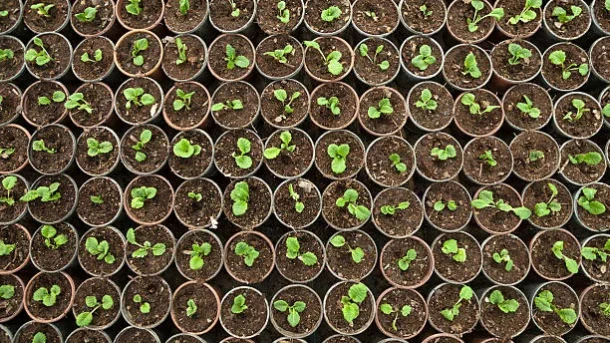
Providing Farmers with Access to High-Quality Seeds: The mission strives to provide farmers with access to seeds and planting Material supplies of the highest caliber. In accordance with the regulatory framework, this involves promoting the production, certification, and distribution of improved seed varieties, including hybrid and genetically modified (GM) seeds.

Increasing Seed Replacement Rate: The goal of the mission can be to raise the percentage of old seeds that are replaced with new seeds each crop season, or seed replacement rate. It tries to dissuade farmers from using old, low-yielding seed types and to promote farmers’ adoption of improved seed varieties.

Developing a Stronger Seed Infrastructure: The mission would likely focus on developing a stronger seed infrastructure, including seed processing units, seed storage facilities, and seed testing laboratories.

Research and development: The mission may give priority to initiatives involving seeds and planting supplies. It can entail encouraging scientific investigation, creativity, and the creation of novel seed technologies, such as biotechnology and genetic engineering, for better agricultural production, pest and disease resistance, and climatic adaptation.

What is the purpose of the National Mission on Oilseeds and Oil Palm (NMOOP)?

Oilseeds and Oil Palm

India’s government launched the National Mission on Oilseeds and Oil Palm (NMOOP) with the goal of encouraging the growth of oilseed and oil palm plantations to boost local oilseed production and lessen the nation’s reliance on imports. The objective is to improve India’s overall oilseed production situation while increasing the yield and profitability of oilseed crops.

The National Mission on Oilseeds and Oil Palm has several main goals, including:

An increase in oilseed production is one of the goals of the NMOOP, which includes peanut, soybean, rapeseed, mustard, sunflower, and sesame as examples of crops. The goal is to increase crop productivity by implementing better agricultural methods, offering high-quality seeds, encouraging balanced nutrient management, and embracing contemporary technologies.

Increasing oilseed production: The National Mission on Oilseeds and Oil Palm NMOOP places a strong emphasis on the use of best management methods to raise oilseed crop yield. The utilization of high-yielding varieties, effective irrigation systems, integrated fertilizer management, successful pest and disease management strategies, and post-harvest management approaches are some examples of this.

Promoting oil palm cultivation is another goal of the mission, which is targeted at areas with the right agroclimates in the nation. Palm oil, an important vegetable oil used in cooking, food processing, and a variety of industries, is produced by oil palm, a high-yielding crop. The NMOOP seeks to expand the area under oil palm cultivation and enhance oil palm plantation output.

Which scheme provides financial assistance to farmers for the establishment of polyhouses and shade net houses?

polyhouses

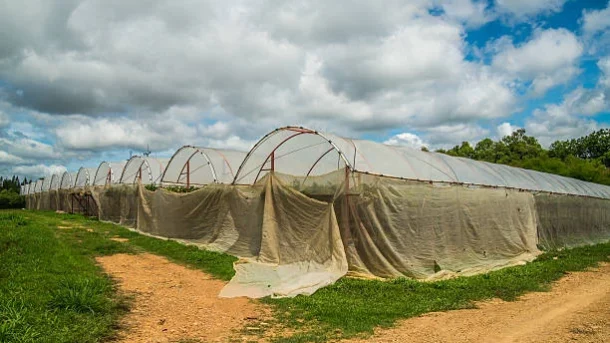
The “National Horticulture Board’s (NHB) Polyhouse and Shade Net Development Scheme” is the program that offers farmers financial support for the construction of polyhouses and shade net houses in India. This program is carried out by the National Horticulture Board, an agency of the Ministry of Agriculture and Farmers Welfare, to encourage protected farming methods in horticulture.

The Polyhouse and Shade Net Development Scheme’s salient characteristics are:

Financial support: The program offers financial assistance to farmers in the form of grants or subsidies to help them build polyhouses and shade net houses. Depending on the size of the building and the kind of horticultural crop that will be grown, different amounts of financial aid are provided.

Technical assistance and training: The program provides farmers with technical assistance and training on the building, running, and maintenance of polyhouses and shade net houses. This contains details on picking appropriate crops, watering techniques, managing pests and diseases, and making the best use of inputs like fertilizers and growth regulators.

Infrastructure development: The plan’s main objective is to build the infrastructure required to support protected agriculture. It involves the construction of shade net or cluster-based polyhouses, which offer shared services including electricity, water supply, storage, and marketing facilities to help farmers.

Building capacity: The plan places a focus on enhancing farmers’ knowledge and abilities in protected agriculture techniques by holding training sessions, workshops, and exposure tours. By doing this, farmers are able to adopt best practices and increase their yields and earnings.

Name a government program that aims to promote the cultivation of pulses and increase their production.

production

The “National Food Security Mission-Pulses” (NFSM-Pulses) is one government initiative that seeks to encourage the production of pulses in India. The Government of India established the NFSM-Pulses, a branch of the larger National Food Security Mission (NFSM), to increase the production of pulses, a significant source of protein in the Indian diet.

The NFSM-Pulses program’s primary areas of interest are as follows:

Improvement of varieties: The program aims to advance the production of high-yielding, disease-resistant pulse cultivars. It encourages farmers to use better tools and seeds to raise the yield and caliber of pulses.

Area expansion is the main goal of the NFSM-Pulses initiative, which helps farmers by offering them assistance and financial incentives. To address the rising demand for these products, it seeks to increase the cultivation of pulses in both rainfed and irrigated areas.

Increasing productivity: The program places a strong emphasis on using best practices and technologies to boost pulse productivity. This involves effective water use, suitable crop management practices, integrated nutrient management, adequate seed treatment, and pest and disease management.

What is the purpose of the National Food Security Mission (NFSM)?

National Food Security

India’s government has launched the National Food Security Mission (NFSM) with the aim of boosting food production and guaranteeing food security in the nation. The 2007-launched NFSM aims to increase production of rice, wheat, and pulses because they are crucial crops for the nation’s food security.

The following are the main goals of the National Food Security Mission:

Increasing food production: In order to fulfill the expanding food needs of the country’s population, the NFSM wants to boost the production of food crops, particularly rice, wheat, and pulses. By fostering improved agricultural practices, better crop management, and the use of cutting-edge technologies and farming methods, it focuses on closing the yield disparities.

production-boosting measures include promoting high-yielding varieties, better seed quality, balanced nutrition management, effective irrigation techniques, and integrated pest and disease control. The mission seeks to increase the production of food crops. By taking these steps, the output from each unit of land, water, and other resources should grow.

In order to maintain long-term food security, the NFSM places a strong emphasis on sustainable agricultural techniques. It encourages the use of resource-saving farming methods such integrated farming systems, organic farming, and conservation agriculture. These methods support resource conservation, environmental protection, and the sustainability of agricultural production systems.

Which scheme provides insurance coverage to farmers against weather-related crop losses?

crop losses

The Pradhan Mantri Fasal Bima Yojana (PMFBY) is an insurance program that protects farmers in India from agricultural losses caused by weather. The Indian government introduced the Pradhan Mantri Fasal Bima Yojana, Which scheme provides insurance coverage to farmers against weather-related crop losses insurance program, in 2016 to take the place of the National Agricultural Insurance Scheme (NAIS) and Modified National Agricultural Insurance Scheme (MNAIS), which had previously existed.

The Pradhan Mantri Fasal Bima Yojana’s principal goal is to give farmers financial assistance and insurance protection in the event that their crop losses due to natural disasters, pests, illnesses, or unfavorable weather. The program attempts to protect farmers’ income and guarantee their stability in the event of crop failure.

The Pradhan Mantri Fasal Bima Yojana’s main characteristics are as follows:

Comprehensive coverage: The PMFBY offers insurance protection for all horticultural, oilseed, and food crops (including cereals, millets, and pulses). It covers crop losses caused by recognized hazards, such as drought, flood, cyclone, hailstorm, pest attacks, illnesses, etc., both before sowing and after harvest.

Premium Subsidy: The program provides farmers with premium subsidies to lessen their financial burden. Farmers can only pay a maximum premium of 2% for Kharif crops, 1.5% for Rabi crops, and 5% for horticulture crops. The premium rates are negligible. The federal and state governments split the remaining premium payment.

Which scheme focuses on promoting organic farming practices in India?

promoting organic farming

The “Paramparagat Krishi Vikas Yojana” (PKVY) is a program that promoting organic farming methods in India. The Department of Agriculture, Cooperation, and Farmers Welfare, which is a division of the Ministry of Agriculture and Farmers Welfare, is responsible for implementing the PKVY program.

The Paramparagat Krishi Vikas Yojana’s primary goal is to support and spread among farmers the use of organic agricultural methods. The program’s objectives include expanding the area under organic farming, improving soil fertility, lowering the use of synthetic inputs, and promoting organic farming and environmentally friendly farming methods.

Key elements and goals of PKVY include:

Expansion of the organic farming area: PKVY encourages farmers to embrace organic methods in order to expand the organic farming area. It promotes farmers to transform non-certified organic farms into organic farms.

Building capacity: The program’s main objective is to give farmers training and capacity-building programs in organic farming methods, composting, the use of bio-fertilizers, the management of organic pests and diseases, and other sustainable practices.

Financial support: To help farmers cover the costs of organic growing, PKVY offers financial aid. It includes help with inputs like vermicompost, organic manure, bio-pesticides, and bio-fertilizers. The program also encourages the development of clusters of organic farms.

How does climate variability affect the quality and yield of agricultural products?

climate variability

Crop output: climate variability , such as shifts in temperature and precipitation patterns, can have a direct effect on crop output. Droughts, heatwaves, floods, and storms are examples of extreme weather conditions that can impair crop productivity and reduce yields. Temperature extremes and insufficient or excessive rainfall can have a negative impact on plant growth, flowering, pollination, and fruit set, which eventually affects the amount of harvested crops.

Quality of Agricultural Products: The quality of agricultural products can also be impacted by climate change. Variations in temperature can have an impact on a crop’s chemical makeup, nutritional value, and flavor, especially during critical growth periods. For instance, cereals with high grain filling temperatures may have lower quality and lower protein content. Fruits and vegetables’ size, color, texture, and flavor can all be affected by erratic rainfall patterns.

Pests and illnesses: The frequency and geographic distribution of pests and illnesses in agricultural systems are influenced by climate variability. Temperature and humidity variations can foster the development of pests and diseases, increasing infestation rates and causing crop loss. The life cycles and population dynamics of pests can also be impacted by variations in rainfall patterns, potentially amplifying their negative effects on crops.

Water Availability: Crop growth and output can be impacted by the availability of water for irrigation due to climate fluctuation. Water shortage can cause water stress in plants, which can have an impact on their development and output during times of low rainfall or protracted droughts. Crop failure and decreased yields can result from insufficient water availability, which can also restrict the capacity to irrigate crops.

How does climate change affect pests and diseases in agriculture?

pests and diseases

Geographic Range Shifts: As a result of climate change, changes in temperature and precipitation patterns may cause pests and diseases’ geographic ranges to shift. Pests and diseases may spread to new areas that were previously inappropriate for their existence as a result of warming temperatures. In contrast, if temperatures rise over their ideal range in some locations, certain pests and disease may become less prevalent. As a result, pest and disease pressure may shift, necessitating modifications to pest management tactics.

Phenology and Life Cycles: Pests and diseases have different phenologies (timing) depending on the climate. Insects, pests, and pathogens can develop more quickly and live longer, which results in earlier emergence, higher reproduction rates, and more generations each year. Pest and disease pressure may increase as a result.
Increased pest outbreaks are a potential result of climate change. Infestations and outbreaks of some pests can result from warmer temperatures and changing precipitation patterns that encourage their fast population growth. These outbreaks have the potential to seriously harm crops and cost farmers money. Additionally, climatic disturbances like storms and floods can foster an environment that is conducive to the spread of illnesses and pests.

Invasive Species: Climate change may make it easier for diseases and pests to spread to new areas. It may be possible for invasive species to establish themselves in regions where they were previously impossible to do so as a result of rising temperatures and changing climatic patterns. The displacement of native species, crop damage, and ecological disruption caused by invasive pests and diseases can have a severe impact on agriculture.