Pests

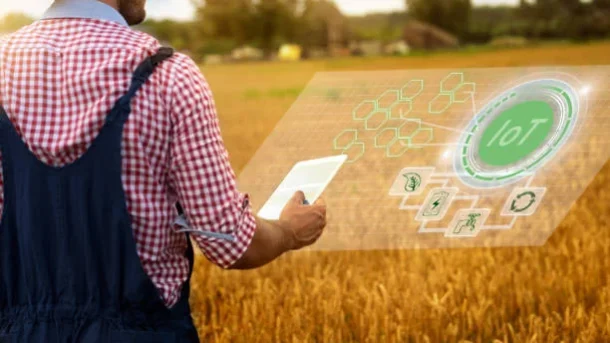
How is the use of remote sensing and GIS being applied in crop monitoring and management?

sensing

Crop Health Assessment: The health and vigor of a crop can be evaluated using remote sensing techniques like satellite imaging and aerial surveys. Farmers and agronomists can spot fields that might be under stress, have nutrient deficits, or have pest and disease outbreaks by examining vegetation indices obtained from satellite data, such as the Normalized Difference Vegetation Index (NDVI). Targeted actions like modifying irrigation, providing fertilizer, or putting in place pest control measures are made easier with the aid of this information.

Crop yield estimation and forecasting are made possible by the combination of remote sensing data with crop modeling methods. Farmers and decision-makers can forecast crop output potential by continuously observing variables including vegetation growth, canopy density, and chlorophyll content. This knowledge aids in

Remote sensing is extremely important in the assessment and management of water resources for agricultural use. Remote sensing aids farmers in streamlining irrigation schedules and increasing water use effectiveness by tracking soil moisture content, evapotranspiration rates, and indicators of water stress, such as the Water Stress Index (WSI). It makes it possible to undertake precision agriculture, ensuring that crops have access to water while reducing waste.
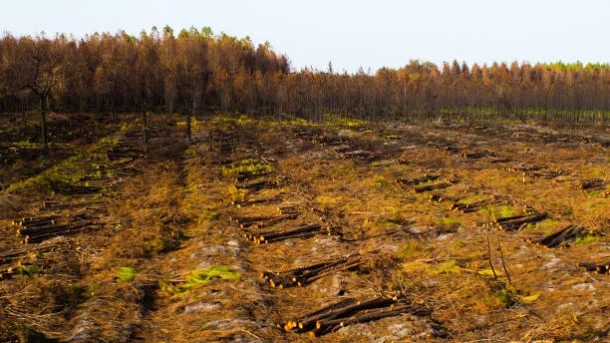
What are the implications of changing land use and deforestation for agriculture?

deforestation

Loss of Agricultural Land: Deforestation frequently entails the clearance of trees for other land uses like agriculture, infrastructure construction, or urbanization. As a result, valuable agricultural land is lost, lowering the amount of land that may be used to grow food. Farmers may thus encounter difficulties when they try to increase agricultural production and satisfy the rising food demand.

Environmental Impact: Deforestation causes biodiversity loss and environmental degradation. In order to preserve ecosystem equilibrium, provide home for wildlife, and support fundamental ecological processes, forests are necessary. Loss of important ecosystem services, soil erosion, water pollution, and reduced water availability can all result from the clearing of forests for agricultural purposes. Agriculture’s productivity and sustainability may be significantly impacted by this.

Land use changes and deforestation both contribute to climate change. By removing and storing carbon dioxide from the atmosphere, forests serve as carbon sinks. When forests are cut down, the carbon that has been stored there is released, which increases greenhouse gas emissions. Deforestation also disturbs regional and local climate patterns, influencing temperature regulation, rainfall patterns, and general climatic conditions that are essential for agricultural output.

Biodiversity loss is a result of deforestation, which causes many different plant and animal species to lose their habitats. Compared to natural ecosystems, agricultural landscapes often have reduced biodiversity. The loss of biodiversity can alter the ecological balance, have an impact on pollination, insect management, nutrient cycling, and make agriculture more susceptible to pests and illnesses.

How is the agriculture sector addressing the issue of post-harvest losses?

post-harvest

Improved Harvesting Methods: Using good harvesting methods, such as sharp instruments, timing, and handling procedures, can lessen physical harm to crops when they are being harvested. As a result, there is a lower chance of post-harvest losses from bruising, cutting, and mechanical harm.

Efficient Handling and Transportation: To avoid post-harvest losses, good handling and transportation procedures are essential. This entails making use of the suitable packaging materials, cutting down on handling distance and time, and assuring efficient loading and unloading procedures. Effective transportation systems, such as cold chain infrastructure and refrigerated vehicles, aid in preserving product quality and reducing losses during transit.

Investing in better storage facilities, such as cold storage, silos, and warehouses, can considerably lower post-harvest losses. crops against pests, pathogens, dampness, and temperature swings with the use of adequate storage facilities.

Value-Added Processing: By transforming perishable crops into processed goods with longer shelf lives, value-added processing can help reduce post-harvest losses for agricultural products. Processing methods including canning, freezing, juicing, and drying help maintain the nutritional content of crops while minimizing spoilage losses.

How is the use of agrochemicals being reduced and replaced with sustainable alternatives?

IPM is a method that focuses on combining several pest control techniques in order to reduce the use of chemical pesticides. It entails keeping an eye on pests, using biological control agents, putting cultural methods (such as crop rotation and trap farming) into effect, and, as a last option, using chemical pesticides. IPM seeks to keep pest numbers below those that are environmentally harmful and economically destructive.

Biological control: Using beneficial insects, nematodes, or microbial agents—all natural enemies of pests—to suppress pest populations is known as biological control. This strategy encourages ecological equilibrium and lessens the demand for artificial pesticides. Using insect pathogens, releasing predator insects, and using biopesticides made from naturally occurring microbes are a few examples.

Crop Diversity and Rotation: By preventing the population growth of pests and lowering the demand for chemical controls, crop diversity and rotation help break pest cycle cycles. Farmers can stop the multiplication and survival of pests by switching crop species and families. Additionally, a field or farm’s general resilience to pests and illnesses can be improved by growing a variety of crops there.

What are the implications of changing consumer demands for organic and locally sourced products?

organic and locally

For the agricultural sector, shifting customer preferences for organic and locally sourced goods have important ramifications. Here are some significant ramifications:

Market Opportunities: In recent years, the demand for organic and locally derived products has been continuously increasing. For farmers who can satisfy these consumer preferences, this opens up new market prospects. Producers who can adopt sustainable agricultural methods or gain organic certifications can take advantage of this specialized market and possibly charge better prices for their goods.

Change in Production Methods: In order to meet consumer demand for organic and locally sourced goods, production methods frequently need to change. Changes in crop rotation, pest and weed control, and the use of organic farming techniques may be necessary for farmers to move from conventional farming methods to organic farming practices.

Benefits for Sustainability and the Environment: Organic farming methods, which eschew synthetic chemicals and put soil health first, can benefit the environment. Organic farming can reduce soil erosion, water pollution, and harmful effects on biodiversity by using less synthetic pesticides and fertilizers. Locally sourced goods can also support local food systems and lessen the environmental impact of long-distance shipping.

How are emerging pests and diseases affecting global crop production?

pests and diseases

Emerging pests and diseases present serious obstacles to the production of crops worldwide. They have the following effects on agricultural systems:

Emerging pests and illnesses can result in severe crop losses, lowering agricultural productivity and yields. They can have an impact on a variety of crops, including horticulture crops, income crops, and staple food crops.

Economic Repercussions: Emerging diseases and pests can have significant economic repercussions. Farmers may suffer losses as a result of lower crop yields, higher pest management and disease control expenses, and a decline in the market value of impacted crops. This may directly affect national economies, rural livelihoods, and farm earnings.

Emerging diseases and pests are a concern to food security worldwide. They can interfere with food production processes, cause food shortages, and damage crops, especially in areas that largely depend on particular crops for survival.

Trade and Market Access: The presence of developing diseases and pests may have an impact on both trade and market access internationally. To stop the transnational spread of diseases, phytosanitary rules and trade restrictions may be put in place. This may reduce export prospects and affect how competitive the agriculture sectors are.

How has climate change impacted agricultural productivity and food security?

impacted

The productivity of agriculture and the availability of food have been significantly impacted by climate change, creating difficulties for the world’s food chain. Here are a few ways that agriculture has been impacted by climate change.

Temperature and precipitation changes: Increasing temperatures and shifting precipitation patterns have a direct impact on the growth and development of crops. Crop yields can be affected by heat stress, and it can also affect pollination and raise water usage. Schedules for planting, irrigation, and harvesting can be affected by droughts or floods brought on by changes in rainfall patterns.

Changes to Phenological Cycles and Traditional Growing Seasons: Planting, flowering, and harvesting times may all be impacted by climate change. Agricultural practices may be difficult for farmers to modify in response to the changing environment, which could result in lower crop yields and unstable production.

Water Scarcity and Unpredictability: Climate change may make it more difficult to get enough water for irrigation systems, crops, and cattle in many areas. Water shortages may result from altered rainfall patterns and higher rates of evaporation, which may have an impact on agricultural productivity and food production.

Pest and disease spread: Changes in the climate can have an impact on the distribution and prevalence of pests and diseases, increasing the risks and difficulties in managing crops and livestock. Warmer weather can encourage the spread of illnesses and pests, necessitating more resources and pest control techniques.

What are the benefits of using smart pest management systems?

smart pest

Early Disease and Pest Detection: To identify illnesses and pests at an early stage, smart pest management systems make use of sensors, imaging technology, and data processing. These systems can detect pest infestations before they become severe by continuously monitoring fields and crops. This enables quick intervention and reduces considerable damage.

Targeted and accurate Treatment: Smart pest control solutions make it possible to treat pests in a targeted and accurate manner. These systems can choose the best time, place, and amount of pest control measures by using data from sensors, satellite imaging, and weather forecasts. This focused strategy enables effective pest management while minimising the use of pesticides and their negative effects on the environment.

Better Crop Health and Quality: By assuring prompt and effective pest control methods, smart pest management systems assist maintain crop health and quality. These technologies avoid crop damage, preserve optimal plant growth, and improve the general quality of agricultural produce by successfully managing insect populations.

Smart pest control systems produce an abundance of data about pest dynamics, environmental factors, and treatment efficacy. Informed decisions about pest management tactics, crop rotation, and planting schedules can be made using this data after analysis. Farmers can optimise their pest control techniques, increase output, and improve farm management practises by utilising data-driven insights.

How is artificial intelligence being applied in pest management?

artificial intelligence

Artificial intelligence-based systems can identify and detect pests by analysing photos or sensor data gathered from fields. Using photos or videos taken by drones, cameras, or sensors, computer vision algorithms can identify pest species, damage signs, or pest activity patterns. This makes it possible to identify pests early and supports farmers in acting quickly to stop the spread of such pests.

In order to forecast and predict pest outbreaks, AI systems can process data from a variety of sources, including weather patterns, crop phenology, and insect population dynamics. AI algorithms can produce precise pest risk assessments by examining historical data and real-time inputs, assisting farmers in foreseeing pest outbreaks and organising preventative measures. Through focused therapies made possible by this proactive strategy, there is less need for

Artificial intelligence-powered decision support systems give farmers access to real-time information and pest management advice. These systems combine information from several sources, such as historical records, crop status, pest monitoring data, and weather forecasts. AI algorithms can use this data to analyse pest management procedures that are most effective, such as when and how much to apply pesticides, cultural norms, or biological control techniques. This helps farmers make wise judgements, use less pesticides, and have a smaller negative environmental impact.

 What are the best practices for managing pests and diseases in crops?

best

The best way to control both pests and diseases is to keep plants healthy.

Build healthy soil. Healthy soil provides a home to friendly insects and helps prevent many plant disease.Plant resistant varieties. Ask farmers or extension agents about seeds to make sure the ones you choose are resistant to common pests and diseases.

Space plants correctly. Planting crops too close together limits the sunshine and air that reaches the leaves, and allows diseases to thrive. But planting crops farther apart leaves room for weeds, dries the soil, and may reduce the harvest. Experiment to see what spacing works best for each crop.

Plant at the right times. Pests and diseases often respond to the weather, such as the first rains or the first warm day. Watching how each crop grows and talking with other farmers about these patterns can help you decide the best time to plant. Planting earlier than usual can make sure crops are big enough to resist pests or diseases that come at a certain time. Planting later can cause most of the pests or diseases to die out for lack of food.Plant a variety of crops and change crop patterns. Large areas with only 1 kind of plant attract pests who like that plant.

Water from below. Watering from above can cause diseases that live in soil to splash onto plants. And wet leaves and stems are good places for diseases to grow. Using drip irrigation or flood irrigation can keep plant leaves and stems healthy.