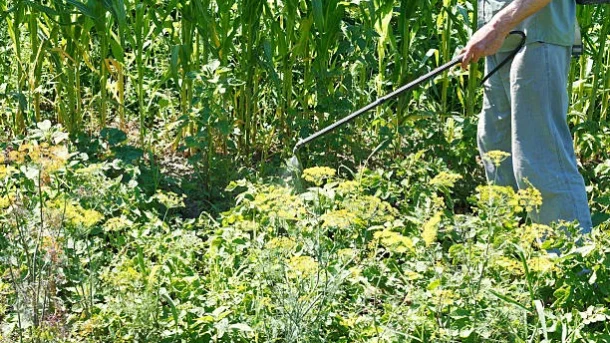
Plant diseases

What are the latest advancements in agricultural biotechnology?

agricultural biotechnology

Agricultural biotechnology was still a developing field with ongoing research and improvements as of my most recent report in September 2021. There might have been new developments since then. The following are some of the most recent developments in agricultural biotechnology:

Gene Editing Technologies: The field of agricultural biotechnology has undergone a revolution thanks to improvements in gene editing methods like CRISPR-Cas9. Crop DNA can be precisely and specifically modified through gene editing, resulting in the creation of plants with better features including disease resistance, drought tolerance, and increased nutritional value.

Technology called RNA Interference (RNAi) has gained popularity as a possible method to manage pests and diseases in crops. RNAi can interfere with pests’ and pathogens’ biological functions and lessen crop damage by silencing particular genes in them.

Designing and building biological components and systems for particular agricultural purposes is known as synthetic biology. It has the capacity to either make completely new creatures or alter existing ones to add desired features.

Agriculture biotechnology has seen an upsurge in the creation and application of biologicals and biopesticides. These items provide safer alternatives to chemical pesticides that are sourced from natural sources.

Microbiome Research: A key area of focus in agricultural biotechnology is the understanding of the plant microbiome and how it interacts with crops.

What are the potential impacts of biotechnology on the agricultural market?

biotechnology

By providing new tools and procedures that improve agricultural production, sustainability, and product quality, biotechnology has the potential to have a large impact on the agricultural industry. The use of biotechnology in agriculture entails the genetic engineering and manipulation of livestock and crops to enhance desired qualities. A few potential effects of biotechnology on the agriculture market are listed below:

Increased Crop Yields: Genetically modified (GM) crops with better tolerance to pests, diseases, and unfavorable environmental conditions may be developed as a result of biotechnology. These crops have the potential to boost agricultural productivity overall and yield greater production levels.

Enhanced Pest and Disease Resistance: Plants can be genetically modified to incorporate features that give them a higher level of resistance to pests and diseases. As a result, farmers and the environment gain from a decrease in the demand for chemical pesticides.

Improved Crop Nutritional Content: By boosting the levels of vital vitamins and minerals in staple crops, for example, biotechnology can help combat hunger in disadvantaged communities.

Drought and Stress Tolerance: By using biotechnology’s, it is possible to create crops with enhanced resistance to drought and stress, enabling their production in marginal lands and areas with difficult environmental circumstances.

Reduced Environmental Impact: By lowering the need for chemical inputs, biotechnology can help create a more environmentally friendly agricultural system with fewer negative effects, such as less soil erosion and less pesticide use.

How are the market dynamics of genetically modified crops evolving?

genetically modified

Since their commercial introduction in the middle of the 1990s, genetically modified (GM) crops have undergone changes in the market dynamics. Crops classified as genetically modified have had their DNA altered through the use of genetic engineering methods in order to introduce desired qualities, such as resistance to pests, diseases, or herbicides, or to improve nutritional value. The market dynamics of genetically modified crops are changing in a number of significant ways, some of which are listed below:

Global Adoption: Over time, GM crops have been adopted more widely. Initially, GM crops were mostly planted in affluent nations, but due to the potential for higher yields and pest resistance, they have also gained popularity in developing nations.

Crop Varieties: At first, genetically modified plants were mostly used for large-scale agricultural products including corn, soybeans, cotton.

The development of “stacked” GM crops, which incorporate numerous genetically altered features into a single crop, is a result of more recent research. For instance, a crop may have characteristics for herbicide tolerance and insect resistance.

Public Perception: GM crops are viewed differently by the general public in various regions and nations. While some advocacy groups and consumers are concerned about the safety and environmental effects of GM crops, others see them as a useful tool for tackling issues with food security and sustainable agriculture.

Globally, there are several regulatory environments for GM crops. While some nations have strict guidelines for authorizing and commercializing GM crops, others have more lax laws.

What are the key factors driving agricultural market fluctuations?

fluctuations

A number of variables, including natural phenomena, technical developments, economic policies, and geopolitical events, all have an impact on the agricultural market. Both short- and long-term fluctuations in agricultural commodity pricing and market dynamics may result from these variables. The following are some important variables influencing the agricultural market:

Climate and weather conditions can have a direct impact on crop yields and livestock output, which can change the price of agricultural commodities. Examples of such weather events include droughts, floods, heat waves, and hurricanes.

Crop diseases and insect infestations can have a significant impact on crop production and result in price volatility in the agricultural market.

Global Demand and Population Growth: Increasing populations worldwide and dietary habits have an impact on consumer demand for agricultural products, which in turn affects the cost and availability of those products.

Supply and Demand Balance: A key factor in market fluctuations is the equilibrium between agricultural supply and demand. This balance can be affected by variables such as shifts in production levels, food stockpiles, and export and import quantities.

Trade Policies and Agreements: Tariffs, trade agreements, and international trade policies can affect the movement of agricultural commodities and affect prices.

How does climate change affect the agricultural market?

climate change

The agricultural market is significantly impacted by climate change, which has an impact on many facets of agricultural production, distribution, and commerce. Changes in crop yields, commodities prices, and the world’s food supply may result from these effects. The agriculture market is impacted by climate change in the following ways:

Crop Yields and Productivity: As temperatures and precipitation patterns change due to climate change, severe weather events including droughts, floods, heat waves, and storms may become more often and intense. These harsh weather conditions may have a significant effect on crop production and yields, which would decrease the market’s supply of agricultural products.

Changes in Growing Seasons and Geographic Distribution: Changing climate conditions can change the best times for crops to grow and also affect which areas are suitable for agriculture. Farmers may need to adjust by switching to other crop kinds or altering planting and harvesting times.

Changes in precipitation patterns and rising temperatures may have an impact on the availability of water for irrigation. Water shortages can hinder agricultural output, resulting in lower crop yields and more expensive production.

Pests and diseases: Pests and diseases that damage crops and livestock might shift in their range and frequency as a result of climate change. There could be an increase in the usage of pesticides and veterinary medications due to the emergence of new or more aggressive diseases and pests, which could have an impact on production costs and product quality.

What are the benefits of using controlled environment agriculture in urban areas?

controlled environment agriculture

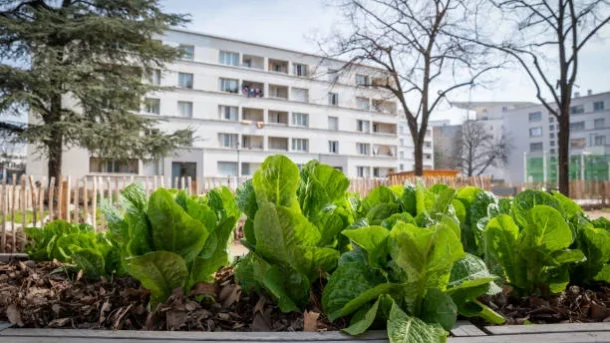
When used in urban locations, controlled environment agriculture (CEA) has a number of advantages. The following are some major benefits of applying CEA in urban settings:

Crop production all year long: controlled environment agriculture permits crop production all year long, regardless of the outside weather. Crop production is made possible by CEA systems by offering a controlled environment that includes temperature, humidity, light, and CO2 levels. As a result, metropolitan regions have a consistent and predictable supply of food because there is less reliance on seasonal variations and outside causes.

Effective use of space: The amount of agricultural land that is available in urban settings is frequently constrained. Contrary to conventional agricultural practices, CEA systems, such as vertical farms, hydroponics, or aeroponics, make better use of available space. Higher crop yields are possible because they can be built to make the most of vertical or horizontal space.

Water conservation: CEA systems use water quite effectively. They frequently use water-recycling and -reusing closed-loop irrigation technologies, including hydroponics or aeroponics. By reducing evaporation, runoff, and losses brought on by ineffective irrigation techniques, CEA can dramatically cut water use when compared to conventional open-field agriculture. In metropolitan settings where there is a lack of water, this water saving is very beneficial.

Reduced use of pesticides and herbicides: In CEA systems, the controlled environment offers advantages for managing pests and diseases naturally. The requirement for chemical pesticides and herbicides can be considerably reduced by CEA by avoiding exposure to external pests. The use of biological control agents, a type of integrated pest management (IPM) strategy, can be more successfully applied in CEA, further lowering reliance on chemical inputs. Produce for urban markets becomes cleaner and healthier as a result.

How can remote sensing techniques help detect nutrient deficiencies in crops?

remote sensing

Remote sensing and data integration: AI can use remote sensing data to monitor crop health and spot disease outbreaks over wide areas, such as satellite imaging or drone-based multispectral photos. Artificial intelligence (AI) can evaluate complicated interactions and correlations to discover illness risk factors and forecast the prevalence of diseases by combining data from various sources, such as meteorological data, soil conditions, and historical records. The decision-making process for managing and preventing diseases is improved by this data-driven approach.

Disease modeling and prediction: Using environmental factors, crop growth stages, and past disease data, AI can create predictive models that predict disease outbreaks. Artificial intelligence (AI) algorithms can produce precise disease risk assessments and offer early warning systems by evaluating enormous datasets and locating pertinent variables. 

Spectral bands that are particular to nutrients: Some nutrients have distinct absorption or reflectance characteristics that can be found through remote sensing. For instance, whereas the Photochemical Reflectance Index (PRI) might reveal changes in carotenoid pigments linked to nutritional stress, the Red Edge Position (REP) represents the nitrogen status of plants. Remote sensing can shed light on nutritional deficiency by examining these particular spectral bands.

Remote sensings enables the spatial mapping of variability in a field, such as nutrient deficits. Remote sensing techniques can identify fluctuations in nutrient levels and pinpoint particular places with nutritional deficits by gathering data over a vast area. With the help of this knowledge, targeted actions can efficiently fix nutrient imbalances, including variable rate fertilization.

What is the potential of using artificial intelligence for plant disease diagnosis?

plant disease

For the diagnosis and management of plant disease, artificial intelligence (AI) has tremendous potential. Here are some ways AI can advance this area:

Early detection and diagnosis: AI systems can examine a lot of data, including photos, sensor readings, and historical records, to find and identify plant disease early on. AI may learn to recognize disease signs, trends, and indicators that may be challenging for human observers to notice by training machine learning models on a variety of datasets. Early detection allows for prompt intervention and therapy, which slows the progression and effects of disease.

Image analysis and recognition: AI-powered image recognition systems can examine plant photos taken by cameras or drones and spot lesions, lesions, illness symptoms, and other visual signs of disease. 

Remote sensing and data integration: AI can use remote sensing data to monitor crop health and spot disease outbreaks over wide areas, such as satellite imaging or drone-based multispectral photos. Artificial intelligence (AI) can evaluate complicated interactions and correlations to discover illness risk factors and forecast the prevalence of diseases by combining data from various sources, such as meteorological data, soil conditions, and historical records. The decision-making process for managing and preventing diseases is improved by this data-driven approach.

Disease modeling and prediction: Using environmental factors, crop growth stages, and past disease data, AI can create predictive models that predict disease outbreaks. Artificial intelligence (AI) algorithms can produce precise disease risk assessments and offer early warning systems by evaluating enormous datasets and locating pertinent variables. These forecasts assist farmers in implementing precautionary measures and resource of farm.

What are the benefits of using biological control methods for weed management?

weed management

When opposed to traditional chemical pesticides, using biological control approaches for weed management has various advantages. The following are the main benefits of using biological control to manage weeds:

Environmental security: Biological control techniques concentrate on employing natural enemies to control weed management, such as insects, diseases, or animals. Unlike chemical herbicides, which harm non-target plants and the environment, biological control agents are specific to the weeds they target. This strategy lessens the possibility of soil and water contamination, cuts down on pesticide residues, and protects biodiversity.

Biological control is a long-term and environmentally friendly method of managing weeds. Once established, natural enemies can continue to control weed populations for a considerable amount of time. This lessens the requirement for recurrent herbicide applications, as well as the expenses and inconvenience.

Reduced weed populations that are resistant to herbicides: The widespread use of chemical pesticides can cause this problem. An other tactic that can slow the emergence and spread of herbicide-resistant weeds is biological control. The introduction of many natural enemies targets weeds via various mechanisms, lowering the selective pressure for herbicide resistance.

Cost-effectiveness: In the long run, biological control may be less expensive than repeatedly using herbicides. Once established, natural enemies can continue to control weed growth without ongoing inputs. As a result, it may be possible to cut back on the cost of herbicides, manpower, and any associated apparatus or equipment. Large-scale weed management activities may benefit especially from it.

What is the impact of climate change on global food security? 

global food security

Global food security is significantly impacted by climate change, which has an impact on many areas of food production, distribution, and access. The following are some significant effects of climate change on world global food security:

Crop production and variations in yield: Crop productivity is directly impacted by rising temperatures, shifting precipitation patterns, and a rise in the frequency of extreme weather events like droughts, floods, and heatwaves. Climate changes have the potential to shorten growing seasons, lower crop yields, and increase output variability. These yield variations might threaten the stability and availability of food, especially in areas that depend significantly on agriculture.

Changed dynamics of pests and diseases: Pests and diseases that harm crops and livestock can vary in their distribution, behavior, and frequency as a result of climate change. 

Obstacles to irrigation and water availability: Climate change-related changes in precipitation patterns and growing water scarcity may make it more difficult to irrigate agricultural land. Crop growth can be hampered by a lack of water, especially in regions that largely rely on irrigation. This may lead to lower agricultural yields, more competition for available water supplies, and more difficulties for farmers trying to sustain irrigation for food production.

Vulnerability of livestock and fishing: Livestock and fishing, which are essential sources of protein and nourishment, are impacted by climate change. Animal health, reproduction, and productivity may be impacted by rising temperatures, heat stress, and modifications in water availability. The livelihoods of coastal communities that depend on fishing can be threatened by changes in fish populations brought on by changes in ocean temperatures and acidity.