Plant diseases

How does baking soda helps to prevent the occurrence of powdery mildew on plants?

baking soda

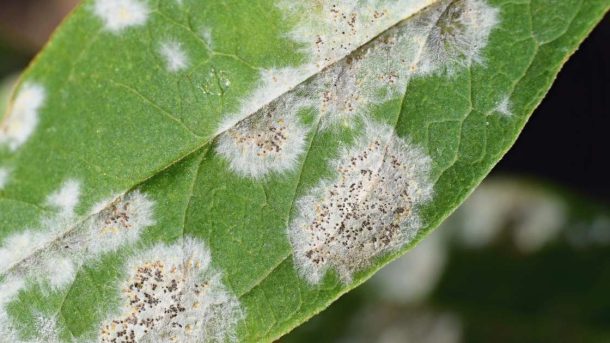
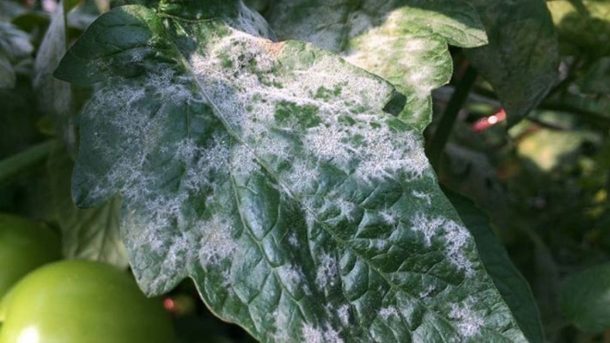
1 tablespoon of baking soda with half teaspoon of liquid soap and 1 gallon of water is mixed together and sprayed over the infected area to reduce the occurrence of powdery mildew. This is useful to prevent the disease, but is less effective once the disease has started.

When baking soda is sprayed on plants, it disrupts the ion balance of fungal cells, which causes them to collapse. Also, fungal spores are eliminated because the baking soda leaves alkaline residues on the surface of plants. Apart from acting as a fungicide, it has several other benefits in the garden.
What is Browning of rice?

Browning

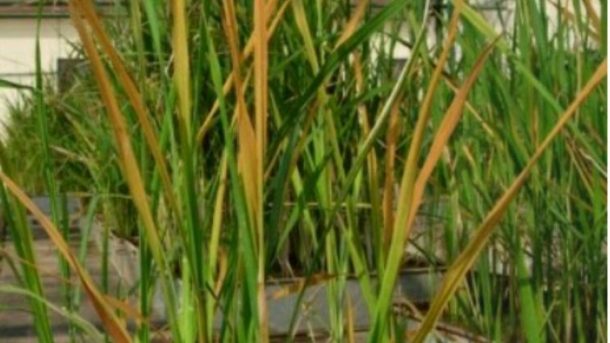
Iron toxicity in rice is known as browning of rice. Iron toxicity is the major problem to rice production in water logged acid- sulphate soils of ultisols & oxisols soil orders. The beginning of iron toxicity is characterized by the appearance of purple coloration at the leaf tips and finally has a scorched appearance. Phalguna variety is tolerance to iron toxicity.

 What is khaira disease and why it occurs?

occurs

It is the disease which usually occurs in rice due to zinc deficiency at the nursery stage. The tip of the zinc deficient leaves first become yellow and then dry and plant remained stunted. It can be identified by the appearance of rust coloured or brownish red coloration on the surface of the outer leaves. It can be managed by spraying of @ 5 kg zinc sulphate at nursery stage or foliar spray of 0.5 percent Zinc sulphate in early stage of crop.

What is plant quarantine?

plant quarantine

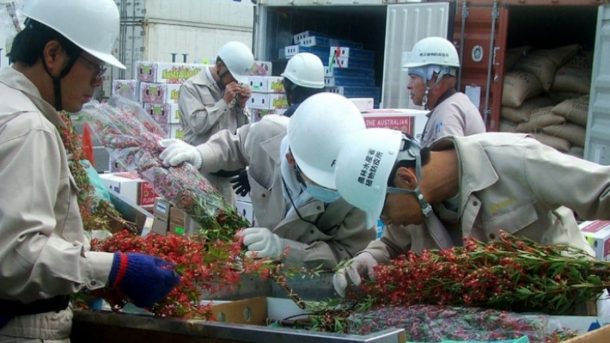
A plant quarantine can be defined as a legal restriction on the movement of agricultural commodities for the purpose of exclusion, prevention or delay in the establishment of plant pests and diseases in areas where they are not known to occur.

What is corm rot and how it is treated?

corm rot

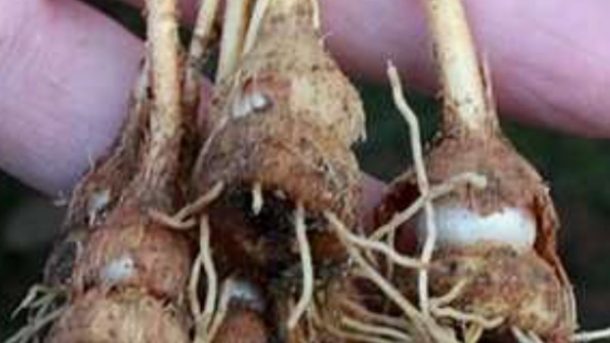
There are many reasons for low corm production, but one of the main reasons for stabilized saffron production is corm rot complex caused because of many soil borne pathogens like Fusarium oxysporum, Rhizoctonia crocorum etc. the disease is identified by the yellowing of leaves, wilting, round spots on the corm, leaf dropping and converting corms into black powdery mass. The disease of corm rot can be managed with chemical fungicides like carbendazim or mancozeb etc. Soil solarization and other biological methods are also used for treating the soil and corms before planting.

How to treat powdery mildew in coriander?

coriander

Seed treatment with Pseudomonas fluorescens ( Pf 1 ) @ 10 g /kg and foliar spray of Pf1 2 g/lit or Spray Wettable sulphur 1 kg/ha or Dinocap 250 ml/ha at the time of initial appearance of the disease and 2nd spray at 10 days interval. Neem seed kernel extracts 5 % spray thrice (1st spray immediately after the appearance of disease, 2nd and 3rd at 10 days interval).