Plant diseases

 How does CEA allow for year-round production?

year-round

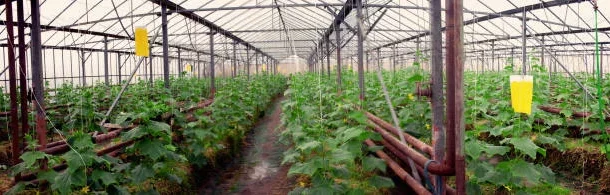
Crop production is made possible year-round by controlled environment agriculture (CEA), which establishes and sustains ideal growing environments independent of the weather outside. Here is how CEA makes it possible to produce crops all year long:

Climate control: To control temperature and humidity, CEA systems make use of cutting-edge climate control technology as heating, ventilation, and air conditioning (HVAC) systems. This enables gardeners to establish and sustain the perfect environment for plant growth all year long. Crops in CEA systems can be grown in a controlled environment with ideal humidity and temperature conditions, regardless of changes in the outside weather.

Light supplementation: CEA systems use artificial illumination to supply the appropriate light spectrum and intensity for photosynthesis. These lights are typically energy-efficient light-emitting diodes (LEDs). With the help of artificial lighting, growers can extend the photoperiod or add extra light to their crops during low-light seasons like winter or in places with little direct sunlight. A year-round supply of light for plant growth and development is guaranteed by CEA systems by adjusting lighting settings.

Protection against harsh weather: CEA buildings, such greenhouses or indoor facilities, offer defense from extreme weather occurrences like frost, hailstorms, intense heat, or heavy rains. Crops are protected by these structures from harmful elements, enabling continuous growth and lowering the possibility of crop failure or damage brought on by erratic weather patterns.

Disease and pest control: The controlled environment provided by CEA helps to reduce disease and pest outbreaks. The risk of pests and illnesses is decreased by CEA by using physical barriers, such as screens or netting, and by keeping a clean and regulated environment. The use of proactive and sustainable integrated pest management (IPM) strategies, such as biological controls and monitoring systems, can help manage pests and diseases further, ensuring crop health and reducing crop losses.

What are the advantages of aeroponic systems?

systems

When compared to alternative growing techniques, aeroponic systems have a number of advantages that make them a desirable option in some situations. Some of the major benefits of aeroponic systems include the following:

Effective use of water: One of the most water-efficient growing techniques is aeroponics. Aeroponic systems distribute water directly to the plant roots in a highly targeted manner using a thin mist or spray. With this focused application, less water is wasted and water usage can be precisely managed. Aeroponics may conserve a lot of water as compared to hydroponics or conventional soil-based farming.

Maximum oxygen availability: Aeroponics suspends the roots in the air, which supplies them with a constant flow of oxygen. This encourages strong root growth and effective nutrient uptake.

Improved nutrient uptake: In aeroponics, the roots may acquire nutrients more quickly thanks to the misting or spraying of nutrient-rich water. Better interaction between the nutrient solution and the root surface is made possible by the small droplets penetrating the root zone. In comparison to other growing techniques, this makes it easier for nutrients to be absorbed quickly by plants. Aeroponic systems can therefore encourage quicker development and greater nutrient uptake effectiveness.

Disease risk is decreased thanks to aeroponic systems, which are more resistant to soil-borne infections and illnesses. Having no direct touch with soil or a growing media, the roots reduce the possibility of pathogen spread. Aeroponics’ intermittent misting or spraying of the nutrient solution also prevents pathogen growth and contributes to the development of an adverse environment.

How can drones be used for crop monitoring?

drones

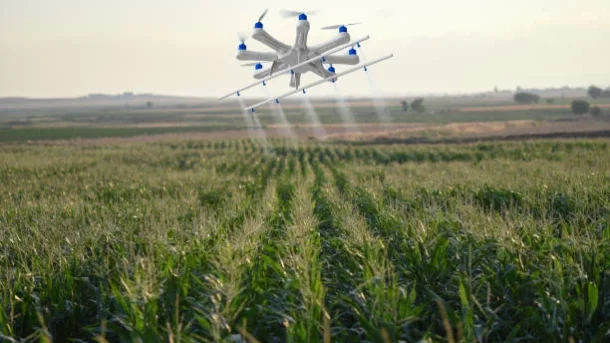
In crop monitoring, drones have proven to be an invaluable tool for giving farmers rapid access to accurate information about their farms. Drones are used in crop monitoring in the following ways:

Aerial imaging: Crop fields are captured in high-resolution by drones with cameras. By giving farmers a bird’s-eye view of the entire field, these photographs enable them to evaluate the health of their crops, spot anomalies, and spot patterns of variability. Crop stress, nutritional deficits, disease outbreaks, and insect infestations that may not be visible from the ground can be found via aerial imagery.

Vegetation indices: Drones can collect data to construct various vegetation indices, such as the Normalized Difference Vegetation Index (NDVI), by utilizing specialized cameras or sensors. These indexes offer numerical data on the health and vigor of plants. NDVI measurements show the density

Crop scouting: Drones with cameras or sensors can carry out focused reconnaissance missions to keep an eye on particular fields’ points of interest. A drone can be used to take precise pictures or thermal data, for instance, if a farmer fears a pest infestation in a particular area of the field. Drones can save farmers time and effort by promptly identifying agricultural problems and taking action.

Drones can be used to monitor agriculture fields for the first indications of disease or insect outbreaks. Drone can discover differences in plant health, find stress patterns, and locate infestation hotspots by taking high-resolution photos, thermal data, or multispectral data. This enables farmers to undertake timely pest control measures.

What is the primary goal of the National Mission on Agricultural Extension and Technology (NMAET)?

Agricultural Extension

The National Mission on Agricultural Extension and Technology (NMAET)’s main objectives are to improve agricultural extension services in India and encourage farmers to adopt cutting-edge agricultural technologies. Through efficient extension and technology distribution, the objective is to increase agricultural productivity, increase farmers’ income, and ensure sustainable agricultural growth.

The National Mission on Agricultural Extension and Technology’s main goals are as follows:

Enhancing the quality and scope of extension services will help NMAET achieve its goal of strengthening the current agricultural extension system. Enhancing the knowledge and abilities of extension staff, creating efficient communication channels, and employing information and communication technology (ICT) are all necessary to make it easier for farmers to receive agricultural information.

Dissemination and acceptance of technology: The objective is to encourage farmers to adopt cutting-edge agricultural technologies and best practices. By easing the flow of technology and knowledge from research centers to the field, it seeks to close the knowledge gap between farmers and academic institutions. Promoting the use of enhanced seeds, effective irrigation methods, crop management practices, mechanization, post-harvest technologies, and other innovations that help raise agricultural productivity and sustainability are a few examples of this.

NMAET places a strong emphasis on training and capacity development programs for farmers in order to improve their knowledge and abilities in contemporary agricultural methods. These training courses cover a wide range of subjects, such as methods for crop production, management of soil and water quality, control of pests and diseases, farm mechanization, value addition, and marketing tactics.

Increasing farmer empowerment through Farmer Producer Organizations (FPOs): To increase farmer empowerment, increase their negotiating power, and promote collective decision-making, the mission supports the development and strengthening of Farmer Producer Organizations (FPOs). Farmers can access inputs, loans, technology, and markets through FPOs, which helps to improve their socioeconomic circumstances.

Which government initiative focuses on promoting the cultivation of horticultural crops under protected cultivation?

horticultural crops

The “Mission for Integrated Development of Horticulture” (MIDH), a government project, promotes the growing of horticultural crops under protected cultivation. The Government of India has adopted the MIDH program, which is centrally supported, to encourage the sector’s overall growth and development, including the production of horticultural crops under protected conditions.

Farmers and business owners interested in horticulture, such as the cultivation of fruits, vegetables, flowers, spices, and medicinal plants, are given financial and technical support under the MIDH. The program encourages the use of protected farming techniques, which entail raising crops in tightly regulated spaces including polyhouses, greenhouses, screen houses, and shade nets. These shielded buildings offer protection from bad weather, pests, and diseases, allowing year-round production and better crop quality.

The particular elements and assistance offered by MIDH for protected horticulture may consist of:

Infrastructure improvement: The program provides funding for the building, enlargement, and modernization of protected structures such greenhouses, polyhouses, and shade nets. This covers assistance with the acquisition of supplies, the setup of irrigation systems, and the installation of required machinery.

Training and capacity building are important aspects of protected agriculture, and MIDH places a strong emphasis on them for farmers, business owners, and other stakeholders. Training courses are offered to improve participants’ knowledge of crop choices, cultivation methods, pest and disease control, and resource management.

Access to high-quality planting material is supported by the program, which includes enhanced varieties and hybrids appropriate for growing under protected conditions. 

Which scheme aims to promote the cultivation of oil palm and provide support for oil palm processing units?

cultivation

The Palm Oil cultivation and Promotion Scheme is one program that tries to support oil palm processing facilities and encourage the growth of oil palm plantations. Governments or agricultural organizations usually carry out this plan in nations where oil palm production is an important business.

Subsidies and financial aid: In order to encourage farmers to grow oil palm, the program may offer them cash incentives, subsidies, or low-interest loans. This can aid in defraying the price of planting seeds, seedlings, fertilizer, and other oil palm cultivation-related inputs.

Technical support and training: The initiative can provide farmers with technical assistance and training programs to help them advance their oil palm farming techniques. This can include advice on planting procedures, insect control measures, irrigation strategies, and environmentally friendly farming methods.

Infrastructure development: The plan may include projects to create the infrastructure needed for growing and processing oil palm. To facilitate the expansion of the sector, this may entail constructing or improving irrigation infrastructure, highways, processing plants, and storage facilities.

Research and development: The plan may include funding for initiatives to improve oil palm cultivation, such as the creation of high-yielding strains, disease-resistant kinds, and effective processing methods. This improves the sector’s quality and production.

Name a scheme that aims to promote the cultivation of cashew and provide support for cashew processing units.

cashew processing

The “Mission for Integrated Development of Horticulture” (MIDH) is one program that attempts to support cashew processing facilities in India and encourage cashew processing farming. The Ministry of Agriculture and Farmers Welfare, Government of India, is responsible for carrying out the Mission for Integrated Development of Horticulture.

The Cashew Development Program’s main goals and initiatives typically consist of:

Promotion of Cashew Cultivation: The program’s main objective is to increase cashew production by giving farmers financial help, technical aid, and training. It involves assistance with the creation of fresh cashew orchards, the restoration of aged and underutilized orchards, the use of superior planting materials, and the adoption of best agricultural practices.

Training and Capacity Building: The initiative places a strong emphasis on training and capacity building programs for farmers growing cashews. It offers instruction on a variety of elements of cashew production, such as post-harvest management, irrigation management, planting methods, and pest and disease control.

Research and Development: The program funds initiatives for the production and processing of cashews. In order to create and spread better cashew varieties, crop management strategies, and processing methods, it encourages partnerships with research facilities, agricultural universities, and technology providers.

Which government initiative focuses on promoting the cultivation of aromatic rice varieties?

aromatic rice varieties

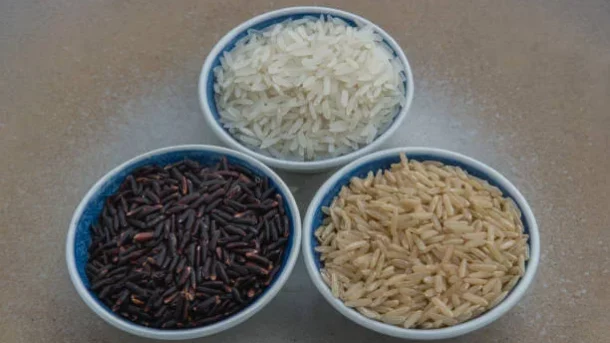
The “National Mission on Sustainable Agriculture” (NMSA), a government program, aims to encourage the production of fragrant aromatic rice varieties in India. The Department of Agriculture, Cooperation & Farmers Welfare, Ministry of Agriculture and Farmers Welfare, Government of India, is in charge of implementing the National Mission on Sustainable Agriculture.

Distribution of Seeds: The NMSA is in favor of providing farmers with high-quality seeds of aromatic rice types. In order to guarantee greater yields, better quality, and genetic integrity of aromatic rice crops, it stresses the use of certified and upgraded seeds.

Technical Assistance: The mission helps farmers grow aromatic rice varieties by offering advice and technical support. In order to promote optimal agricultural practices, water management, nutrition management, pest and disease control, and post-harvest management specifically for the cultivation of aromatic rice, this also involves training programs, demonstrations, and capacity building efforts.

Infrastructure Development: The NMSA is focused on creating the infrastructure required for the production of fragrant rice. To support the cultivation and post-harvest management of aromatic rice crops, this entails the establishment of irrigation systems, water management infrastructure, storage facilities, and other crucial infrastructure elements.

Market Linkages: The mission enables farmers who grow aromatic rice to connect with markets and gain access to markets. For aromatic rice varieties, it encourages value addition, market diversification, branding, and market intelligence, providing better market pricing and enhanced market opportunities for farmers.

What is the purpose of the National Mission on Agricultural Biosecurity (NMAB)?

Agricultural Biosecurity

The introduction and spread of pests, illnesses, and invasive species that pose dangers to agricultural crops, livestock, and the environment are prevented by agricultural biosecurity measures. They concentrate on monitoring, early identification, and efficient management techniques to stop and manage biosecurity concerns.

procedures to Control the Movement of Plants, Animals, and Agricultural Products Across Borders: These programs place a strong emphasis on the application of quarantine procedures and regulations. Quarantine procedures protect agricultural trade and output while preventing the spread of diseases and pests to new locations.

Agricultural biosecurity programs carry out risk assessments to pinpoint and weigh potential biosecurity threats to agriculture. To effectively minimize and manage these risks, they create risk management protocols and methods. This covers actions like monitoring for pests and diseases, surveillance networks, and emergency response systems.

Initiatives in agricultural biosecurity have a strong emphasis on capacity building and training programs to improve the expertise of those involved in agricultural production, extension services, regulatory bodies, and other pertinent organizations. Training initiatives seek to increase knowledge, strengthen surveillance capacities, and improve readiness and response for biosecurity threats.

Which government program focuses on promoting the cultivation of saffron in India?

cultivation of saffron

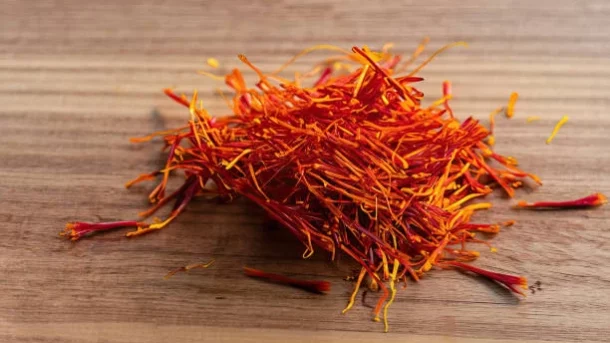
The “National Saffron Mission” (NSM) is a government initiative that seeks to encourage saffron farming in India. The Department of Agriculture, Cooperation & Farmers Welfare, Ministry of Agriculture and Farmers Welfare, Government of India, is responsible for carrying out the National cultivation of saffron Mission.

The National Saffron Mission’s primary goals typically consist of:

Saffron Cultivation Promotion: The NSM seeks to advance cultivation of saffron and raise saffron output in India. It encourages farmers to use saffron production strategies, such as saffron-specific pest control techniques, seed selection, irrigation management, and management of nutrient levels.

Technology Transfer and Training: The goal of the mission is to teach farmers the most effective methods for growing saffron through technology transfer and training initiatives. It offers saffron training.

The NSM places a strong emphasis on research and development operations to improve saffron production methods and address the difficulties saffron producers encounter. It aids in the production of enhanced saffron types with greater yields and improved resistance to pests and diseases, as well as research projects and breeding programs.

Development of Infrastructure: The mission encourages the creation of the infrastructure required to enable of saffron. To assist the cultivation, processing, and sale of saffron, this includes the development of irrigation systems, saffron processing facilities, drying and grading facilities, and other relevant infrastructure elements.