Soil

Which Soil is suitable for High Density Peach Planting?

Peach

The peach tree requires deep sandy loam soil rich in organic matter with good drainage. The pH level of the soil should be between 5.8 and 6.8. Acidic and saline soils are not suitable for Peach cultivation.

Select a sunny spot with deep, well-drained soil with a pH of around 6.5. Sandy loam or clay loam is best. Choose a site with well drained and moderately fertile soil. These trees won’t do well in areas where the soil is compacted or remains consistently wet. It is a good idea to have the soil tested before planting, and even annually after planting, to determine if it’s lacking in any essential minerals or nutrients.
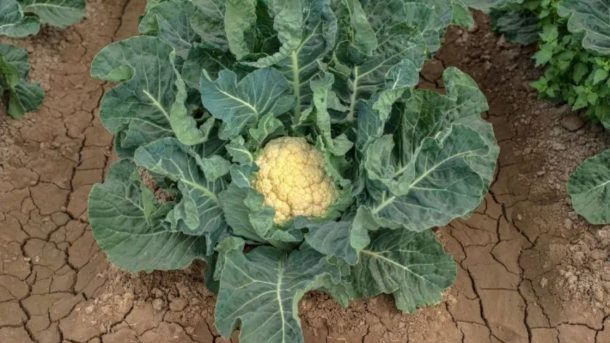
Which Soil is suitable for Cauliflower Farming?

Cauliflower

Cauliflower can be grown in wide varieties of soils provided they are rich in organic matter and holds sufficient and finally possess a good water drainage. Sandy loamy soils are recommended for early crops and for late crops, clay loams and loam soils are preferred. This vegetable thrives best in soils whose P.H. range is 6.0 to 7.0.It is better to go for soil testing g before cultivation. If the soil possess PH value below 5.5, liming @ 5 10 quintal/ha should be done for successful crop. Soils higher in PH value (> 7.0) decrease the availability of boron.

How Soil Preparation is done for Growing Tulsi Organically?

Tulsi

Sandy loam soil with good organic matter is considered ideal for the Tulsi plants. Fertile and well-aerated soil is ideal for the Tulsi plant. If you are planning to plant outdoors, make sure that the soil is well-dug. Though, mixing organic compost or cow dung is a good method to make the soil fertile and facilitate proper aeration. And, make sure that the soil and the compost are weed free.

Tulsi plant thrives well on a variety of soils. For Tulsi cultivation, rich loam to poor laterite, saline, and alkaline to moderately acidic soils are well suitable. Well-drained soil helps better vegetative grown. The waterlogged condition can cause root-rot and result in stunted plant growth. This plant can be grown under partially shaded conditions but with low oil contents. This plant flourishes well under fairly high rainfall and humid conditions. Tropical and subtropical climate (at altitudes up to 900m.) is suited for its cultivation.

How land preparation is done for growing Holy Basil?

land

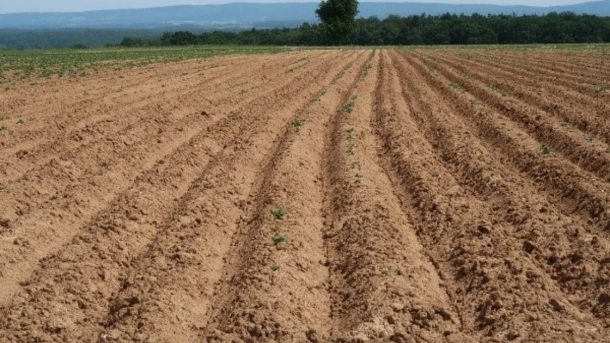
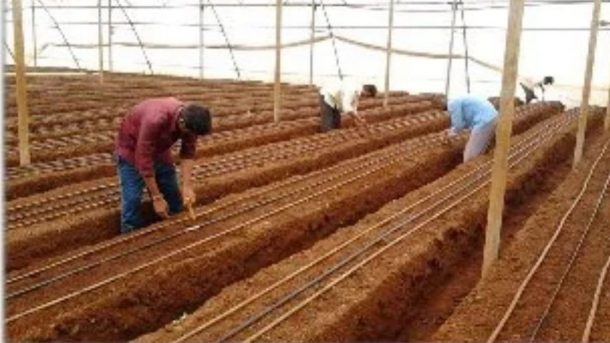
The main planting field should be prepared with drainage channels between rows. The soil should be given couple of ploughings and harrowings till it attains the fine tilth stage.  Level the field and mix well decomposed farm yard manure of 15 to 20 tons/ha (basal dose) like cow dung at the time of last plough. Once the fine seedbeds are prepared in the field, land will be ready for Tulsi transplantation.

How Soil Sterilization is done for Gerbera Flower Farming?

Gerbera

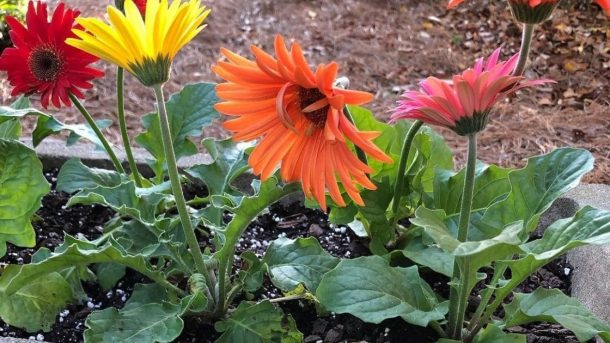
To save the crop from soil borne diseases, soil disinfection must be carried out well before gerbera cultivation. There are three main soil borne pathogens like Fusarium, Phytophthora and Pythium which would destroy the entire crop if the soil disinfection is not done. The prepared soil beds should be fumigated with Methyl Bromide (30 grams/square meter area) solution (or) 2% of formaldehyde (100 ml Formalin in 5 liter of water/square meter area) solution or Methyl Bromide (30 grams/square meter area) solution. Cover the fumigated beds with a plastic sheet for minimum period of 3 to 4 days. To drain out the chemicals from the beds, watering should be done.

Which soil is suitable for Organic Tamarind Production?

Tamarind

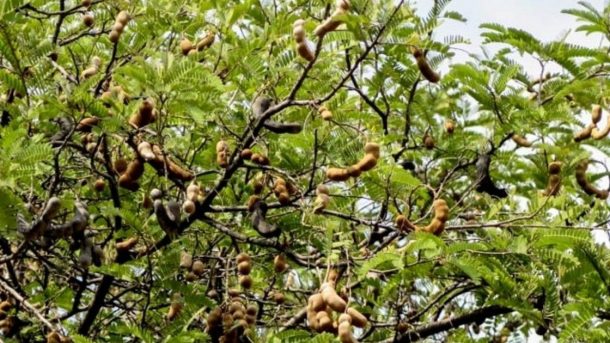
Tamarind tree grows in slightly acidic, well drained soils, and although it cannot withstand stagnant inundation. Tamarind trees can tolerate a wide range of physical site characteristics. It prefers wooded grassland and semi-arid areas, and can also be found growing along riverbanks and stream. Tamarind does not penetrate the rainforest. Its wide root system contributes to its resistance to wind and drought. Tamarind tree also bears saline air and fog in coastal districts, and even monsoon climates, where it has shown its value for plantations.