Soil

How land is prepared for Broccoli Farming?

Broccoli

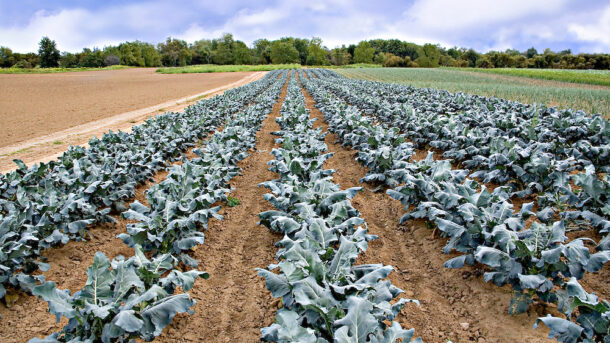
Land preparation for Broccoli farming :

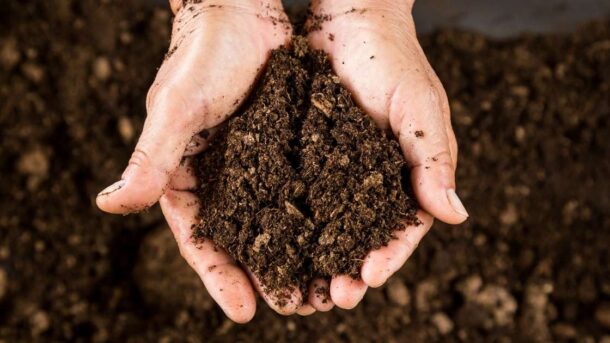
  • Soil preparation: The soil should be well-drained, rich in organic matter and with a pH of 6.0 to 7.0. To prepare the soil, it should be cleared of all weeds, rocks and debris, and plowed or rototilled to a depth of about 8 to 10 inches.
  • Fertilizer application: Add compost or well-rotted manure to the soil before planting. A balanced fertilizer mix, such as 10-10-10, can be added to the soil, but be sure to follow the recommended application rates on the label.
  • Irrigation setup: Irrigation systems, like sprinklers or drip irrigation, should be installed, especially in low rainfall areas for broccoli cultivation.
  • Soil test: It is important to get a soil test before planting to determine the nutrient levels in the soil and any necessary adjustments that need to be made.
  • Rows and spacing: Rows should be spaced about 3 feet apart with plants spaced about 18 to 24 inches apart within the row. This will allow enough space for the plants to grow and develop properly.
  • Mulching: A layer of mulch should be applied to the soil between the rows to conserve moisture, suppress weeds and regulate soil temperature.
  • Proper weeding: Weeds should be kept under control by removing them by hand or using a hoe. Regular weeding is important to prevent competition for light, water and nutrients.
Which crops needs alkaline soil?

There are several crops that prefer or can tolerate alkaline soil, which have a pH level above 7.0. Some examples include:

  1. Asparagus: Asparagus prefers soils with a pH between 6.5-7.5 and can tolerate soils up to pH 8.0.
  2. Broccoli: Broccoli prefers soils with a pH of 6.5-7.5.
  3. Cauliflower: Cauliflower prefers soils with a pH of 6.5-7.5
  4. Cabbage: Cabbage prefers soils with a pH of 6.5-7.5
  5. Melons: Melons prefer soils with a pH of 6.5-7.5
  6. Peanuts: Peanuts prefer soils with a pH of 6.5-7.5
  7. Sweet potatoes: Sweet potatoes prefer soils with a pH of 6.5-7.5
  8. Watermelon: Watermelon prefer soils with a pH of 6.5-7.5

It’s important to note that while these crops prefer or can tolerate alkaline soil, they still require proper care and management to grow and produce well. Additionally, these are general preferences, specific varieties of these crops may have different pH requirements and can adapt to different conditions.

How pH of soil affect tomato crop yield?

the soil

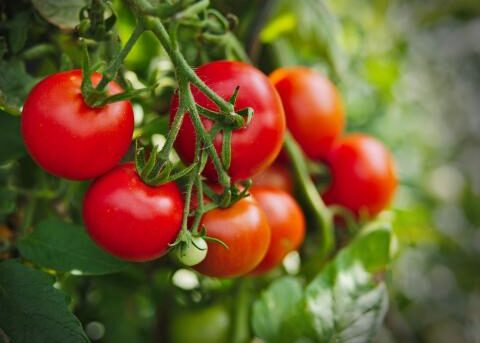
The pH of soil can affect tomato crop yield in several ways:

  1. Nutrient availability: Tomato plants require certain nutrients to grow and produce fruit, such as nitrogen, phosphorus, and potassium. These nutrients are more readily available in soils with a neutral pH of around 6.5-7.0. Soils with a pH outside of this range can limit the availability of these nutrients, reducing crop yield.
  2. Microorganism activity: Soil pH also affects the activity of microorganisms in the soil. These microorganisms play an important role in breaking down organic matter and releasing nutrients for plant uptake.
  3. Alkaline soil: Soils with a pH above 7.0 are considered alkaline, and can lead to nutrient deficiencies, particularly of iron, which is essential for tomato growth. This can cause the yellowing of leaves, stunted growth and reduced yield.
  4. Acidic soil: Soils with a pH below 6.5 are considered acidic, and can lead to reduced nutrient availability, particularly of calcium, which is essential for tomato growth. This can cause blossom-end rot, a disorder that results in the fruit developing a dark, leathery patch on the bottom.
  5. Pest and disease: Soil pH can also affect the susceptibility of tomato plants to pests and diseases. Some pathogens and pests thrive in acidic or alkaline soils, so it’s important to maintain the proper pH range to minimize their populations.

It is important to note that tomato plants can adapt to a range of pH levels, but the optimal pH for tomatoes is around 6.5-7.0, this will ensure the best yield and fruit quality. Additionally, soil pH can be easily adjusted by adding lime to raise the pH or sulfur to lower the pH.

How to prepare soil for cucumber farming?

cucumber

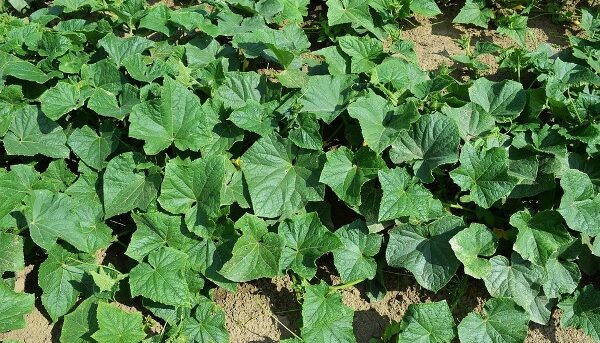
Preparing the soil for cucumber farming involves several steps:

  1. Soil testing: Conducting a soil test can help determine the pH level and nutrient content of the soil, which will inform what soil amendments may be necessary. Cucumbers prefer a slightly acidic soil with pH between 5.5 and 6.8.
  2. Soil amendment: Add organic matter such as compost or well-rotted manure to the soil to improve its structure and fertility. This will also help to improve water retention and drainage.
  3. Fertilization: Based on the soil test results, add the necessary nutrients and fertilizers to the soil. Cucumbers are heavy feeders, they require a lot of nitrogen and potassium.
  4. Drainage: Make sure the soil is well-drained and that there is no standing water in the field. Cucumbers are sensitive to waterlogging and can be easily damaged by excess water.
  5. Irrigation: Irrigation is important in cucumber farming. Cucumber plants need to be kept consistently moist, but not waterlogged. Drip irrigation is the best method for cucumber farming.
  6. Bed formation: Form raised beds of around 1-2 feet high and 3-4 feet wide. This will help with drainage and make it easier to control the weeds.
  7. Cover cropping: Consider planting a cover crop before planting cucumbers. Cover crops like rye or buckwheat can help to improve soil health and suppress weeds.
  8. Pest and disease management: Before planting, it is important to ensure that the soil is free of pests and disease. Use appropriate pest control methods and fumigate the soil if necessary.

It is important to remember that the specific needs of the soil can vary depending on the location, weather, and other environmental factors.

How to make soil more soft for root growth?

wheat

There are several ways to make soil more soft for root growth, including:

  1. Adding organic matter: Incorporating organic matter such as well-decomposed farm yard manure, compost, or vermi-compost can improve soil structure and water-holding capacity, making it easier for roots to penetrate.
  2. Loosening soil: Use a rake or cultivator to loosen the soil and break up any clumps. This will make it easier for roots to penetrate the soil and increase soil aeration.
  3. Improving drainage: Make sure the soil has good drainage to prevent waterlogging, which can make it difficult for root growth. If the soil is heavy clay or sandy, adding organic matter can help improve drainage.
  4. Adjusting pH: Adjust the pH of the soil to the optimal range for the plants you’re growing. Most plants prefer soil that is slightly acidic (pH 6.0-6.8), but some plants, such as blueberries, prefer more acidic soil (pH 4.5-5.5).
  5. Cover cropping: Planting cover crops such as clover, alfalfa, or rye can help to improve soil structure and fertility, and prevent erosion.
  6. Mulching: Mulching with organic materials such as straw, grass clippings, or leaves can help to keep soil moist, suppress weeds, and protect soil from erosion.

It’s important to note that the timing of these steps can vary depending on the region and climate, and that soil conditions also change over time so regular monitoring and maintenance is important.

How to prepare the soil for tomato crops?

the soil

Preparing soil for planting tomato crops typically involves several steps:

  1. Test soil: Have the soil tested for pH, fertility, and other factors to determine if any adjustments need to be made. Tomato plants thrive in slightly acidic soil with a pH between 6.0 and 6.8.
  2. Clear the field: Remove any debris or weeds from the field, as these can compete with the tomato plants for nutrients and water.
  3. Till the soil: Use a tiller or cultivator to turn over and break up any clumps. This will also help to bury any leftover debris or weeds.
  4. Apply organic matter: Incorporate organic matter such as well-decomposed farm yard manure, compost or vermicompost to improve soil fertility, structure and water-holding capacity.
  5. Apply fertilizer: Apply fertilizer according to the test results and the specific needs of the tomato crop. Tomatoes need a balanced amount of nitrogen, phosphorus, and potassium for optimal growth.
  6. Irrigation: Tomato plants need a consistent supply of water, but too much water can lead to disease, so proper drainage is important.

It’s also important to note that the timing of these steps can vary depending on the region and climate. In some areas, it may be necessary to perform these steps several weeks or months before planting, while in others they can be done just before planting.

How to prepare the soil for wheat crops in India?

wheat

Preparing soil for planting wheat in India typically involves several steps:

  1. Test soil: Have the soil tested for pH, fertility, and other factors to determine if any adjustments need to be made.
  2. Clear the field: Remove any debris or weeds from the field, as these can compete with the wheat for nutrients and water.
  3. Plough and harrow: Use a plough or cultivator to turn over the soil and break up any clumps. This will also help to bury any leftover debris or weeds.
  4. Apply organic matter: Incorporate organic matter such as well-decomposed farm yard manure, compost or vermicompost to improve soil fertility, structure and water-holding capacity.
  5. Apply fertilizer: Apply fertilizer according to the soil test results and the specific needs of the wheat crop.
  6. Irrigation: Wheat needs to be planted in well-drained soil. Irrigation should be done in such a way that the soil is moist but not waterlogged.

It’s also important to note that the timing of these steps can vary depending on the region and climate. In some areas, it may be necessary to perform these steps several weeks or months before planting, while in others they can be done just before planting.

How site selection is done for Shade house?

Shade house

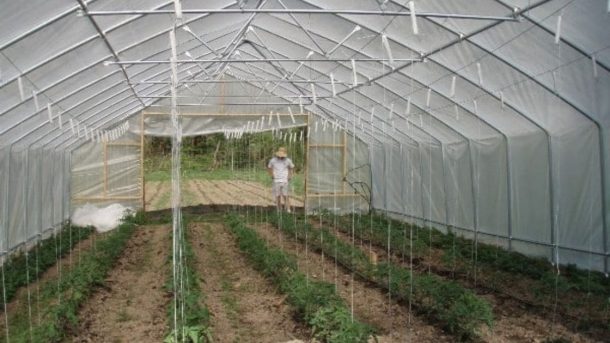
A shade house should be located in such a way that it is well connected with market for input supplies and sale of its produces. This structure should be constructed away from buildings and trees, so also away from industrial or vehicular pollutants. The site should be free from drainage problem. There should be provision of electricity and good quality water. However, wind breakers may be located 30m away from the structure.

What is the Climate and soil requirements for increasing fruit yield in passion?

passion

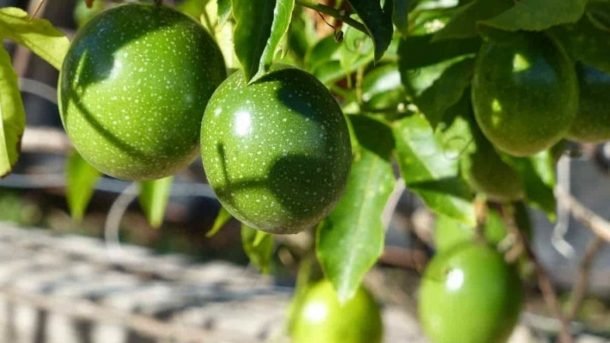
Yellow passion fruits are suitable for tropical regions, while purple passion fruits require sub tropical conditions. It grows to an altitude of 2100 meters and the rainfall is 1000 to 250 meters. The ideal temperature is 20 °C to 30°C to get the best yield. The cool temperatures in purple passion fruits are conducive to the onset of flowering and fruit set and the high temperature and quality required to promote juice production.

How Site selection is done for passion fruit growth?

growth

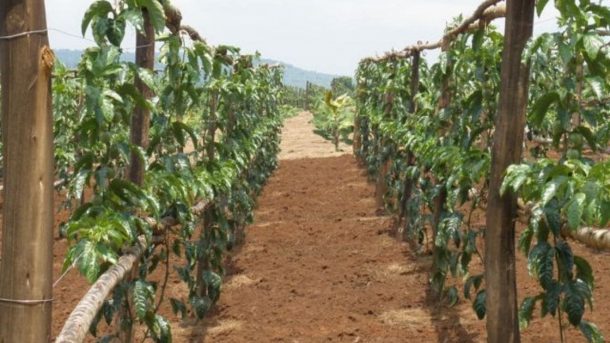
Passion fruit vines will grow quite long and may need help for the best results. The ideal place for growing vines is loose, fertile soil with at least 8 hours of sunlight per day. This soil should have a lot of organic matter for good drainage and strong root growth. A southern exposure or dappled shade is preferred, but the vines will withstand the full sun if protected from the wind. However, growing passion fruit vines in hot areas should be avoided as it can damage them.