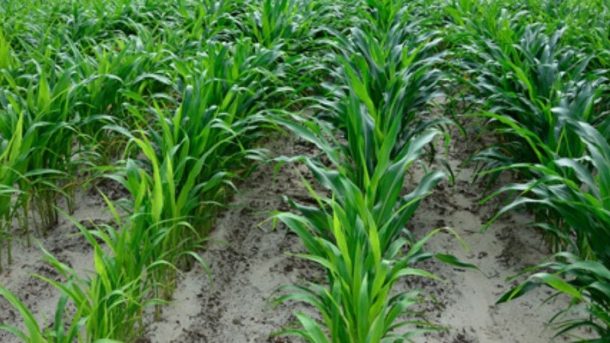
Sorghum is grown on low potential, shallow soils with high clay content, which usually are not suitable for the production of maize. Sorghum grows poorly on sandy soils, except where a heavily textured sub soil is present. Sorghum is more tolerant of alkaline salts than other grain crops and can be successfully cultivated on soil with a pH level between 5.5 to 8.5. It can tolerate short periods of water logging compared with maize. Soils with a clay percentage of between 10 % and 30% are optimal for sorghum farming.
Soil
How soil preparation is done for organic sorghum farming?
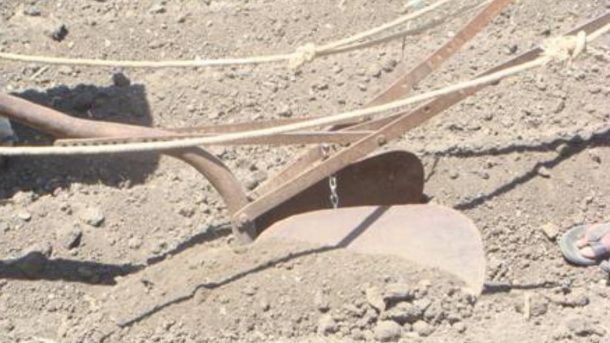
The various soil types namely vertisols, entisols, inceptisols or alfisols are suitable for growing sorghum. Vertisols with better cation exchange capacity, higher nutrient status and water retention support the good crop. The crop is grown successfully on soil with pH ranging from 5.5 to 8.5. It tolerates salinity and alkalinity. Under good climatic conditions, Sorghum does best on deep fertile soils. It is adapted to poor soils and can grow well on soil where many other crops would fail.
Soil fertility is a crucial factor in the success of Sorghum yield. Factoring in the soils crop history, what was planted in the previous year, is crucial, especially if the previous crop was a legume like alfalfa or soybeans. Knowing the manure application history can also help you understand your soils fertility. Soil nutrient testing is critical in determining the number of nutrients to add by fertilizing. Soil testing starts with proper soil sampling. If the precision application of fertilizer is an option, consider grid sampling. Once soil test results are available, it is important to understand how to interpret the results to best help in maintaining good soil health.
What are the conditions required for Almond seed germination?
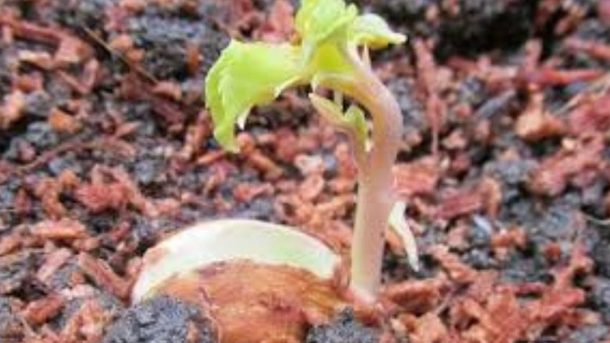
Almond trees thrive in a climate that has mild, wet winters and hot, dry summers. Almond trees grow best on deep loam soil consisting of clay, sand, humus or other organic material. This soil allows for optimal permeability, water retention and root zone aeration. When preparing to plant a new Almond orchard, growers cultivate the soil to loosen clods and grade the orchard. It is common practice to use a chisel attachment to dig deep down and break up any hardpan below the surface of the soil to help newly planted trees establish a deep root system.
Temperature is a major factor affecting the germination rate. The temperature range between 2 °C and 7°C is generally the most efficient. Seeds from Almond and other Rosaceae species need a cold treatment under humid conditions to overcome the dormancy and promote their germination.
What are the causes of Soil degradation?
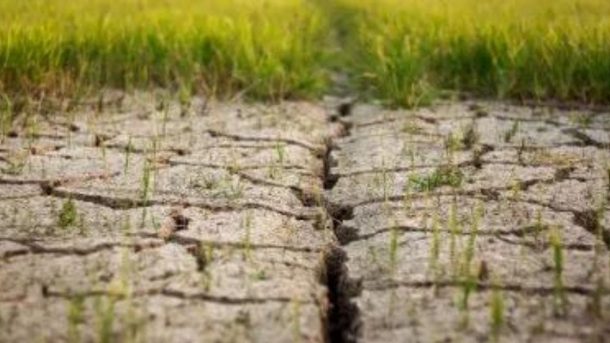
The degradation of soil may be caused by the below factors:
Physical factors such as loss of fertile topsoil due to water or wind erosion.
Chemical factors such as the depletion of nutrients or the toxicity due to acidity or alkalinity or waterlogging.
Biological factors affect the micro flora and reduce the microbial activity of the soil. These biological factors reduce the yield.
How organic soil preparation is done for Cocoa production?
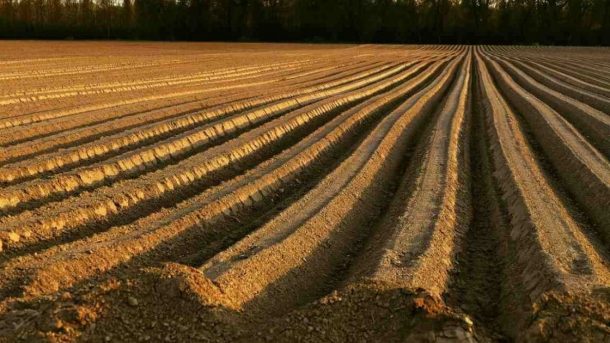
The soil for Cocoa plantations must be well drained, deep and have sufficient water absorbent capacity. The pH value of the soil should be between 4.0 to 7.5, whereby care must be taken that sufficient organic material is available. Cocoa can be grown in coconut and areca nut garden as a mixed crop. It can also be planted in forest lands.
Cocoa is a crop of humid tropics needing well distributed rainfall. At least 90 to 100 mm rainfall per month with annual precipitation of 1500 to 2000 mm is ideal. Though, it can be grown in other regions by supplementing rainfall with irrigation in dry periods, though for successful cultivation, the dry months must not exceed 3 to 4 months, Cocoa tolerates a minimum temperature of 15°C and a maximum of 40°C, but a temperature around 25°C is considered as best. Cocoa can be grown in place from sea level up to an elevation.
How Climate change influences soil quality?
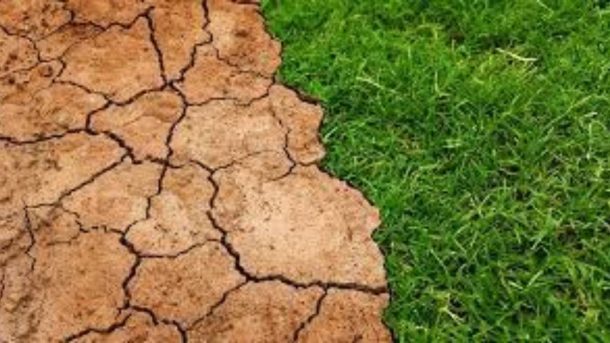
Warmer air and soil temperatures increase soil microbial action that speeds up the natural breakdown of organic matter. Organic matter is a very important component of soil that is a natural plant fertilizer. The climate varies might impact the fertility of soil by breaking down organic matter faster than the crops can use the available nutrients. However, a longer growing season with more vegetative mass produced could offset the increased breakdown of organic matter. The drought conditions and extreme weather events predicted are expected to raise the risk of soil erosion. Greater precipitation through rainfall events and an increased likelihood of flooding and heavy rains during the growing season will be some risks for soil erosion. It can be necessary to take steps to ensure adequate ground cover at key periods throughout the growing season. Ministry of Agriculture, Forestry and Rural Development (MAFRD) currently recommends that 60% of the soil surface be covered with crop residue to prevent erosion.
What is Minimum mechanical soil disturbance?
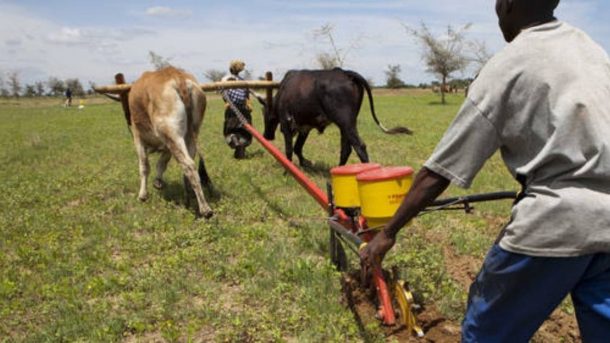
Generally, soil biological activities are supposed to produce stable soil aggregates as well as variant sizes of pores which allows proper aeration and infiltration of water. With mechanical soil disturbance by tillage or cultivation practices, the biological soil structuring processes fade away. Minimum soil disturbances are responsible for maintaining the optimum composition of respiration gases, appropriate porosity for soil water movement, and germination of weed seeds. The minimum mechanical soil disturbances indicate permanent low soil disturbance, no tillage, and then involves no till direct seeding along with no till weeding.
Which is the best soil for Aloe Vera plants?
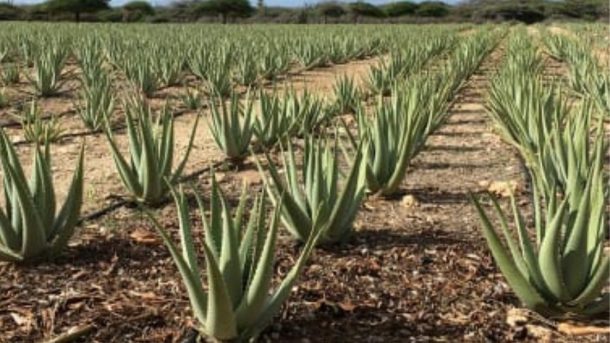
Aloe Vera grows best on loamy, light, coastal sandy and black cotton soil. It needs soil with a pH of 7 to 8.5. Since it is a succulent plant, it can grow in dry conditions as well.
Can you grow Aloe Vera from seed?
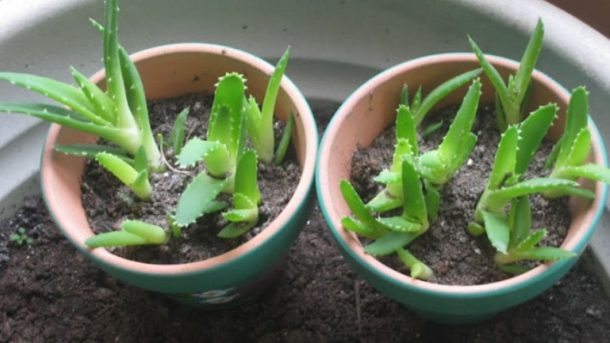
Yes, Aloe Vera can be grown from seeds for your garden, but on a commercial level, this method is not advisable because Aloe Vera seeds are produced only when the plants flower and it takes more than four or five years to produce reliable seeds. For the garden, peat and sand mixed with the soil make a well drained medium for sowing the seeds. The soil should be lightly dampened before spreading the seeds with 1 inch spacing. Plastic sheets can be covered over the pots to maintain humidity and facilitate germination.
What kind of soil is best for growing vegetables in containers?
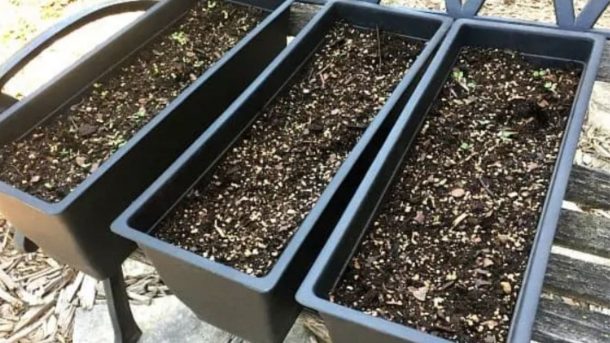
The soil that is best suited for container gardening is the done that drains well, is properly aerated and maintains a neutral pH. Potting mixture along with the soil offers all the above featured necessary for container gardening. The potting mixture contains organic matter such as part moss, compost, bark ships etc to provide nutrients to the soil. If the mixture is supplied with vermiculite or perlite, then it aerates the soil and helps retain moisture for a longer duration of time. Soil mixtures without the vermiculite can be used exclusively for growing herbs. Another advantage of potting mixture is that they are free of weeds, seeds, pests and diseases because they are heated when they are processed.