soil organisms

What are the challenges and benefits of adopting climate-smart agriculture practices?

climate-smart agriculture

Adopting climate-smart agricultural techniques has advantages and disadvantages. The following are some of the main drawbacks and advantages of adopting climate-smart agriculture:

Challenges:

Knowledge and Awareness: Making sure farmers have access to the information they need regarding climate-smart practices is one problem. Understanding the effects of climate change, effective adaptation measures, and the potential advantages of implementing climate-smart agriculture are all included in this.

Financial Resources: Putting climate-smart strategies into effect frequently necessitates investments in new infrastructure, technologies, or training. For farmers, especially small-scale farmers, a lack of financial resources can be a major obstacle to implementing climate-smart agriculture.

Technical Capacity: Using climate-smart activities may call for learning new abilities, using new tools, and having new technical knowledge. It can be difficult to give farmers the instruction and support they need to improve their technical proficiency, particularly in areas with few extension services or sources of agricultural advances.

For farmers to successfully apply climate-smart practices, they require access to quality seeds, fertilizer, water supplies, and other inputs. Particularly in isolated or underdeveloped locations, a lack of access to these resources can impede the implementation of climate-smart agriculture.

Benefits:

Climate Resilience: Climate-smart agriculture makes farming systems more resistant to the effects of climate change. It consists of steps to adapt to shifting climatic conditions as well as activities that reduce greenhouse gas emissions. Farmers can overcome climate-related hazards and keep up agricultural productivity thanks to their resilience.

Productivity Gains: Climate-smart farming techniques frequently boost agricultural output. Conservation agriculture, agroforestry, and precision farming are examples of practices that maximize resource usage, boost soil health, and improve water management. These methods help to increase crop yields, crop quality, and farm income.
How does integrated pest management (IPM) reduce the reliance on pesticides?

integrated pest management

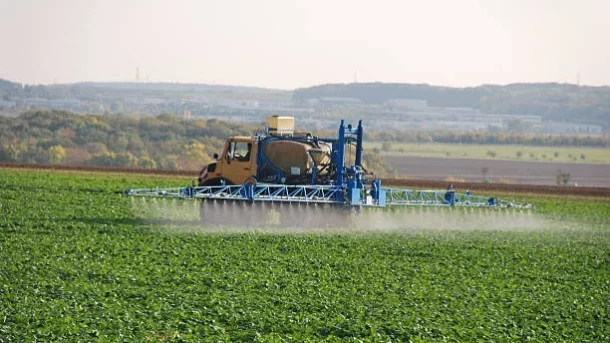
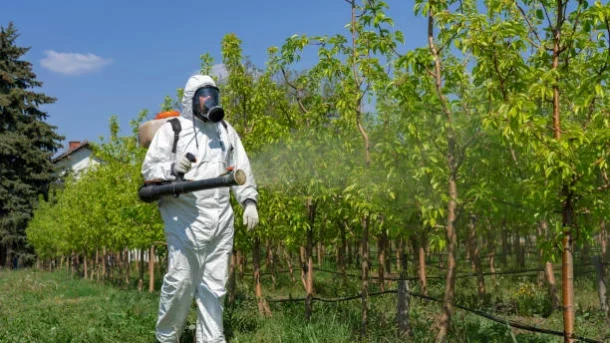
integrated pest management is a method to pest control that places an emphasis on using a variety of tactics to reduce pest populations while reducing the usage of pesticides. IPM lessens the need for pesticides in the following ways:

Monitoring and Thresholds: To gauge pest populations and crop damage levels, integrated pest management starts with routine monitoring and scouting. Farmers decide when pest numbers reach a point where action is necessary by setting action thresholds. By ensuring that pesticides are only applied when necessary, this minimizes the usage of unneeded chemical agents.

IPM places a strong emphasis on the adoption of cultural techniques that reduce the pest-friendly qualities of the agricultural environment. Crop rotation, the use of resistant cultivars, altering planting dates, maximizing irrigation and fertilization, and enhancing soil health are some of these techniques. Crop health is improved by removing situations that encourage pests.

The use of biological management techniques, which entail employing pests’ natural enemies to control their populations, is encouraged by IPM. This includes dispersing or preserving pest-eating nematodes, predatory mites, parasitic wasps, beneficial insects, and beneficial insects. Biological control lowers insect populations without the use of chemical pesticides by utilizing the ecosystem’s inherent regulatory processes.

Controls that are mechanical and physical: IPM uses a number of mechanical and physical techniques to manage pests. These techniques include hand-picking pests, setting up barriers, using traps, mechanical cultivation or mowing, and heat treatments. Pests can be physically eliminated or discouraged, which will lessen the need for chemical management by lowering their number.

What are the advantages of using biological pest control methods?

biological pest control

Biological pest control techniques have a number of benefits over traditional chemical-based pest control strategies. The following are some major benefits of biological pest control:

Environmental safety: Biological pest management techniques are safe for the environment with little risk to non-target species, beneficial organisms, and ecosystems. Biological control methods are unique to the target pest and have minimal effects on non-target organisms, in contrast to chemical pesticides, which can have negative environmental effects.

Biological pest management lessens the need for synthetic pesticides, reducing the amount of chemicals used in agriculture. By doing this, the likelihood of pesticide residues in food, soil, water, and crops is reduced. It supports organic farming methods and works to preserve a more wholesome and natural agricultural ecosystem.

Pest control that is specifically targeted: Biological control agents are frequently quite specific to individual pests or pest groupings. Beneficial insects, pollinators, and other non-target organisms are not damaged whereas pest species are the only ones they target. This targeted precision lowers the possibility of upsetting the ecosystems’ natural balance and promotes biodiversity.

Biological pest control techniques provide long-term solutions for pest management. Contrary to chemical pesticides, which can cause pests to develop pesticide resistance over time, biological control agents frequently contain a variety of modes of action that make it less probable for pests to do the same. Long-term, this offers viable and efficient pest control methods.

What are the benefits of using robots in agriculture?

robots in agriculture

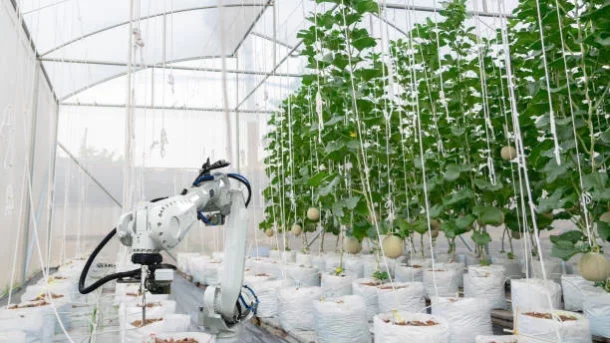
Numerous advantages that can change farming methods and solve some of the problems facing the sector are provided by the employment of robots in agriculture. The following are a few major advantages of using robots in agriculture:

Robotics can automate repetitive and labor-intensive operations, lowering the need for manual labor and increasing labor productivity. They can efficiently and precisely carry out tasks including planting, harvesting, pruning, weeding, and spraying. Robots can boost production, lower labor costs, and solve labor shortages in agriculture by supplementing or replacing human labor.

Increased Precision and Accuracy: Tasks may be carried out by robots with a great degree of precision and accuracy thanks to their superior sensors, cameras, and AI algorithms. They can apply fertilizers, pesticides, or herbicides precisely where they are needed, reducing waste and harm to the environment.

Robotic workers are more productive because they can work continuously without taking breaks or resting, in contrast to human employees. They are able to operate in bad weather or off-peak hours, guaranteeing prompt assignment completion. This is especially helpful when performing time-sensitive tasks like planting or harvesting.

Robots with sensors and imaging systems can gather a huge quantity of information on crops, soil conditions, and weather-related variables. To get insights into crop health, growth trends, insect infestations, nutrient deficits, or disease outbreaks, this data can be examined using AI algorithms. Using data-driven decision-making, farmers may carry out focused interventions, allocate resources more effectively, and manage their farms more effectively overall.

What is the role of artificial intelligence (AI) in agriculture?

artificial intelligence (AI)

A variety of facets of agriculture have been transformed and improved thanks in large part to artificial intelligence (AI). It provides creative ideas to raise farming methods’ productivity, sustainability, and effectiveness. Following are some of the main uses of AI in agriculture:

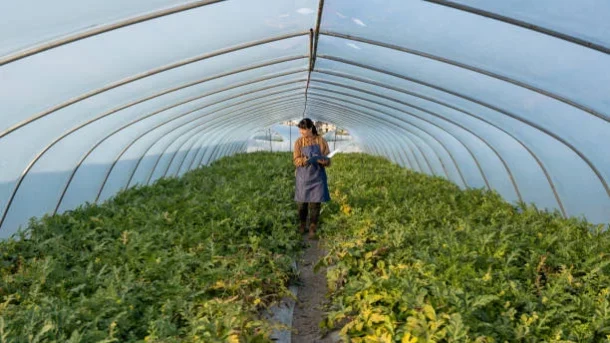
Crop Monitoring and Management: Real-time crop monitoring is made possible by artificial intelligence (AI) technologies working in conjunction with sensors and image systems. AI algorithms may assess crop health, spot infections, spot nutrient deficits, and optimize irrigation and fertilizer use using data from remote sensing, drones, or on-field sensors. This makes it possible to make precise and focused treatments, which lowers input waste and boosts agricultural yields.

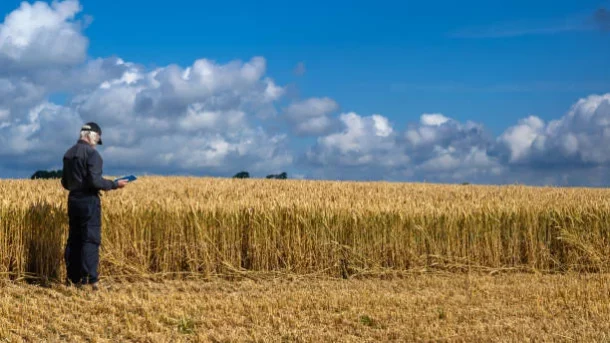
Crop Yield Forecasting and Prediction: AI models may provide predictions about crop yields based on historical and current data, such as weather patterns, soil conditions, and crop traits. AI algorithms can produce precise yield estimates by combining data from numerous sources, assisting farmers in making decisions about market planning, resource allocation, and risk management.

Weed & Pest Management: AI-powered systems are able to recognize and distinguish between crops and weeds, enabling more precise weed control methods. In order to identify certain weed species and make recommendations for the application of a particular herbicide, machine learning algorithms can evaluate photos. AI can also help with pest identification and prediction, enabling early intervention and lowering the need for pesticides.

What are the key factors affecting crop growth and development?

development

Crop development and growth are influenced by several important elements. Depending on the particular crop, the surrounding environment, and management techniques, these variables can change. Here are a few of the most important elements:

Light: Photosynthesis, the process by which plants transform light energy into chemical energy to support their growth, depends on light. Numerous elements of plant growth, including the formation of leaves, flowering, and fruiting, are influenced by the kind, intensity, and duration of light. varying crops have varying needs for light, and too little or too much light might impede their growth.

Temperature: Temperature has an impact on how quickly biochemical processes occur in plants, which in turn impacts their growth and development. Each type of crop has a particular temperature range in which it can grow. Germination, flowering, pollination, fruit set, and ripening are all impacted by temperature. 

Water availability: For crops to thrive, there must be enough water available. Water is necessary for photosynthesis, nutritional absorption, and nutrient transfer inside of plants. Drought stress, often known as insufficient water, can cause diminished growth, wilting, and even crop loss. On the other hand, excessive moisture or poor drainage can result in waterlogging, which harms roots and robs them of oxygen.

Fertility of the soil and nutrients: For proper growth and development, plants need a variety of nutrients. These include micronutrients like iron (Fe), zinc (Zn), and manganese (Mn), as well as macronutrients like nitrogen (N), phosphorus (P), and potassium (K). Crop growth is directly impacted by the availability and balance of these nutrients in the soil. To achieve the nutrient requirements, proper soil fertility management is necessary, including the use of fertilizers or organic amendments.

How does weather data assist in crop management decisions?

crop

Decisions on crop management are greatly influenced by weather information since it offers useful knowledge that enables farmers to maximize their agricultural methods. Here are a few ways that weather information might help in crop management:

Making planting decisions: Farmers can choose the best time to sow their crops by using weather information. Farmers can choose the best planting window by using the data on average frost dates, soil temperature, and moisture levels that is provided. For instance, certain crops need a certain range of temperatures to germinate and develop.

Irrigation management: The use of weather information by farmers to plan their irrigation systems. Farmers can modify their irrigation operations by studying variables including precipitation, evapotranspiration rates, and soil moisture levels. They can prevent over- or under-watering, saving water resources and avoiding crop damage.

Management of pests and diseases: The occurrence and spread of pests and diseases in crops are influenced by the weather. Farmers can predict and keep tabs on the occurrence of specific pests and illnesses by monitoring meteorological data. For instance, specific humidity and temperature ranges are ideal for certain insects. Farmers who are aware of these circumstances can take prompt preventive action, such as using the proper pesticides or implementing integrated pest control techniques.

Application of fertilizer: Weather information offers insights into the availability of soil nutrients and losses caused by variables like rainfall or temperature, which help to optimize fertilizer application. For instance, prolonged rain can wash away nutrients from the soil, requiring the administration of extra fertilizer. Farmers can adapt their fertilizer management programs to the needs of the crop by fusing weather data with soil tests.

 What are the potential benefits and concerns associated with GMOs?

GMOs

Different viewpoints on genetically modified organisms (GMOs) have emerged as a result of both their potential advantages and related problems. An outline of the key arguments is provided below:

Possible advantages of GMOs:

Crop productivity can be increased by genetically modifying organisms (GMOs) to have features like resistance to pests, diseases, or environmental challenges. This may alleviate concerns about food security by increasing yields and improving food production.

Resistance to pests and diseases: Genes that provide resistance to pests or diseases can be included into GMOs. In addition to promoting sustainable pest management and reducing the need for chemical pesticides, this may also result in cheaper production costs for farmers.

Herbicide tolerance: Some GMOs are designed to withstand a particular class of herbicides, enabling farmers to control weeds more successfully and with less harm to the environment. This can help with improved resource use efficiency, less soil erosion, and effective weed management.

Added nutritional value: Crops can be enriched with particular nutrients, including vitamins or minerals, using genetic engineering. This could help vulnerable communities that are deficient in certain nutrients, improve consumer health, and increase the nutritional content of staple foods.

How does organic farming minimize the use of synthetic inputs?

synthetic inputs

By employing certain techniques and guiding principles that give natural and organic alternatives priority, organic farming reduces the usage of synthetic inputs. The following is how organic farming does this:

Natural pest and disease management: Rather than relying on synthetic chemical pesticides, organic farmers put their attention on naturally preventing and controlling pests and illnesses. Crop rotation, intercropping, biological management (using helpful insects or predators), physical barriers, and the choice of pest-resistant varieties are a few examples of these techniques. Organic farmers are able to effectively control pests and diseases without the use of synthetic chemicals by fostering biodiversity and implementing these integrated pest management (IPM) techniques.

Management of soil fertility: Organic farmers use natural sources of nutrients to feed the soil rather than manufactured fertilizers. They use organic matter like compost, manure, or green manure, as well as techniques like crop rotation and cover crops. These organic inputs replace the nutrients in the soil, increase the amount of organic matter in the soil, strengthen soil structure, and promote the growth of beneficial soil microbes. This method decreases the requirement for synthetic fertilizers while promoting long-term soil fertility.

Weed control: Organic farmers use a variety of techniques rather than synthetic chemicals to control weeds. These strategies include cover crops, mechanical weed management (such as hand weeding, hoeing, or mulching), and precise cultivation methods. 

Genetic diversity and crop choice: The utilization of various crop rotations and the choice of plant types that are innately adapted to local conditions and have built-in resistance to pests and diseases are key components of organic farming. Organic farmers lessen their reliance on synthetic inputs by fostering genetic diversity, which also helps them grow resilient crops that are more resistant to pests and illnesses.

 How does regenerative agriculture promote soil health and biodiversity?

soil health and biodiversity

Regenerative agriculture is a method of farming that emphasizes improving ecosystem processes, such as soil health and biodiversity, and restoring them. It entails techniques that enhance soil organic matter, enhance soil structure, and support a variety of plant and animal life in harmony with natural systems. Here are some ways that regenerative agriculture encourages soil health and biodiversity:

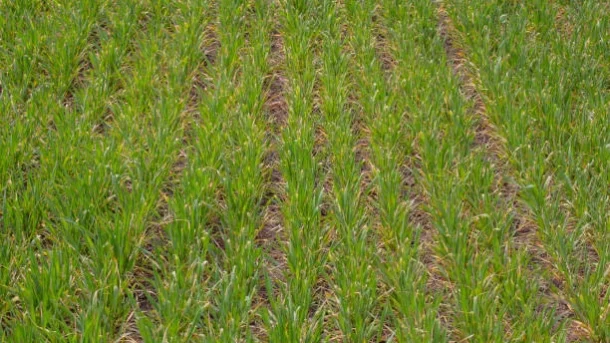
Regenerative agriculture approaches place an emphasis on the use of cover crops, crop rotation, and little soil disturbance (such as no-till or reduced tillage). These techniques help to increase soil organic matter and carbon sequestration. By increasing the amount of plant leftovers that are introduced into the soil, these techniques improve soil organic matter buildup. Improved soil structure, water-holding capacity, nutrient retention, and microbial activity are all benefits of soil organic matter. A further benefit of increasing soil organic matter is the storage of carbon.

Cycling of nutrients and the soil microbiology are both supported by regenerative agriculture. A consistent source of organic matter and root exudates is provided through the use of cover crops and varied crop rotations, which in turn feed beneficial soil microbes. As a result of microbes decomposing organic materials and increasing the availability of nutrients to plants, this improves nutrient cycling. Improved soil fertility, disease prevention, and overall ecosystem resilience are all benefits of healthy soil microbiomes.

The maintenance of hedgerows, buffer strips, or diversified field edges, among other regenerative agricultural methods, creates homes for beneficial insects, pollinators, birds, and other species. These environments promote biodiversity and aid in environmental balance, pollination, and natural pest management. Agroecosystems that are more resilient and well-balanced are made possible by promoting natural biodiversity.