A variety of facets of agriculture have been transformed and improved thanks in large part to artificial intelligence (AI). It provides creative ideas to raise farming methods’ productivity, sustainability, and effectiveness. Following are some of the main uses of AI in agriculture:
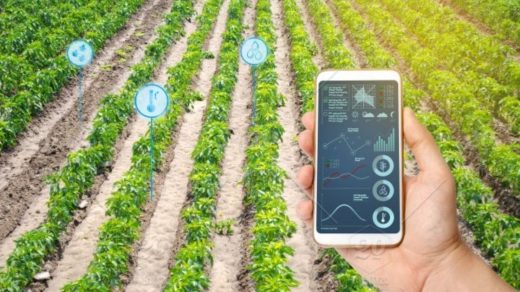
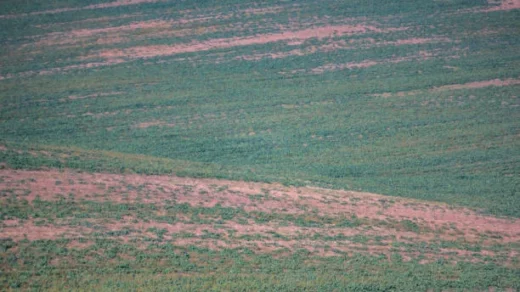
Crop Monitoring and Management: Real-time crop monitoring is made possible by artificial intelligence (AI) technologies working in conjunction with sensors and image systems. AI algorithms may assess crop health, spot infections, spot nutrient deficits, and optimize irrigation and fertilizer use using data from remote sensing, drones, or on-field sensors. This makes it possible to make precise and focused treatments, which lowers input waste and boosts agricultural yields.
Crop Yield Forecasting and Prediction: AI models may provide predictions about crop yields based on historical and current data, such as weather patterns, soil conditions, and crop traits. AI algorithms can produce precise yield estimates by combining data from numerous sources, assisting farmers in making decisions about market planning, resource allocation, and risk management.
Weed & Pest Management: AI-powered systems are able to recognize and distinguish between crops and weeds, enabling more precise weed control methods. In order to identify certain weed species and make recommendations for the application of a particular herbicide, machine learning algorithms can evaluate photos. AI can also help with pest identification and prediction, enabling early intervention and lowering the need for pesticides.