soil organisms

What is the role of certification schemes in promoting sustainable agricultural practices?

certification

By establishing defined norms and criteria for farming that is both environmentally and socially responsible, certification programs play a crucial role in encouraging sustainable agricultural practices. These initiatives are optional programs in which farmers, producers, and agribusinesses can show their dedication to sustainable practices by choosing to join. The following are some of the main ways certification programs support agricultural sustainability:

Setting Standards and Criteria: Certification programs create precise, quantifiable standards for environmentally friendly agriculture methods. These guidelines address a range of topics, including fair labor practices, soil health, water management, biodiversity conservation, and the appropriate use of agrochemicals.

Verification and Compliance: To ensure that farms and producers adhere to the defined sustainability requirements, certification bodies carry out on-site inspections and audits. To obtain and keep certification, adherence to the requirements is necessary.

Customer Trust and Transparency: By making information regarding agricultural production practices transparent, certification programs aid in fostering customer trust. Consumers can make educated decisions by looking for certified items, which include labels or badges that imply conformity with sustainable criteria.

Market Access and Premium Pricing: Certifications programs can provide access to niche and global markets where there is a rising need for sustainable products. Prices for certified goods are frequently higher, giving producers financial incentives to use sustainable techniques.
What are the challenges in achieving sustainable agricultural intensification?

intensification

To achieve sustainable agricultural intensification, agricultural productivity must be raised while adverse environmental and social effects are reduced. Although the idea has many advantages, there are a number of obstacles that need to be overcome before it can be successfully implemented. Among the principal difficulties are:

Environmental Degradation: Unsustainable intensification techniques include excessive pesticide, water, and monoculture use can result in soil erosion, water pollution, and biodiversity loss.

Climate Change: Sustainable intensification faces considerable obstacles from climate change. Agronomic systems can be disrupted and productivity decreased by erratic weather patterns, extreme weather events like droughts and floods, and rising temperatures.

Water scarcity is a major barrier to the expansion of agriculture in many areas. Increased water demands may result in excessive groundwater extraction and resource depletion, which could harm ecosystems and rural populations.

Ecosystem services that are crucial for agriculture, such as pollination and pest control, may be reduced as a result of intensification methods that threaten natural ecosystems.

Social and Equity Issues: Smallholder farmers may not receive an equitable share of the advantages of intensifications, which could result in social inequities and marginalization.

Market Access and Prices: As production rises as a result of intensification, farmers may experience price swings and difficulties accessing the market.

How does the availability of irrigation infrastructure impact agricultural productivity?

infrastructure

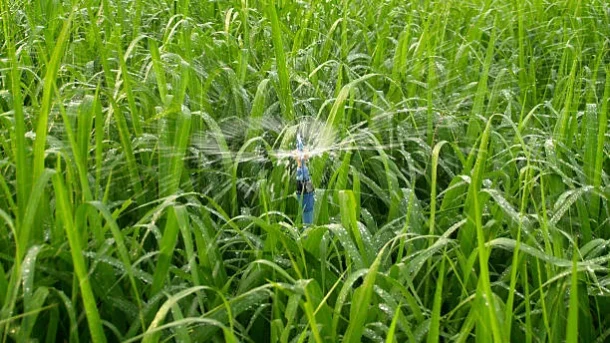
Especially in areas with irregular or insufficient rainfall, the presence of irrigation infrastructure can have a substantial impact on agricultural productivity. For a reliable and sufficient water supply to promote plant growth, irrigation entails the artificial application of water to crops. The following are some ways that irrigation infrastructure accessibility affects agricultural productivity:

Irrigation provides crops with a steady and dependable water supply, regardless of the natural patterns of rainfall. This enables farmers to keep the soil at the ideal level of moisture, ensuring that crops have access to water when they require it. This can increase yields and lessen crop losses as a result of drought.

Farmers can extend the growing seasons with irrigation beyond the restrictions imposed by natural rainfall. This increases total agricultural output by enabling numerous cropping cycles or the cultivation of crops that need longer growing seasons.

Crop Diversification: Irrigation makes it possible to grow a variety of crops, even ones that are incompatible with agriculture reliant on rain. By lowering reliance on a small number of rain-fed crops, this encourages crop variety and improves food security.

Increased Crop Yields: Proper irrigation ensures that crops receive the nutrients they need for optimum growth. This may result in increased agricultural yields and better crop quality.

What are the potential impacts of artificial intelligence on the agricultural market?

artificial intelligence

By bringing novel solutions that enhance production, efficiency, and sustainability, artificial intelligence (AI) has the potential to completely transform the agricultural sector. A few possible effects of AI on the agriculture market are listed below:

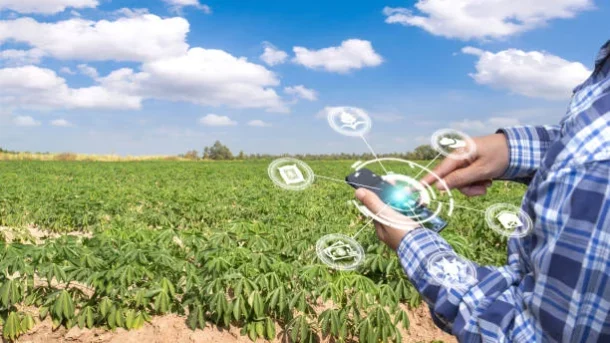
Precision farming uses AI-powered tools to offer real-time information on crop health, soil conditions, and weather patterns. These tools include drones, satellite photography, and remote sensing. With the help of this information, farmers can utilize precision farming techniques to boost crop yields and optimize resource consumption, such as the targeted application of pesticides and fertilizers.

Crop Management: AI algorithms can evaluate massive volumes of data from sensors and IoT devices to track crop growth, identify diseases, and anticipate pest infestations. Crop losses can be avoided, and total farm output can be raised, with the help of early identification and management.

Automated equipment and robotics: AI can facilitate the creation of self-driving equipment and robots that can do a variety of agricultural jobs, such as planting, harvesting, and weeding. Automation can save labor expenses and help with the agricultural labor crisis.

Climate Prediction and Adaptation: In order to make more precise predictions of climate trends, Artificial Intelligence can examine historical weather data and climate models. With the aid of this knowledge, farmers can modify their methods in response to varying weather patterns and lessen the negative effects of climate change on agriculture.

How does the adoption of precision agriculture technologies affect farm profitability?

precision agriculture

By enhancing productivity, lowering input costs, maximizing resource utilization, and raising yields, the adoption of precision agriculture technologies can have a substantial beneficial influence on farm profitability. Using cutting-edge technology, data analytics, and real-time monitoring, precision agriculture enables knowledgeable and site-specific decisions to be made about farming operations. The following are some ways that implementing precision agricultural technologies can raise farm profitability:

Optimum Resource Use: Precision agricultural technology allow farmers to apply inputs like water, herbicides, and fertilizers precisely where they are needed. Farmers can limit waste and lower input costs, which will result in cost savings and enhanced profitability, by using these resources only where and when necessary.

Increased Yield: Through the use of precision agriculture, farmers can recognize variability in their fields and adjust their management strategies as necessary. This focused strategy can boost crop health and production, resulting in greater yields and more substantial profits.

Reduced Environmental Impact: Precision agriculture can support environmental sustainability by maximizing input utilization and minimizing chemical application. The reputation of the farm and its goods can thus be enhanced, which may result in premium pricing and competitive advantages in the market.

Real-time monitoring: Farmers may access real-time information on crop health, soil conditions, and weather thanks to precision agricultural tools. With the aid of this information, farmers are able to react quickly to shifting environmental factors, avoiding or minimizing potential problems that can adversely affect yields and profitability.

What are the challenges in implementing precision agriculture techniques in the market?

precision agriculture

There are a number of obstacles to implementing precision agricultural techniques in the market, and these obstacles might change based on the size of the farming operations, availability to technology, and regulatory environment. While there are many advantages to precision agriculture, such as enhanced productivity, less resource consumption, and higher yields, the following issues must be resolved for widespread adoption:

High Initial Investment: Hardware, software, and training are frequently required for precision agriculture systems. The initial cost can be a significant deterrent to adoption for small-scale farmers or people with low financial resources.

Data Management and Analysis: Satellite imaging, soil data, meteorological data, and crop performance measurements are just a few of the many types of data that precision agriculture creates. Farmers who might lack the appropriate knowledge or access to advanced data management technologies may find it difficult to handle and analyze this data properly.

Technology literacy: Many farmers, especially those who are older, may not be conversant with cutting-edge technologies or may only have limited access to help and training. For the successful installation and efficient use of precisions agriculture equipment, technology literacy is essential.

Precision agriculture entails gathering and keeping sensitive data on farming practices, which raises privacy and security concerns. Particularly if they are exchanging information with outside service providers, farmers may be worried about data privacy and the possibility of data breaches.

What are the potential impacts of biotechnology on the agricultural market?

biotechnology

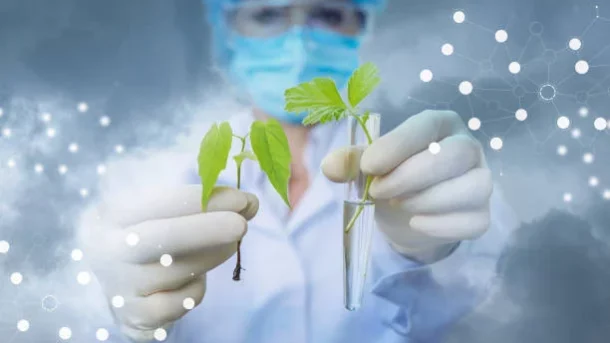
By providing new tools and procedures that improve agricultural production, sustainability, and product quality, biotechnology has the potential to have a large impact on the agricultural industry. The use of biotechnology in agriculture entails the genetic engineering and manipulation of livestock and crops to enhance desired qualities. A few potential effects of biotechnology on the agriculture market are listed below:

Increased Crop Yields: Genetically modified (GM) crops with better tolerance to pests, diseases, and unfavorable environmental conditions may be developed as a result of biotechnology. These crops have the potential to boost agricultural productivity overall and yield greater production levels.

Enhanced Pest and Disease Resistance: Plants can be genetically modified to incorporate features that give them a higher level of resistance to pests and diseases. As a result, farmers and the environment gain from a decrease in the demand for chemical pesticides.

Improved Crop Nutritional Content: By boosting the levels of vital vitamins and minerals in staple crops, for example, biotechnology can help combat hunger in disadvantaged communities.

Drought and Stress Tolerance: By using biotechnology’s, it is possible to create crops with enhanced resistance to drought and stress, enabling their production in marginal lands and areas with difficult environmental circumstances.

Reduced Environmental Impact: By lowering the need for chemical inputs, biotechnology can help create a more environmentally friendly agricultural system with fewer negative effects, such as less soil erosion and less pesticide use.

What are the key factors driving the demand for organic agricultural products?

organic agricultural

Recent years have seen a steady increase in the demand for organic agricultural goods, which is being fueled by a mix of consumer preferences, environmental concerns, health issues, and shifting market dynamics. The demand for organic products is rising as a result of several important factors, including:

Consumer awareness of the potential health dangers linked to synthetic chemicals and pesticides used in traditional agriculture is growing, raising questions about their safety and health. As they are produced without the use of synthetic pesticides, herbicides, and genetically modified organisms (GMOs), organic products are seen as safer and healthier.

Environmental Concerns: Customers are increasingly looking for organic goods due to worries about environmental sustainability and the effects of conventional agriculture on ecosystems, soil health, and water quality. Organic agricultural methods put an emphasis on preserving soil biodiversity and using fewer chemicals.

Food Quality and Nutritional Value: According to certain research, organic foods may contain more antioxidants and specific nutrients than foods cultivated conventionally. The belief that organic foods are of higher quality and nutritional worth may increase consumer demand for them.

Concerns regarding food safety have been raised by the use of antibiotics and growth hormones in conventional animal agriculture. These additives are not used in the production of organic animal products, such as organic meat and dairy, making them more appealing to consumers who are concerned about their health.

Natural and non-GMO foods are preferred by customers, therefore organic products are produced without the use of genetically modified organisms (GMOs), which is in line with their tastes.

How does the use of pesticides and herbicides affect agricultural market dynamics?

pesticides and herbicides

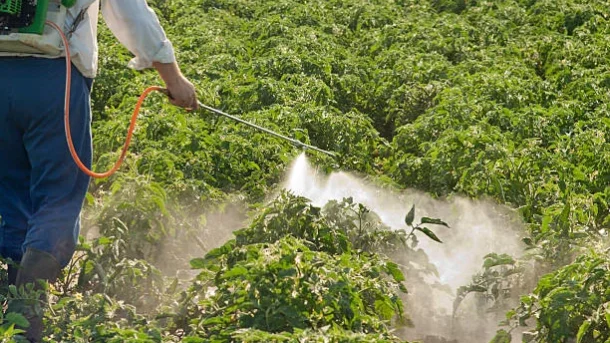
The dynamics of the agricultural market can be significantly impacted by the usage of pesticides and herbicides. While these pesticides are essential for boosting agricultural output by weeding and controlling pests, their use also has a number of market-related ramifications. The following are some ways that the usage of pesticides and herbicides impacts the dynamics of the agricultural market:

Higher Crop Yields: By helping to protect crops from pests and weeds, pesticides and herbicides can enhance crop yields and productivity. This production surplus has an impact on supply dynamics and market prices.

Price Stability: The use of pesticides and herbicides can help maintain prices in the agricultural market by decreasing crop losses brought on by weeds and pests. A consistent crop supply helps reduce price swings brought on by

Market Access and Export Possibilities: Agricultural products’ market access, particularly in international trade, can be improved through increased crop quality and decreased pest and weed contamination. Accessing international markets requires meeting strict quality standards.

Consumer Demand and Safety: Using pesticides and herbicide can cause consumers to worry about the safety of the food being produced. Growing customer preference for organic or pesticide-free goods could result from increased knowledge of pesticide residues, which would affect market demand.

Environmental Impact: Pesticides and herbicides can have harmful environmental effects, such as soil degradation, water pollution, and harm to organisms that aren’t their intended targets. Increasing consumer and market demand may be impacted by environmental challenges.

What is the role of agribusiness companies in the agricultural market?

agribusiness

Due to their involvement in many parts of the agricultural value chain, agribusiness enterprises are essential in the agricultural industry. These businesses operate at various stages, from input production and supply to agricultural product processing, distribution, and marketing. In the agriculture market, agribusiness enterprises play the following major roles:

Technology and Input Supply: Agribusines firms supply farmers with necessary inputs like seeds, fertilizer, insecticides, and agricultural equipment. Additionally, they make investments in R&D to create enhanced crop types and cutting-edge agricultural technologies.

Agribusiness firms provide farm management services to farmers, offering them agronomic guidance, soil testing, crop monitoring, and precision agriculture techniques to maximize output and resource efficiency.

Production and agro-processing: Agribusiness firms can either carry out their own agricultural production or hire farmers to grow their crops and rear their livestock. They also transform unprocessed agricultural materials into value-added goods including food, drinks, and biofuels.

Market Access and Distribution: Agribusiness firms are essential in bridging the gap between farmers and markets. They offer storage facilities, logistics, and distribution networks to make sure that agricultural products get to consumers quickly.

Agribusiness firms provide farmers with risk management tools, such as crop insurance and weather risk protection, to help them lessen the impact of unplanned events on their output and income.