soil organisms

How are digital platforms transforming the agricultural market?

digital platforms

By utilizing technology to establish new and effective connections between farmers, agribusinesses, and consumers, digital platforms are transforming the agricultural sector. These platforms revolutionize several facets of the agricultural industry using data analytics, cloud computing, mobile applications, and the Internet of Things (IoT). Here are some examples of how the agriculture market is being significantly altered by internet platforms:

Market Access and Direct Sales: By allowing farmers to communicate directly with buyers, processors, and consumers, digital platforms eliminate the need for middlemen. Through online markets and e-commerce platforms, farmers may advertise their goods, set pricing, and organize sales.

Supply Chain Transparency: By providing real-time information on the place of origin, the method of production, and the distribution of agricultural products, digital platforms improve supply chain transparency. The ability of consumers to track their food’s progress from the farm to the table encourages food safety and accountability.

Data-Driven Decision Making: Digital systems gather and examine a huge quantity of information on agriculture, including weather patterns, soil characteristics, and market trends. With the help of this data-driven methodology, farmers and agribusinesses may decide wisely about crop management, resource allocation, and marketing tactics.

Precision Agriculture: By using IoT devices, drones, and sensors to precisely monitor crop, soil, and weather conditions, digital platforms support precision agriculture operations. Through optimization, resources are used more effectively, yields are raised, and environmental impact is diminished.
What are the emerging technologies disrupting the agricultural market?

technologies disrupting

As technology develops, various new developments are upending the agricultural industry and transforming farming and agribusiness operations. These innovations are meant to increase agricultural productivity, sustainability, and effectiveness. The following are a few of the major new technologies disrupting the agriculture market:

Internet of Things (IoT): IoT devices and sensors are being used in agriculture to gather information on the health of crops, livestock behavior, weather patterns, and soil conditions. Real-time monitoring and data-driven decision-making are made possible by IoT, which optimizes resource consumption and boosts productivity.

Artificial intelligence (AI): Through data analytics, machine learning techniques, and predictive modeling, AI is revolutionizing the agricultural sector. Large datasets can be analyzed by AI to find patterns, forecast crop yields, plan planting times, and discover crop diseases.

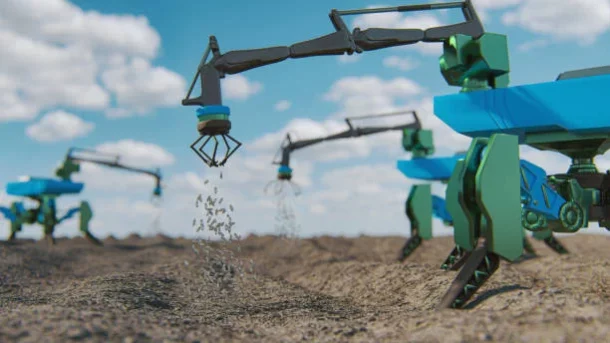
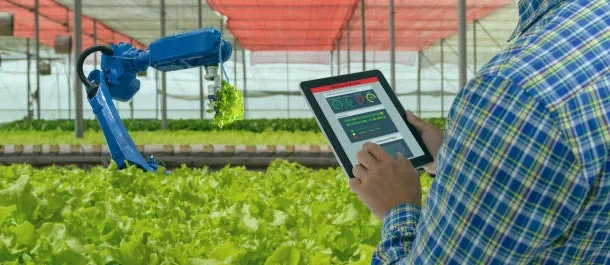
Automation and robotics in agriculture: Planting, harvesting, weeding, and spraying are just a few of the duties that agricultural robots are supposed to carry out. Automation lessens the demand for manual work, solves the manpower shortage, and improves farming operations’ precision.

Drones and UAVs: Drones with cameras and sensors are used to monitor crops, map them, and determine the health of the plants. They enable focused interventions and give farmers insightful information about the state of their land.

Utilizing blockchain technologies disrupting, supply networks in agriculture can be made transparent and traceable. It increases consumer trust and food safety by enabling them to confirm the place of origin and travel of agricultural products.

What are the current trends in sustainable agriculture within the market?

sustainable agriculture

Sustainable agriculture has been gaining traction as a prominent trend within the agricultural business as of my most recent report in September 2021. Growing awareness of environmental issues, climate change, and the need for responsible resource management are what are driving the focus on sustainable practices. I don’t have access to current data, however the following are some significant trends in sustainable agriculture:

Regenerative Agriculture: Through techniques like cover crops, decreased tillage, crop rotation, and integrated livestock management, regenerative agriculture places an emphasis on restoring soil health and biodiversity. It seeks to increase carbon sequestration, water retention, and soil fertility.

Precision Agriculture: To maximize resource utilization, precision agriculture integrates technology, data analytics, and remote sensing. Farmers collect data and apply inputs more effectively by using GPS, sensors, and drones, which minimizes waste and has a positive influence on the environment.

Climate-Smart Agriculture: Climate-smart agricultural methods put an emphasis on adjusting to and minimizing the consequences of climate change. This entails choosing agricultural varieties that are resistant to climate change, employing water-saving measures, and applying climate-friendly animal management.

Organic farming: Consumer desire for food that is free of chemicals, environmentally friendly, and socially responsible is what is driving this movement.

Agroforestry and silvopasture: By combining trees and shrubs with crops or livestock, agroforestry can conserve the land while also preserving biodiversity and generating additional income.

What role does technology play in the modern agricultural market?

modern agricultural market

The modern agricultural market is transformed by technology, which has completely changed how farming and agribusiness are performed. Agtech, or improvements in agricultural technology, has the potential to increase profitability, productivity, and sustainability in the industry. Here are a few crucial functions that technology has in the contemporary modern agricultural market:

Precision farming: To gather information on soil conditions, weather patterns, and crop health, precision farming uses technology like GPS, sensors, drones, and satellite photography. Farmers can optimize inputs like water, fertilizer, and pesticides thanks to this data-driven methodology, which leads to higher yields and less resource waste.

Internet of Things (IoT): IoT devices are being used more frequently in agriculture to monitor and manage a variety of operations, from animal health monitoring to irrigation and temperature control. Real-time data collecting is made possible by IoT, which improves productivity and decision-making.

Data analytics and artificial intelligence (AI): By processing enormous amounts of agricultural data, data analytics and AI technologies support farmers in making data-driven decisions. In order to forecast crop yields, spot disease outbreaks, optimize planting times, and better manage farm operations, machine learning algorithms may analyze data from numerous sources.

Automation and robotics in agriculture: Planting, harvesting, weeding, and pruning are just a few of the jobs that agricultural robots are made to do. Automation eliminates the need for human work, boosts productivity, and can help with the agricultural industry’s labor issue.

 How can agri-robotics assist in soil sampling and analysis?

agri-robotics

By automating and improving the procedure, agri-robotics can play a crucial role in soil sampling and analysis. How agri-robotics can help with soil collection and analysis is as follows:

Precision sampling instruments can be fitted on agricultural robots to enable systematic and standardized collection of soil samples. Using GPS or other positioning technologies, these robots may move around fields while adhering to pre-established sample patterns. The capacity to take samples at specified depths and locations guarantees accurate and representative soil data for examination.

High-volume sampling: Agri-robots are capable of collecting a lot of soil samples fast and effectively. They can collect samples across large regions of land while requiring less time and labor than manual sampling does. This capacity for high-volume sampling allows for greater.

Real-time data gathering: Agri-robots can be fitted with sensors and tools to capture data in real-time while collecting soil. These sensors can gauge many aspects of the soil, including its pH, nutrient content, organic matter concentration, moisture content, and compaction. Robotic data collection allows for fast feedback on the state of the soil, allowing farmers to make informed decisions about best methods for soil management.

Agri-robots can use remote sensing and imaging techniques, such as multispectral or hyperspectral imaging, to evaluate soil properties. These sensors are able to take precise photographs of the soil’s surface and identify changes in the soil’s organic matter distribution, moisture level, or composition. The use of remote sensing and imaging technologies allows for specialized soil management practices and important insights into the health of the soil.

How can smart irrigation systems conserve water in horticulture?

smart irrigation systems

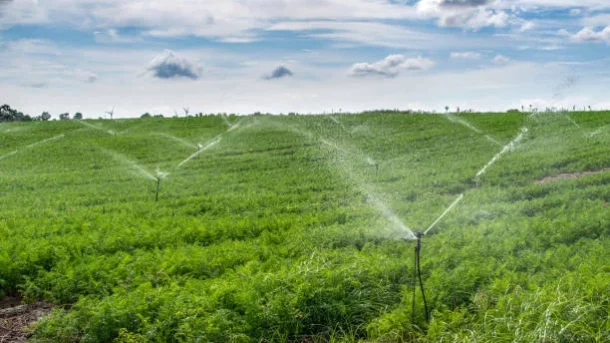
By streamlining irrigation procedures and minimizing water waste, smart irrigation systems are essential to the conservation of water in horticulture. Here are some ways that intelligent irrigation systems help to conserve water:

Monitoring soil moisture: Smart irrigation systems use soil moisture sensors to gauge the amount of moisture present in the plant roots. By providing real-time information on soil moisture levels, these sensors enable irrigation to be planned based on actual plant requirements rather than a predetermined schedule. Water is conserved and overwatering is reduced by making sure irrigation is used only as needed.

Weather-based irrigation scheduling: Smart irrigation systems include weather information into their irrigation plans, such as temperature, humidity, rainfall, and evapotranspiration rates. The systems modify irrigation volumes and frequencies based on the current weather and evapotranspiration rates.

Irrigation activities are controlled automatically by smart irrigation systems using sensor data and pre-set parameters. They can be programmed to turn on irrigation at particular times of the day, like early in the morning or late at night, when water loss from evaporation is at a minimum. Automation makes personal intervention unnecessary and guarantees that irrigation is always set to maximize water efficiency.

Smart irrigation system can be used with precision irrigation methods as drip irrigation, micro-sprinklers, or precision sprinklers. These methods minimize water loss from evaporation or runoff by delivering water directly to the root zone of plants. These technologies optimize water consumption, eliminate water waste, and boost water efficiency in agricultural operations by accurately directing water application.

What are the benefits of using microbial biopesticides in crop protection?

microbial biopesticides in crop protection

When compared to traditional chemical pesticides, the use of microbial biopesticides in crop protection has a number of advantages. The following are the main benefits of utilizing microbial biopesticides:

Environmentally friendly: Microbial biopesticides come from microorganisms that are found in nature, including bacteria, fungus, viruses, and protozoa. The environment and non-target creatures, such as helpful insects, pollinators, and wildlife, are not at significant risk from them. Microbial biopesticides degrade more quickly than chemical pesticides, which lessens their permanence in the environment and lowers the chance of water and soil pollution.

Control with a specific target in mind: microbial biopesticides in crop protectionmicrobial biopesticides in crop protection are extremely selective in their activity, concentrating on a single pathogen or pest while sparing the healthful organisms. The natural predators, pollinators, and other beneficial insects that support ecological balance are preserved because to this uniqueness. Keeping the natural ecology as little disturbed as possible.

Reduced danger of resistance development: When compared to chemical pesticides, microbial biopesticides pose a lesser chance of insect resistance emergence. Because microorganisms frequently possess many modes of operation, it is challenging for pests to evolve resistance. The likelihood of resistance developing can be further decreased and the efficacy of biopesticides can be maintained for extended periods of time by using them alternately or in combination with other control strategies.

Pre-harvest intervals (PHIs) for microbial biopesticides are often shorter than those for chemical pesticides. As a result, there is less time between application and harvest, giving pest control more flexibility and lowering the possibility of residue violations. Closer to harvest, farmers have more control over pest outbreaks thanks to short PHIs.

 How can the application of nanofertilizers enhance nutrient uptake by plants?

plants

Through a number of ways, the use of nanofertilizers can improve plants’ ability to absorb nutrients. The following are a few methods that nanofertilizers can enhance nutrient uptake:

Increased nutritional availability: Nanofertilizers are made to give nutrients in tiny, high surface area-to-volume ratio particles that are nanoscale in size. Better contact and interaction between the fertilizer particles and the plant roots are made possible by the expanded surface area. As a result, nutrients are more easily accessible for the roots to absorb, increasing the effectiveness of nutrient absorption.

Release of nutrients under control: Nanofertilizers with controlled-release capabilities can be created. The release of nutrients can be controlled over an extended length of time by encapsulating them within nanoscale coatings or matrices. By matching fertilizer availability to plant demand, this controlled release prevents nutrient leaching and minimizes losses.

Increased nutrient solubility: Some nutrients, like phosphorus, might not be as soluble in soil as others. Through the formation of nano-sized particles or complexes that are more soluble and readily available to plant roots, nanofertilizers can increase the solubility of these nutrients. Even in soils with low nutrient availability, this solubility improvement enables plants to absorb vital elements more effectively.

Targeting of nutrients is improved thanks to the functionalization or modification of nanofertilizers. Enhancing the affinity of nanofertilizers for particular root absorption processes or specific nutrient transporters is possible by functionalization with particular compounds or ligands. This focused administration improves fertilizer uptake effectiveness and lowers nutrient losses to the surrounding soil.

 How does variable rate technology optimize fertilizer application?

variable rate technology

By precisely adjusting the rate of fertilizer delivery to the unique requirements of various sections within a field, variable rate technology (VRT) improves fertilizer application. The advantages of VRT for optimizing fertilizer application are as follows:

Site-specific management: To develop a thorough understanding of field variability, VRT uses data from a variety of sources, including yield maps, soil sample, remote sensing, and soil maps. Based on the soil fertility, nutrient levels, crop requirements, and other criteria, this data is utilized to create prescription maps that designate several zones or management units within the field.

Application rates that are specifically tailored to each management unit are made possible by variable rate technology technology using prescription maps. Higher fertilizer application rates are used in areas with greater nutrient requirements or deficits.

Increased nutrient use efficiency: VRT maximizes nutrient use efficiency by applying fertilizers in accordance with the unique nutrient requirements of various regions. When nutrients are applied where they are most required, overapplication and nutrient loss to the environment are minimized. This effective fertilizer use increases crop uptake, enhances nutrient balance, and reduces the negative environmental effects of excessive fertilizer application.

Cost reductions: By lowering fertilizer waste, VRT can result in cost savings. Precision fertilizer application eliminates overapplication in areas with adequate nutrition levels, reducing wasteful input expenditures. Farmers may cut fertilizer costs, apply nutrients just where they are needed, and increase overall profitability by using resources efficiently.

How can agroecology contribute to sustainable agriculture?

agroecology

As an ecological method of farming, agroecology makes numerous contributions to sustainable agriculture. The following are some ways that agroecology might support sustainable agriculture:

Conservation of biodiversity: Agroecology highlights the significance of biodiversity in farming systems. Agroecology aids in biodiversity preservation by encouraging different cropping systems, crop rotations, intercropping, and the preservation of natural habitats on and around farms. Maintaining biodiversity promotes the health of ecosystems generally and the resilience of beneficial insects, pollinators, and natural pest control.

Agroecologies promotes soil health and fertility through techniques including the integration of organic matter, cover crops, crop rotation, and reduced tillage. Through these techniques, soil structure is improved, organic matter content is raised, water infiltration is improved, and erosion is decreased. Long-term production is increased by nutrient availability to plants and nutrient cycling in healthy soils.

Conservation of natural resources: Agroecology encourages the effective and sustainable use of resources such as water and energy. Water conservation strategies include rainwater collection, agroforestry systems that improve water retention and lessen runoff, and water-saving irrigation techniques. To reduce the carbon footprint of agricultural operations, agroecologies also promotes the use of renewable energy sources and energy-efficient practices.

Reduction of synthetic chemical inputs, such as pesticides and fertilizers: Agroecology encourages the reduction and prudent use of synthetic chemical inputs. Agroecology reduces dependency on chemical pesticides by applying ecological pest management techniques like biological control, crop rotation, and habitat diversification. The requirement for synthetic fertilizers is further lessened by techniques like organic fertilization, nutrient recycling, and nitrogen-fixing cover crops.