Support for Policy: Governments are creating and putting into effect policies that support climate-smart agriculture. For farmers who embrace sustainable methods, these policies may include financial incentives, subsidies, and tax exemptions. Regulations to promote sustainable land management and cut back on greenhouse gas emissions from agriculture may also be included.
Finance and Investment: To promote the adoption of climate-smart agricultural practices, governments and organizations offer financial assistance through grants, loans, and investment funds. The implementation of sustainable farming methods, capacity building, infrastructure enhancement, and research and development are all possible uses for these funding.
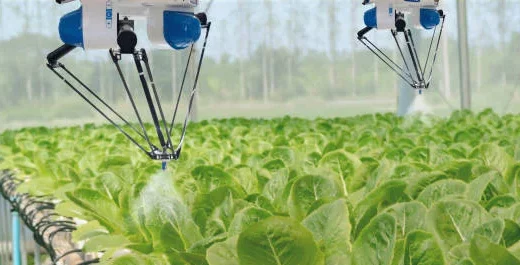
Research and Development (R&D): To improve climate-smart farming practices, governments and organizations invest in R&D. This involves supporting academic research, creative initiatives, and technical advancements that aim to increase agricultural productivity while reducing environmental effect. Additionally, research and development projects can focus on creating irrigation systems that are effective and sustainable farming practices.
Knowledge Sharing and Capacity Building: To promote climate-smart agriculture, governments and organizations enable knowledge sharing among farmers, researchers, and extension agencies. To spread knowledge about sustainable agricultural methods, conservation measures, and climate adaption tactics, this involves setting up workshops, training programs, and demonstration farms.