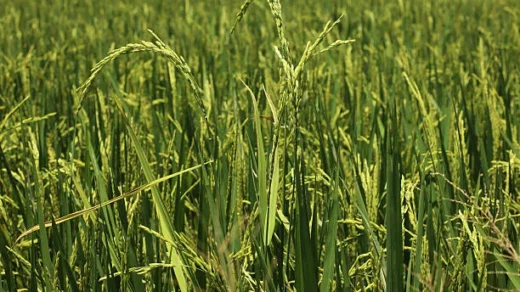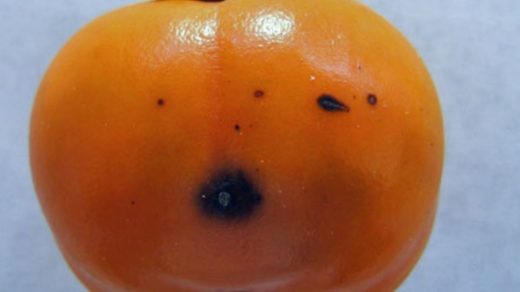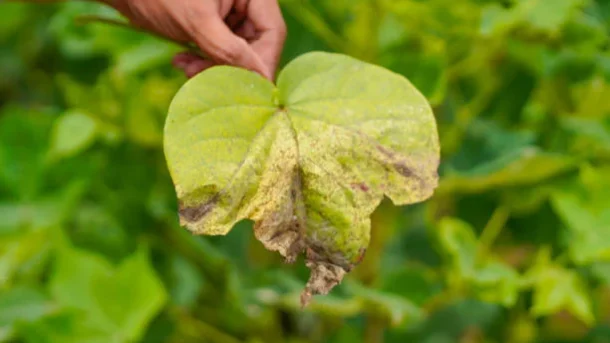
By utilizing cutting-edge technologies and data analysis methodologies, AI can dramatically improve the detection of pest and disease in crops. Here are a few ways that AI might enhance the identification of pests and diseases:
Images of crops, leaves, or fruits taken by cameras or drones can be analyzed by AI algorithms using image recognition and computer vision techniques. Machine learning approaches can find patterns and traits linked to numerous pests and diseases by training AI models on a large dataset of photos. By using visual indicators like leaf yellowing, lesions, or pest presence, this enables automatic and precise detection of certain pest and disease.
Analysis of Sensor Data: AI is capable of processing information gathered from a variety of sensors, including spectral, humidity, and temperature sensors. By comparing sensor values to known disease or pest sources.
Data fusion and integration: To increase the precision of disease and pest identification, AI may combine data from various sources, such as imaging, weather data, history records, and pest monitoring data. Artificial intelligence (AI) algorithms are able to distinguish between normal crop fluctuations and aberrant conditions brought on by pests or illnesses by merging data from several sources to find subtle patterns, recognize temporal trends, and identify patterns.
Early Warning Systems: AI is capable of creating early warning systems for outbreaks of pests and diseases. AI algorithms can forecast the possibility of pest or disease incidence by continuously monitoring and evaluating numerous data streams, including weather patterns, pest life cycles, and plant health indicators. This makes it possible for farmers to take preventative action to lessen or prevent harm, such as targeted spraying, biological management, or the use of pest-resistant crop varieties.