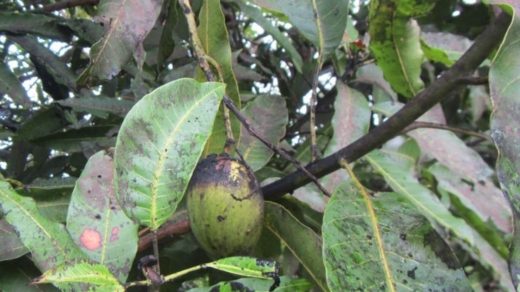
Crop losses: By destroying plants, lowering yields, and lowering the quality of agricultural products, pest and disease can result in significant crop losses. Without sound management techniques, diseases and pests can spread quickly and significantly lower crop output. As a result, farmers may suffer financial losses, food shortages, and disruptions in the flow of agricultural products.
Pests and illnesses can reduce crop quality, making agricultural produce unfit for consumption or depressing its market value. Crops that have been infested may have physical flaws, color changes, blemishes, or interior damage, which makes them less marketable and unattractive to consumers. Farmers may suffer financial losses as a result, and their access to markets with greater prices may be restricted.
Increased dependency on pesticides: Farmers may turn to excessive and careless use of chemical pesticides in the absence of efficient pest and disease management techniques. Pesticide overuse can have detrimental effects on the environment, creatures that are not intended targets, the development of pesticide resistance in pests, and the health of humans. Additionally, it may raise farmers’ production costs and reduce their profitability.
Reduced resistance to climate change: The dynamics of pests and diseases can change as a result of climate change, encouraging the spread of some pests or introducing new pests and diseases into agricultural systems. Crops are more susceptible to the effects of climate change as a result of poor pest and disease management, which also hinders their capacity to adapt to and endure changing weather circumstances. The livelihoods of farmers as well as agricultural productivity may be further threatened.