Farm animal welfare is becoming more and more important, and the agriculture industry is taking action to address this problem. The industry is tackling farm animal welfare in the following ways:
Standards and rules for Animal care: For agricultural animals, many nations and areas have set standards and rules for animal care. To protect the welfare of the animals, these rules specify the minimal conditions for housing, handling, transportation, and slaughter. They offer a framework for farmers to adhere to and are frequently based on best practices and scholarly research.
Animal Welfare Certification and Labelling: A number of certification and labelling programmes have been created to inform customers about the welfare of farm animals. These programmes evaluate and confirm if certain standards for animal care are met or surpassed.
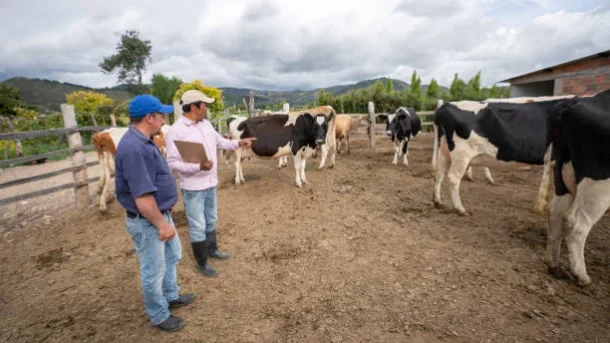
Farm Animal Health and medical Care: Two crucial components of farm animal welfare are ensuring good animal health and offering proper medical care. In order to monitor the health and wellbeing of their animals, run vaccination programmes, control disease, and address any injuries or health issues as soon as they arise, farmers closely collaborate with veterinarians. Preventive care and routine veterinarian exams help to uphold high welfare standards.
Housing and Living Conditions: It’s important to provide suitable housing and living conditions for farm animals. Improvements are being made to housing systems to give animals more room, cozy places to relax, good ventilation, and access to clean water and nourishing food. Systems that aim to improve animal welfare include free-range poultry systems, group housing for pigs, and enriched cages for laying hens.