Lack of information: Farmers frequently do not have access to timely and accurate information on market trends, supply-demand dynamics, and price swings. For small-scale farmers specifically, access to market data, particularly pricing, may be restricted. As a result, they are more vulnerable to market uncertainties since they are unable to make educated decisions about what and how much to produce.
Having little negotiating power: Farmers, particularly smallholder farmers, frequently have little negotiating strength. When bargaining prices with brokers, processors, or customers, they can be at a disadvantage. Due to this, farmers may be paid less for their produce than it is actually worth, which can be considered unjust and exploitative pricing. Having less negotiating leverage makes it more difficult to manage price swings and market uncertainty.
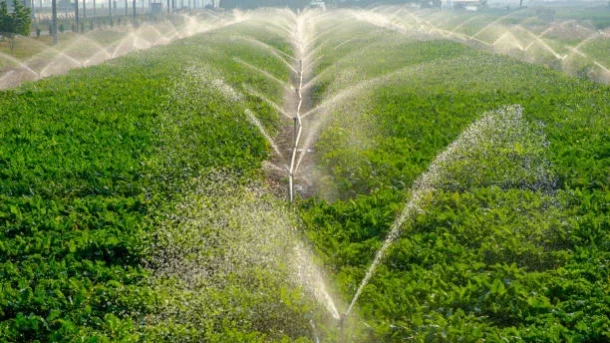
Limited irrigation options and agricultural diversification: The range of crops that can be grown is constrained by a lack of adequate irrigation. Fruits, vegetables, and cash crops are just a few examples of high-value crops that have greater water needs and can’t survive without irrigation. Farmers may be restricted to rain-fed agriculture, which frequently forces them to cultivate low-value or subsistence crops, if they lack access to dependable water sources. A lack of irrigation systems hinders agricultural diversification and reduces farmers’ potential revenue and market resilience.
Reduced soil fertility and salinization: Improperly managed irrigation can cause the degradation of the soil. Farmers frequently use illegal methods to take water from groundwater sources in places with little access to irrigation systems.