Applications for smart farming are a major factor in improving food traceability throughout the agricultural supply chain. Smart farming makes ensuring there is transparency and traceability from farm to fork by utilising a variety of technologies and data-driven solutions. For food traceability, the following smart farming applications are used.
IoT Sensors and RFID Tags: Throughout the supply chain, different parameters are tracked and monitored using Internet of Things (IoT) sensors and Radio Frequency Identification (RFID) tags. To gather information on temperature, humidity, soil moisture, and pesticide use, IoT sensors can be installed in fields and farms. To track the movement and status of individual products as they travel through the supply chain, such as crates or pallets, RFID tags are affixed to them.
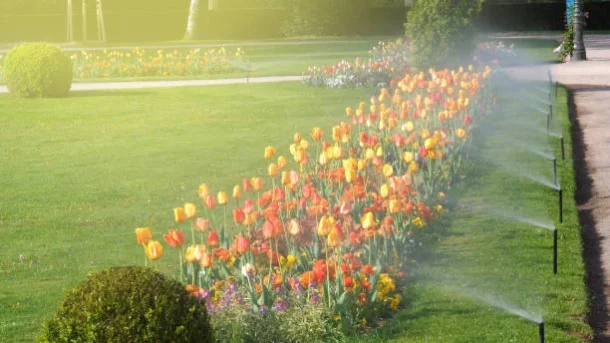
Automated Decision-Making: Algorithms for automated decision-making decide when and how much water should be applied to the crops based on the data that has been analysed. To optimise irrigation scheduling and reduce water waste, these algorithms take into account elements including soil moisture levels, crop water requirements, weather forecasts, and historical data.
IoT technology allows for the remote monitoring and management of irrigation systems. Through web-based or mobile applications, farmers and agronomists can access real-time data and manage irrigation settings. This enables the system’s performance to be monitored, watering schedules to be modified, and irrigation equipment to be remotely turned on or off as required.