Utilising blockchain and satellite technology, every transaction and movement of food products from their point of origin to their final destination is tracked in a transparent and immutable ledger. A safe and auditable record of the product’s journey is ensured by the ability of every stakeholder in the supply chain, including farmers, processors, distributors, and retailers, to submit data into the blockchain.
Through the provision of a decentralised and tamper-proof system for tracking and confirming the authenticity and integrity of food products and this technology facilitates traceability.
QR codes and barcodes are frequently used on food packaging to give consumers access to thorough information on the product’s origin and manufacturing processes, and supply chain trip. Consumers can track the merchandise by using a smartphone to scan these codes.
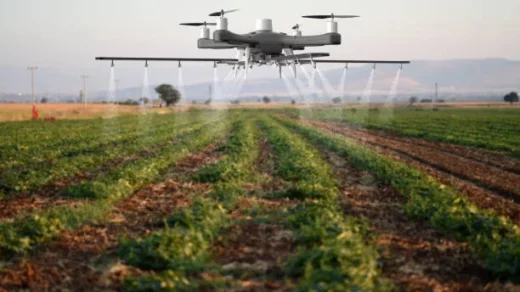
Satellite remote sensing data is critical for monitoring soil, drought and snow cover, and crop development. Satellite rainfall estimates, for example, assist farmers in planning the quantity and timing of irrigation required for their crops.
For example, weather forecasting enables you to properly plan your farm operations, such as planting, irrigation, fertilizer application, pruning/weeding, harvesting or livestock mating and since farming and agriculture as a whole chiefly depend on seasons and weather.